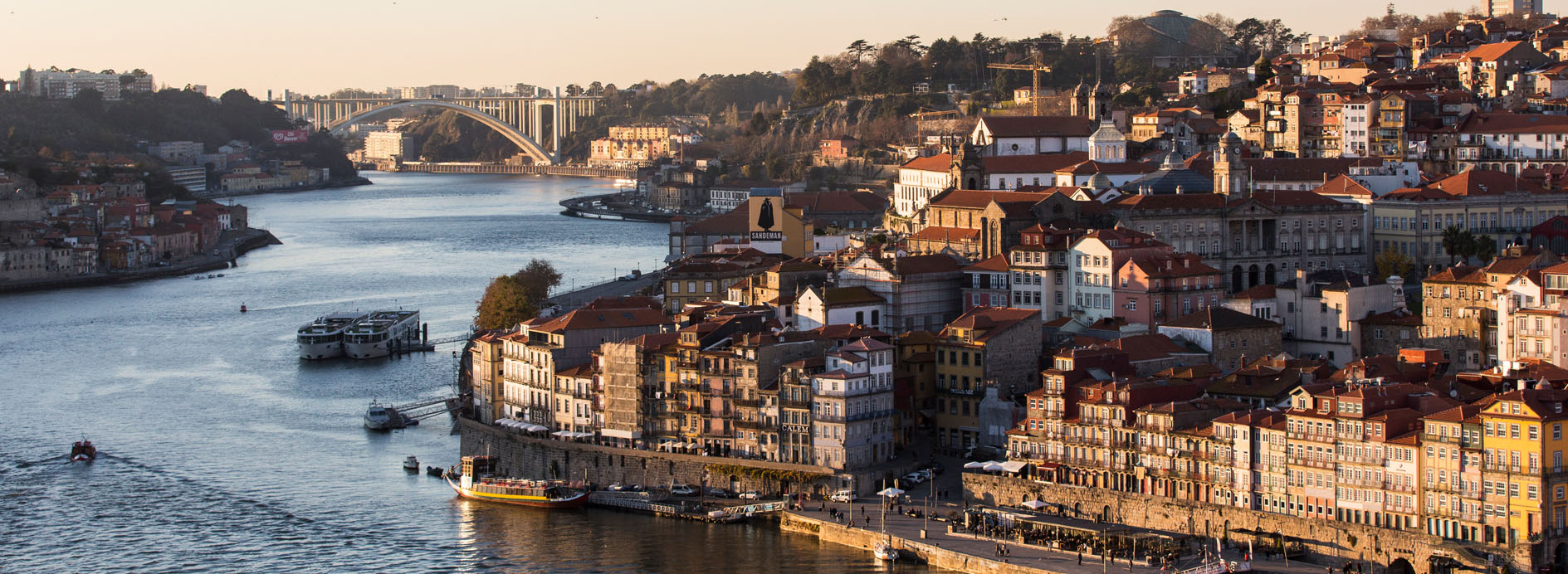
Day Trips from Porto
Culture
What to Do
The Best Day Trips from Porto
Porto is one of the most enchanting cities in Portugal, but did you know it’s also the perfect starting point to explore the North of the country? By train, bus, or on organised tours, you can visit historic cities, picturesque towns, stunning beaches, and world-famous vineyards – all without needing a car.
In this article, we’ve gathered 9 day trips from Porto that bring together culture, gastronomy, and breathtaking scenery.
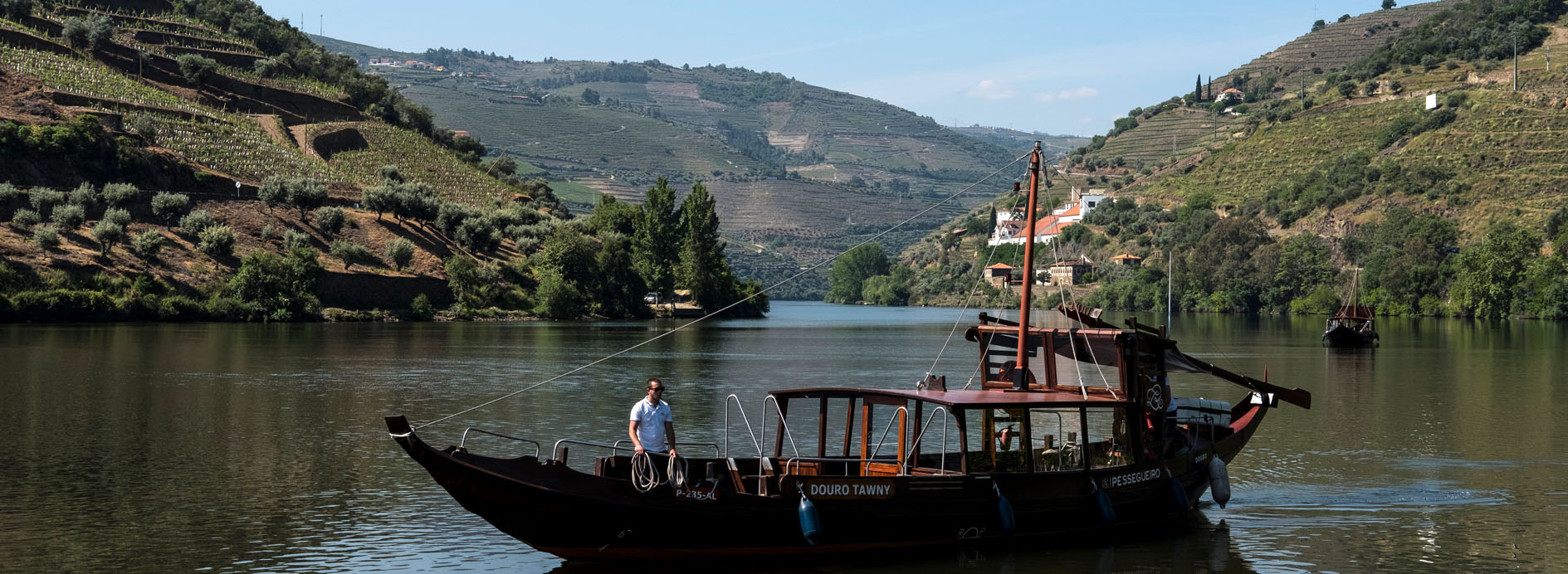
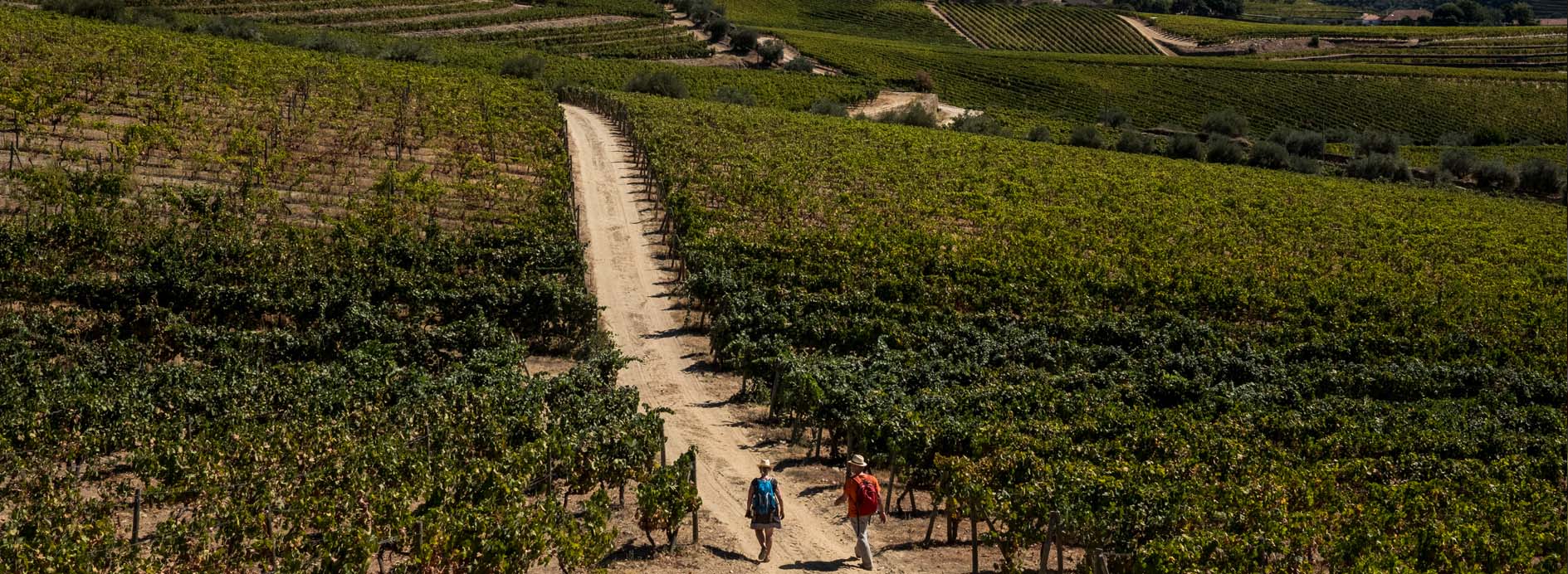

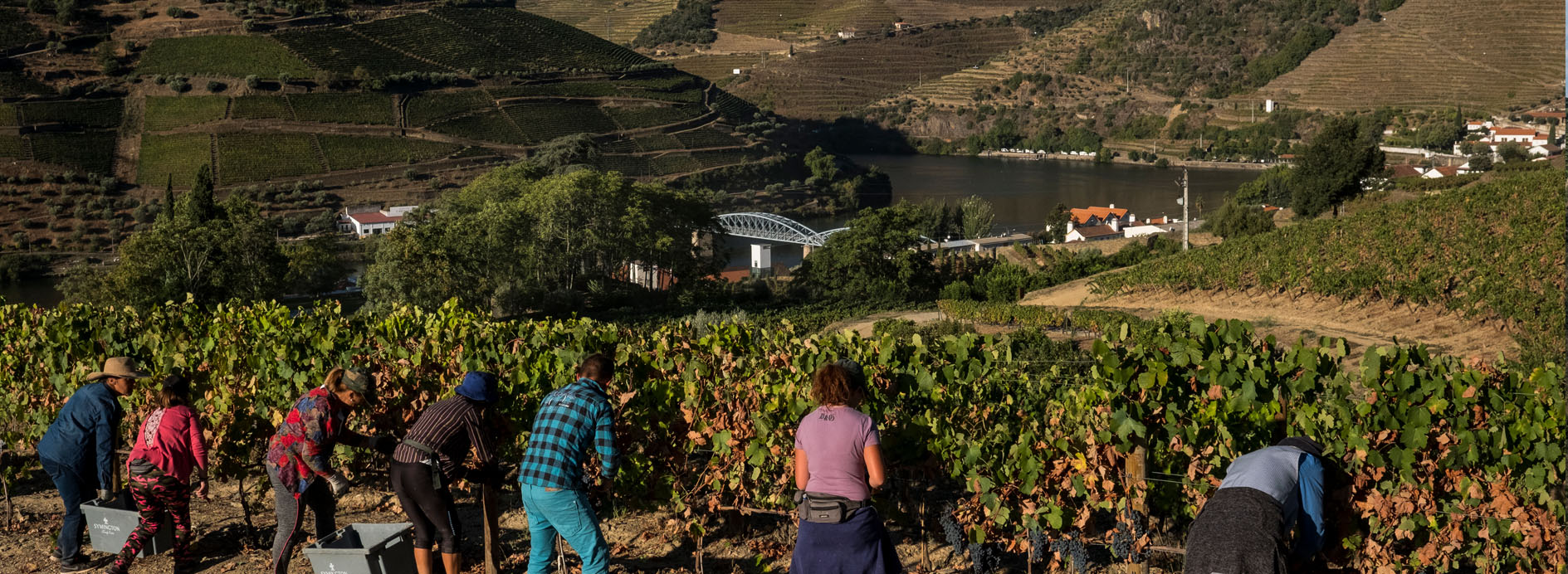
Douro Valley – Vineyards, River Cruises and Port Wine
The Douro Valley is one of the world’s oldest wine regions and a UNESCO World Heritage Site. Known for its terraced vineyards, breathtaking landscapes, and traditional estates, the Douro is perfect for those seeking an authentic experience. You can easily reach Régua or Pinhão by train and enjoy a panoramic journey along the river.
Book your day trip and other experiences here!
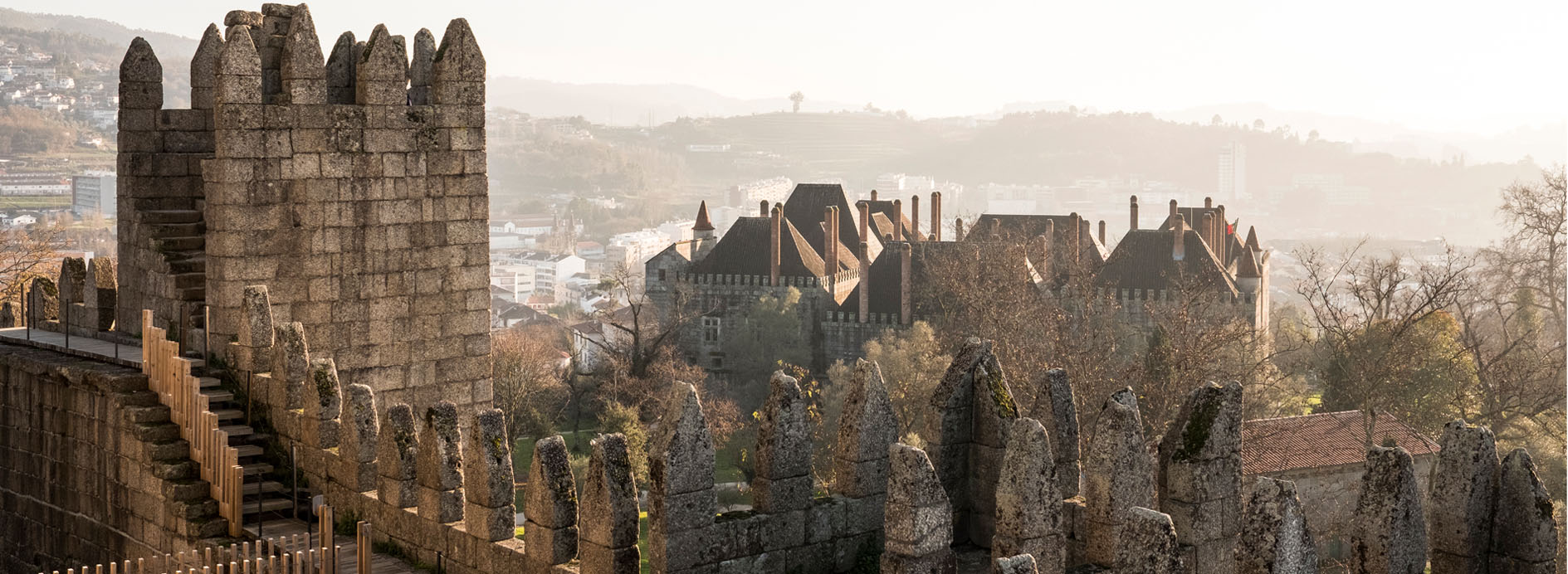
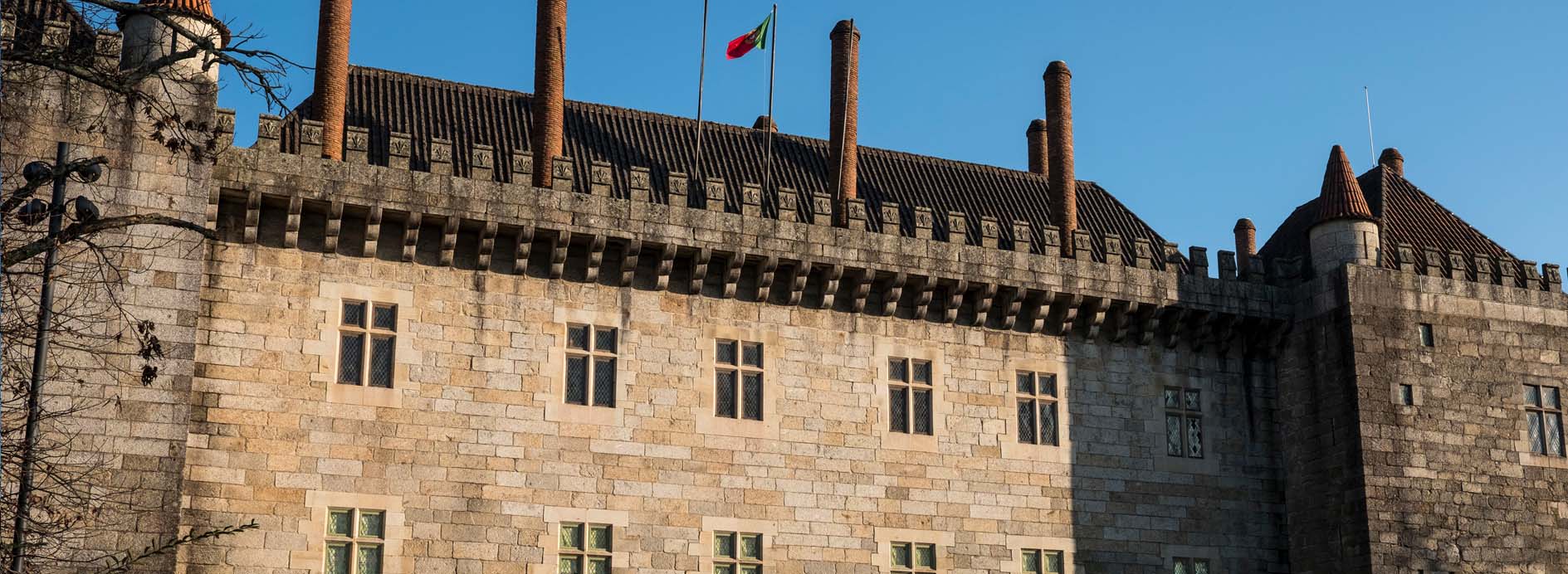
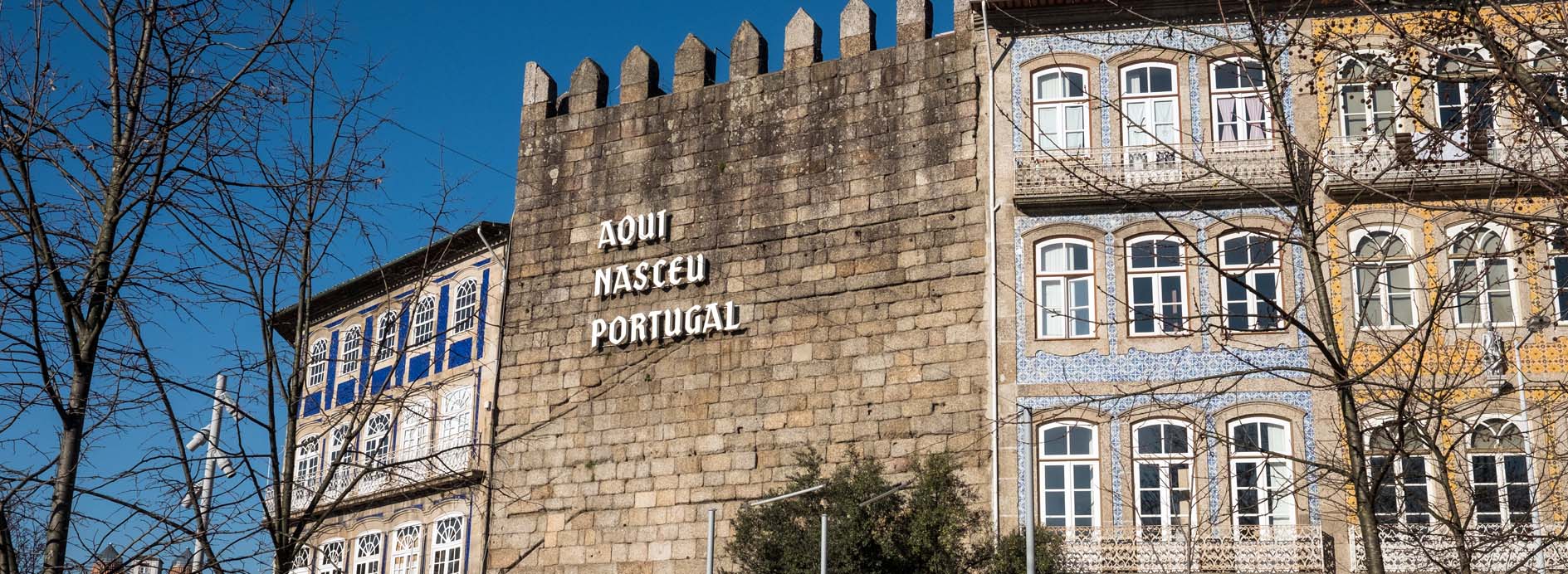
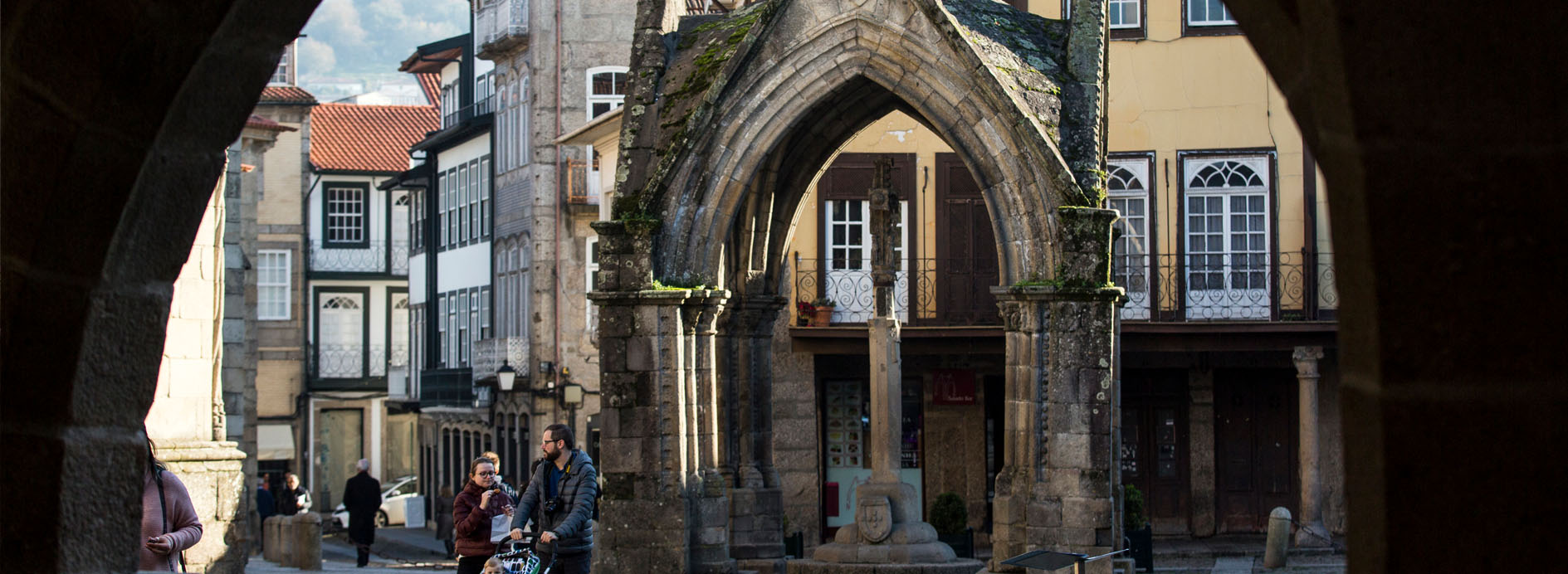
Guimarães – The Cradle of Portugal
Guimarães is often considered the birthplace of Portugal. Its historic centre, a UNESCO World Heritage Site, invites visitors on a journey back in time with cobbled streets, charming squares, and medieval landmarks.

Braga – Spirituality and Tradition
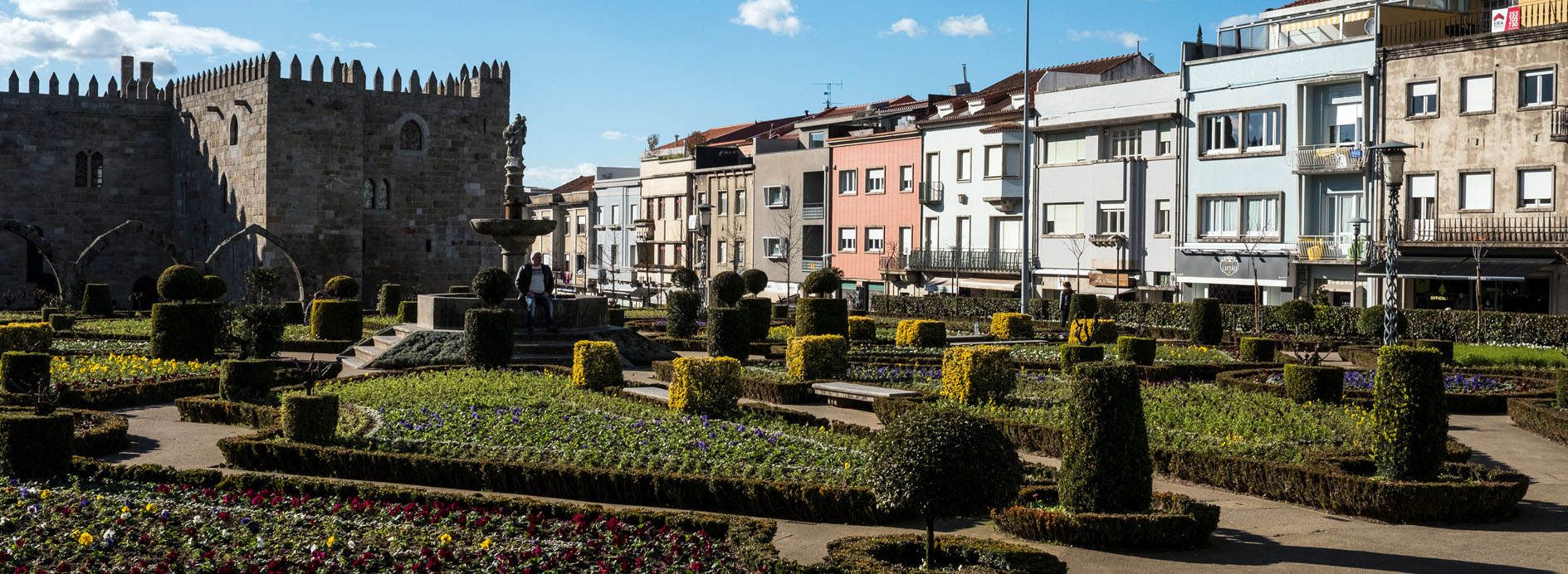
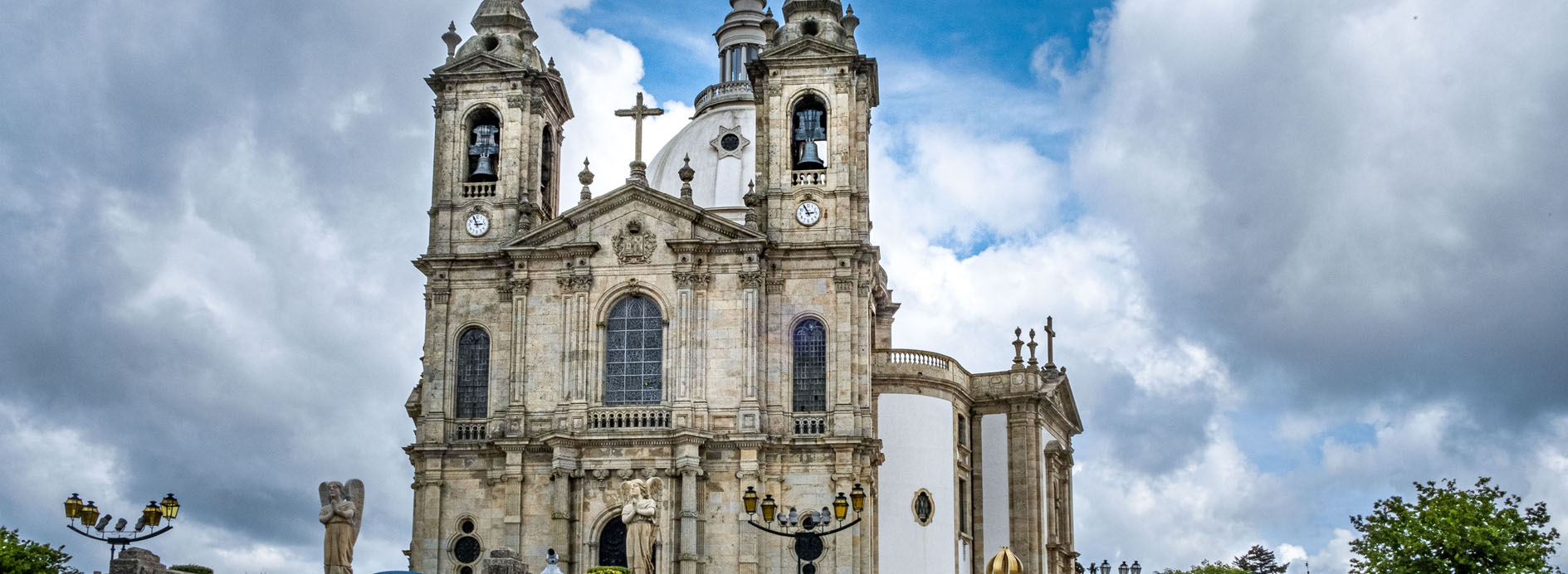
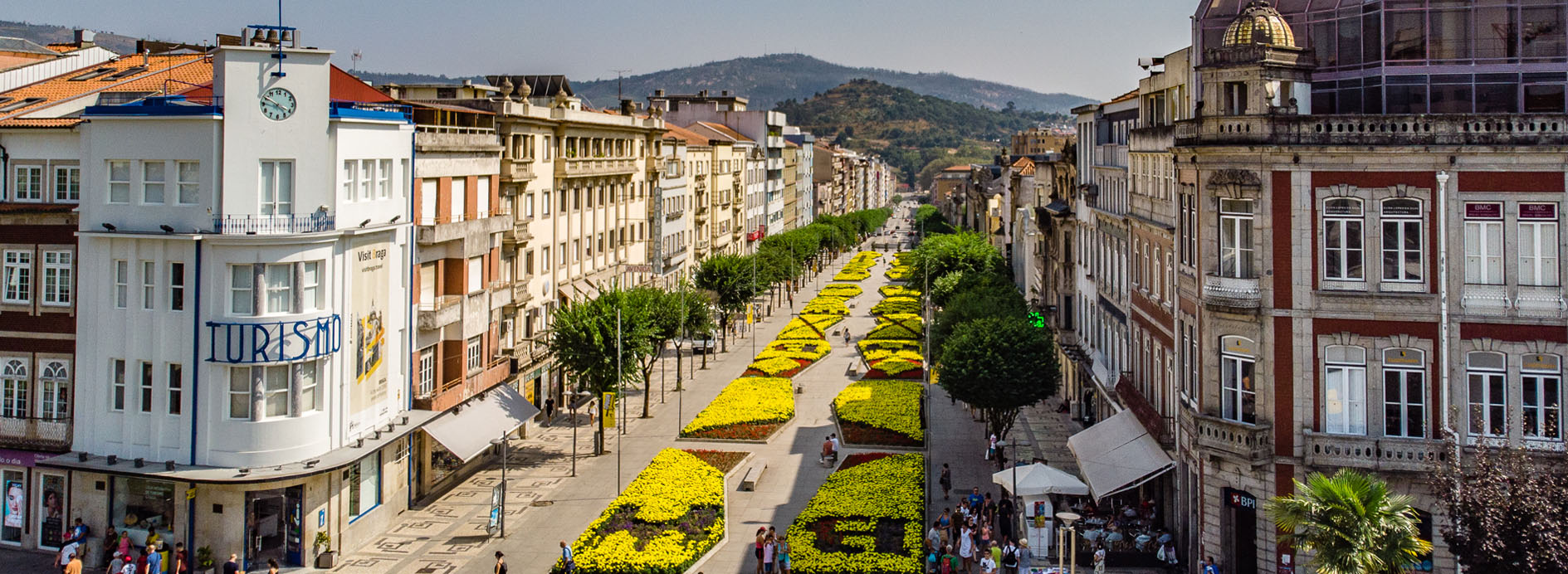
Braga is one of the oldest cities in Portugal, steeped in history and spirituality. Famous for its churches and the Sanctuary of Bom Jesus do Monte — a UNESCO World Heritage Site — Braga blends tradition with modernity. The Braga Cathedral, the oldest in the country, stands as a testament to its rich religious legacy.
But Braga is not only about the past: it is also a young, vibrant city with a lively university atmosphere, bustling squares, and charming gardens such as Santa Bárbara.
Book your day trip and other experiences here!
Matosinhos – Sea, Fresh Fish and Surf
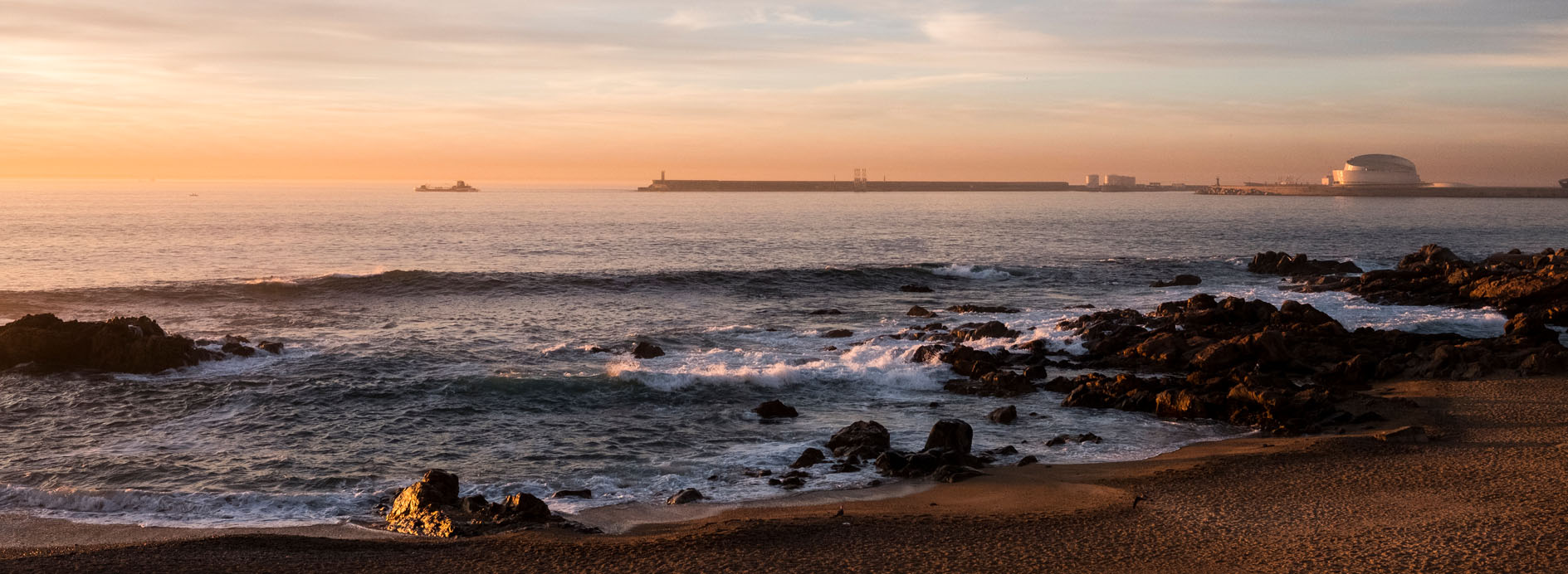
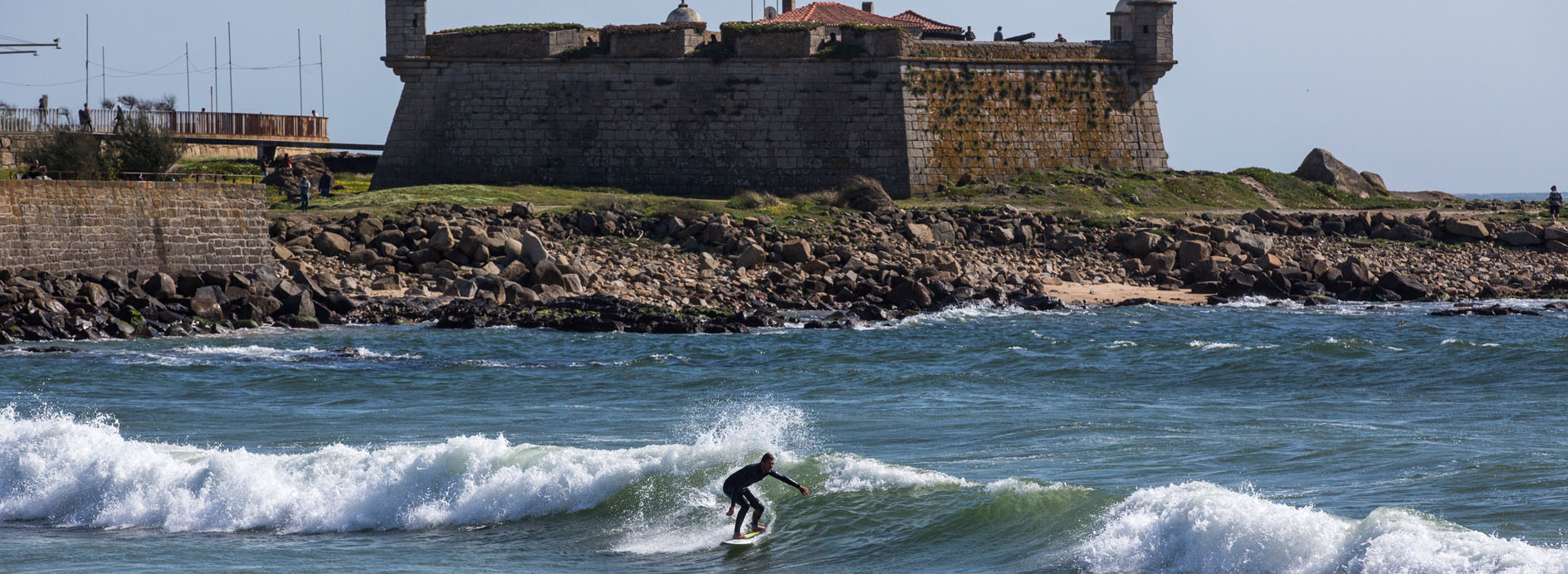
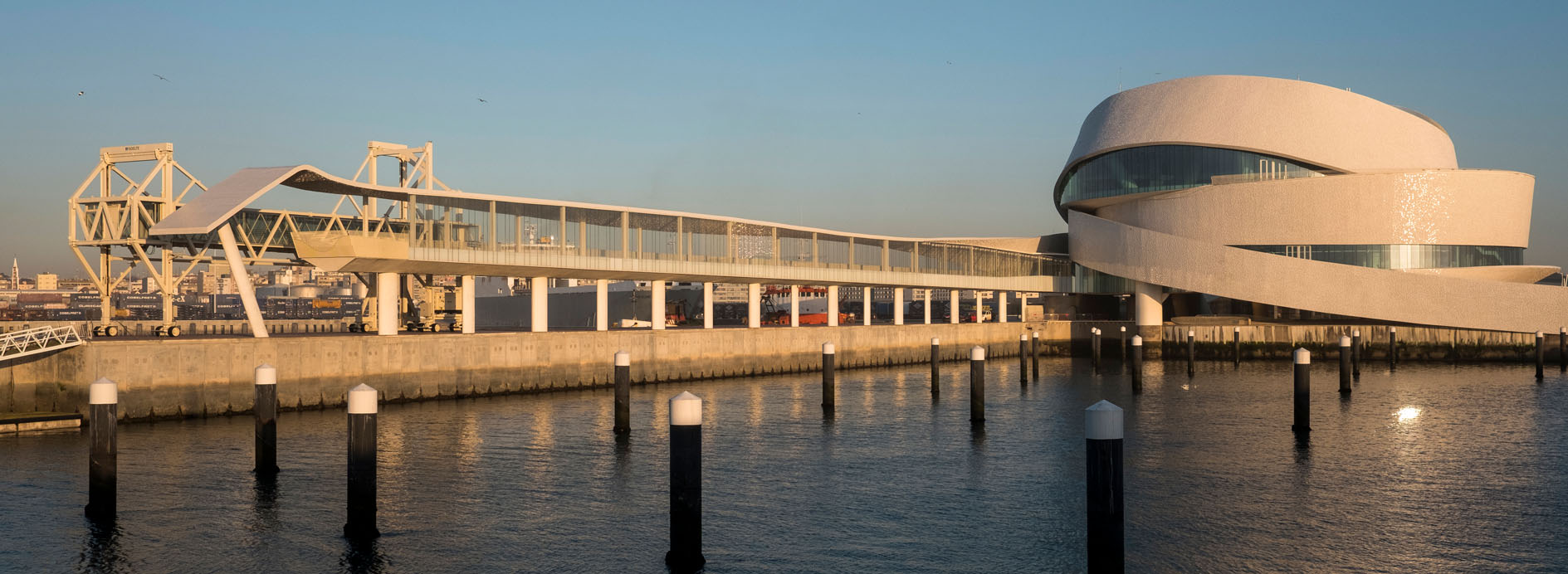
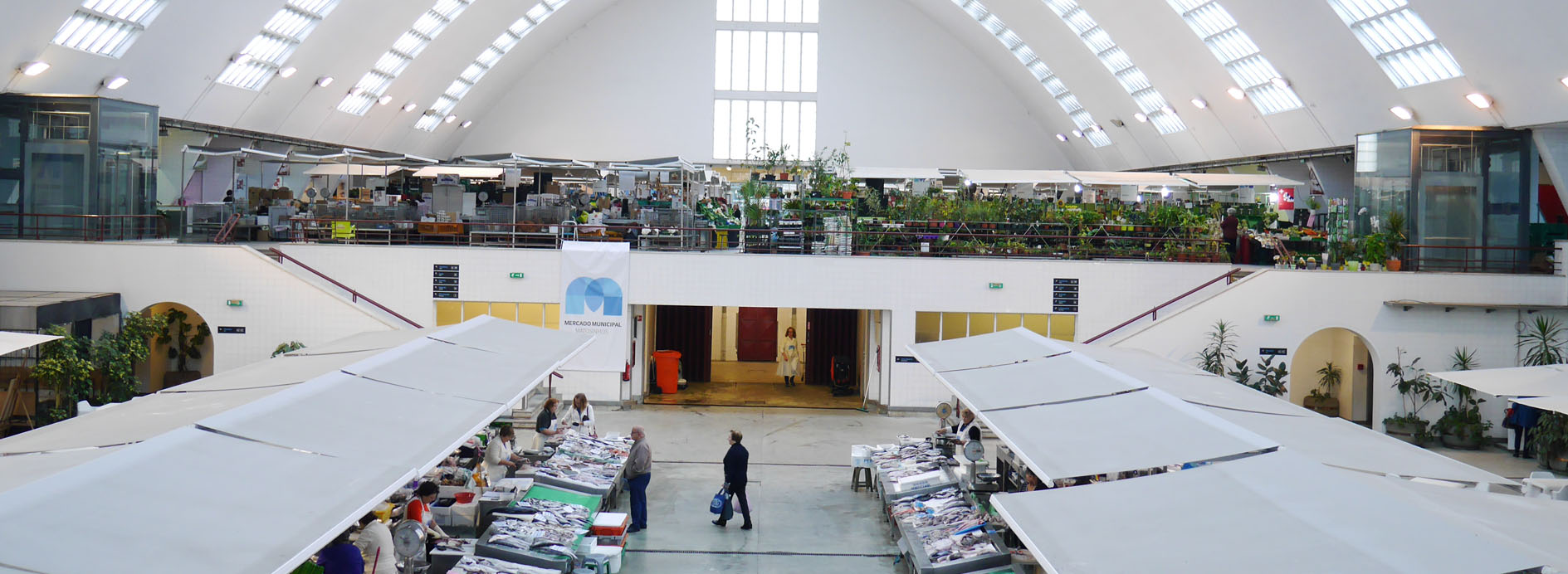
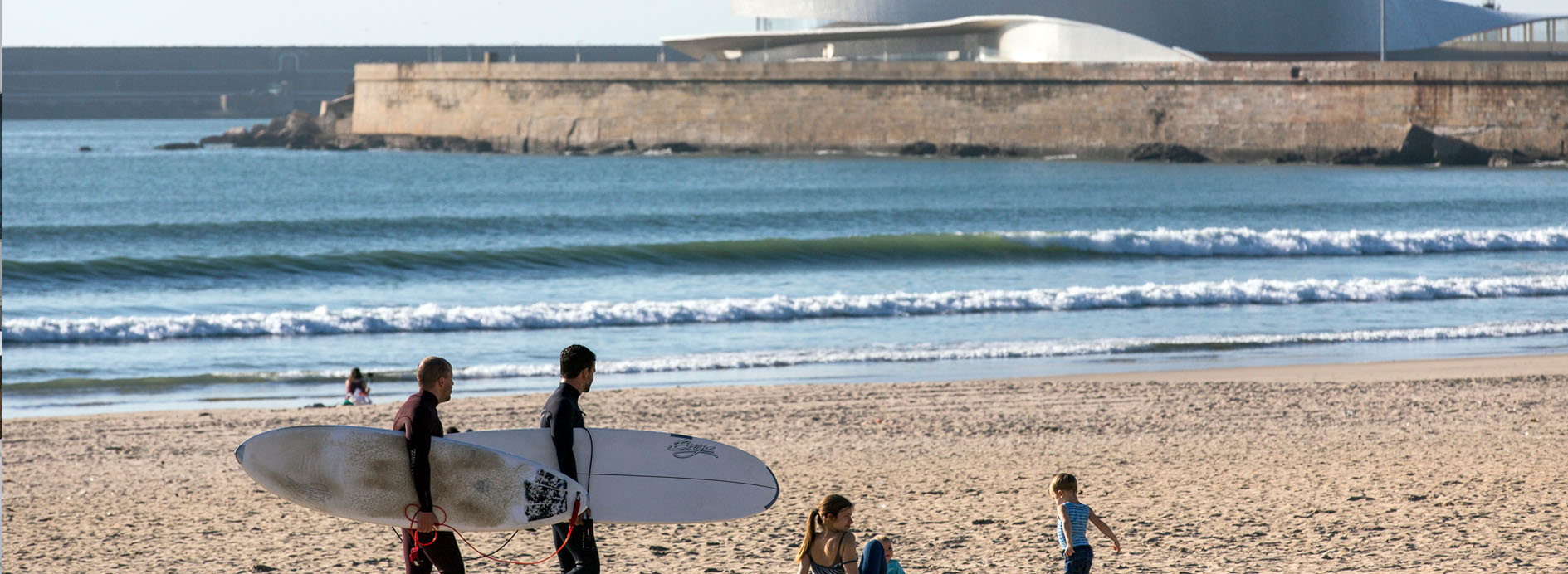
Just a few minutes from Porto, Matosinhos is a destination that brings together beach, gastronomy, and culture. Known for its wide sandy beach, it’s the perfect spot for surfing, seaside walks, or simply relaxing. The Matosinhos Market is a must for fresh fish lovers, and the local restaurants are famous for their sardines and seafood.
Another highlight is the Tidal Pool (Piscina das Marés), a masterpiece by architect Álvaro Siza Vieira, which is well worth a visit.
Book your day trip and other experiences here!

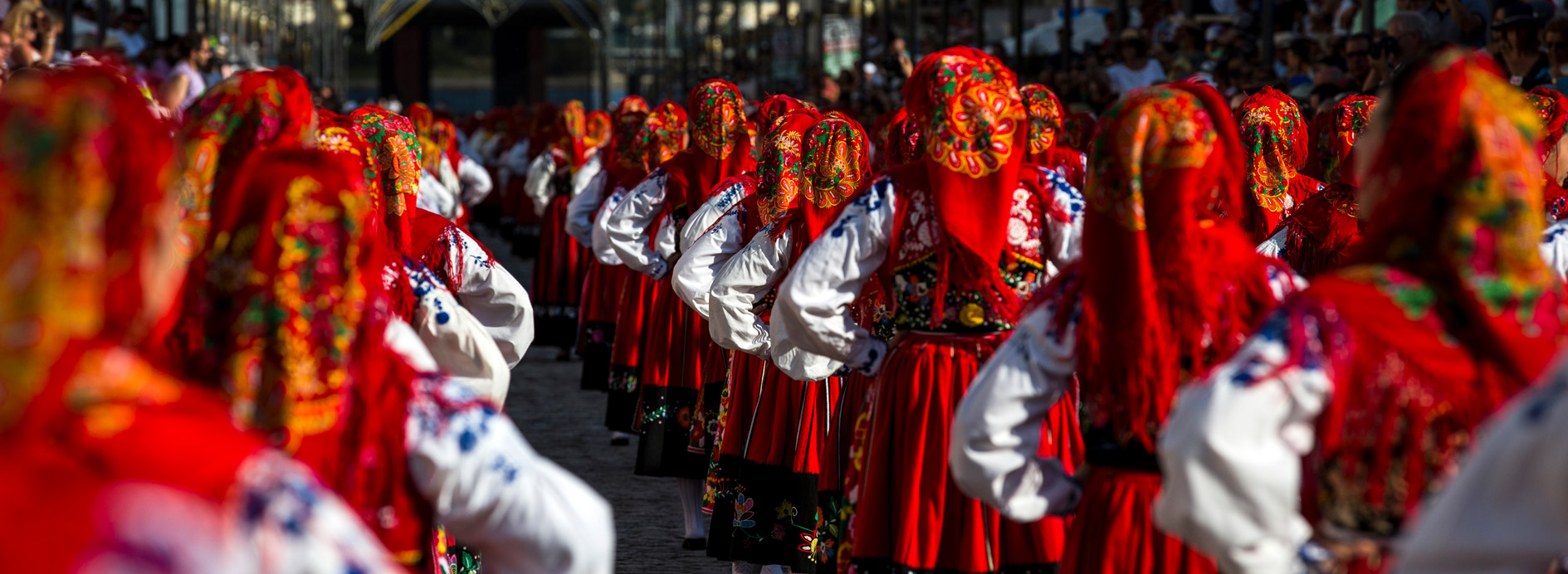
Viana do Castelo – Tradition and Nature
Viana do Castelo is a city full of charm, where tradition meets modernity. Its main attraction is the Basilica of Santa Luzia, perched high on the hill and offering an unforgettable panoramic view over the Lima River and the Atlantic Ocean.
The historic centre, with its cobbled streets and tiled façades, is perfect for a leisurely stroll. Viana is also renowned for the traditional Minho costume and its deep connection to the sea and fishing.
Book your day trip and other experiences here!
Ponte de Lima – The Oldest Town in Portugal
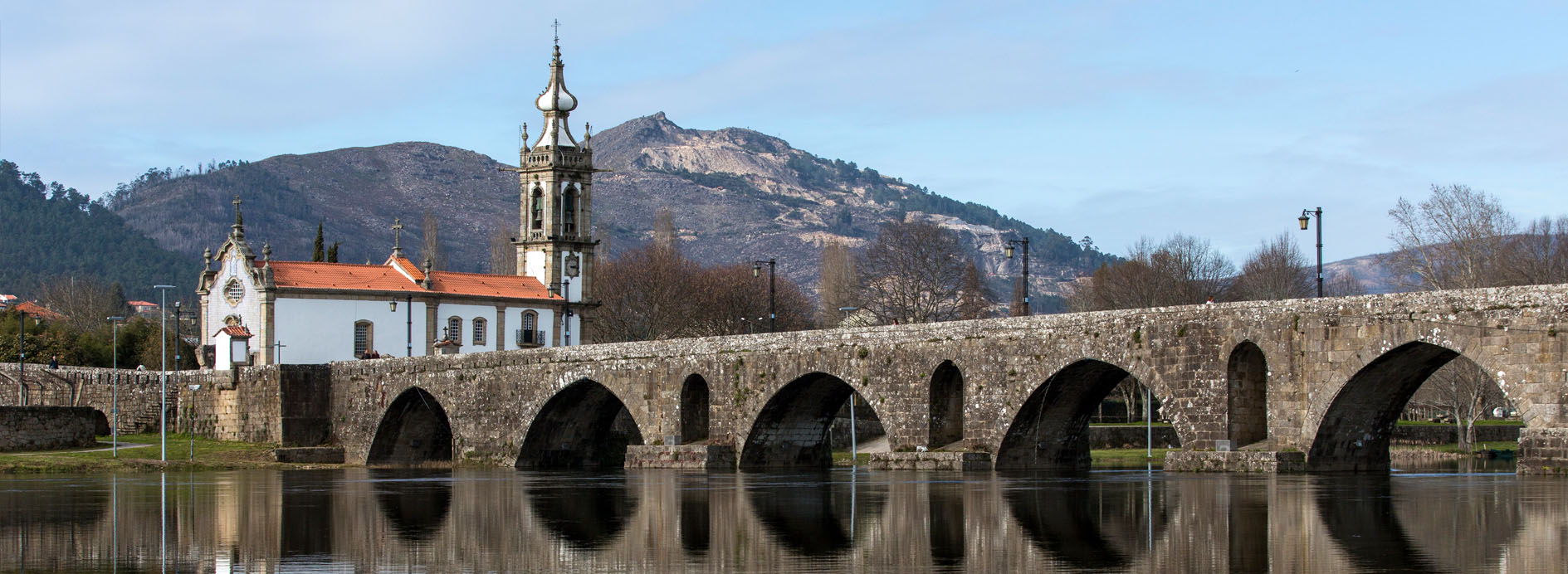
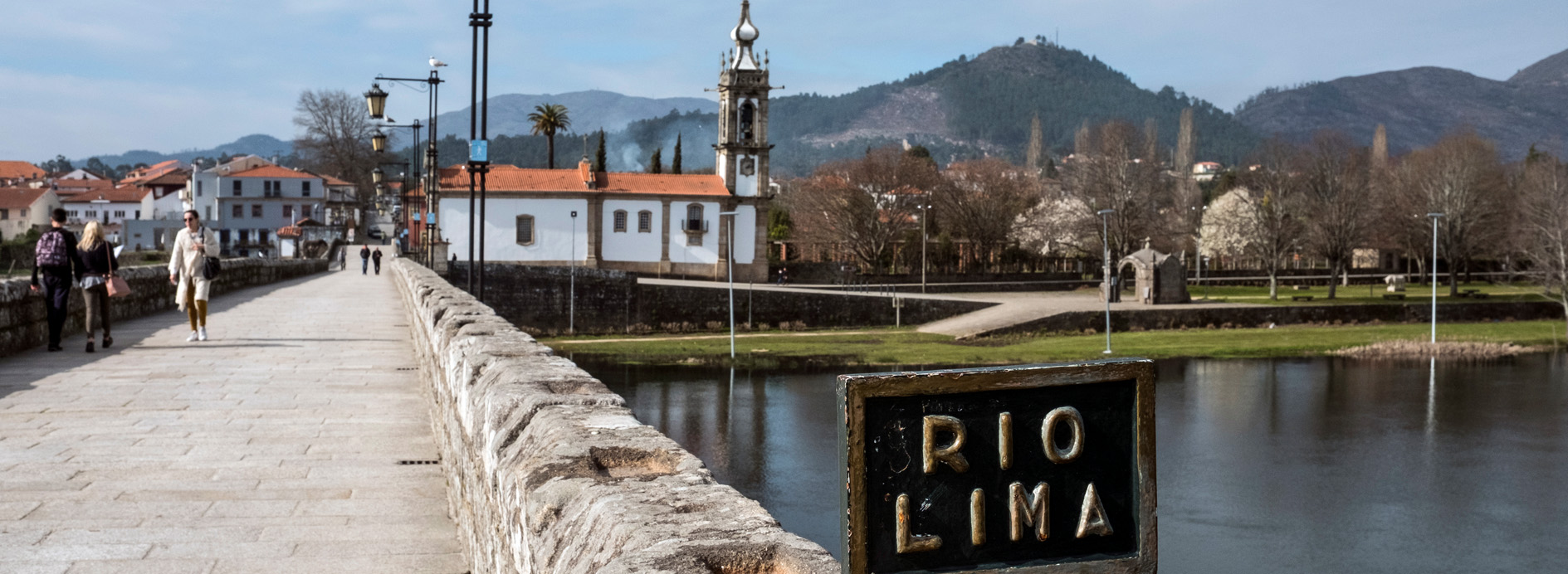
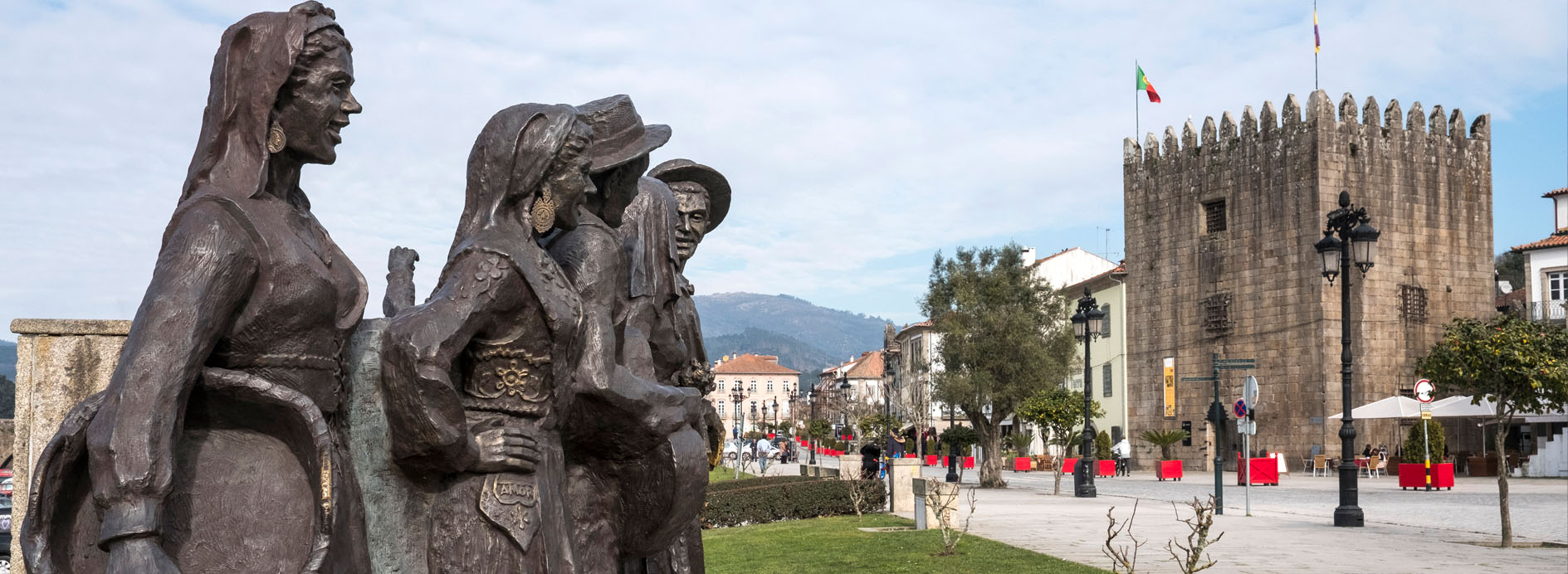
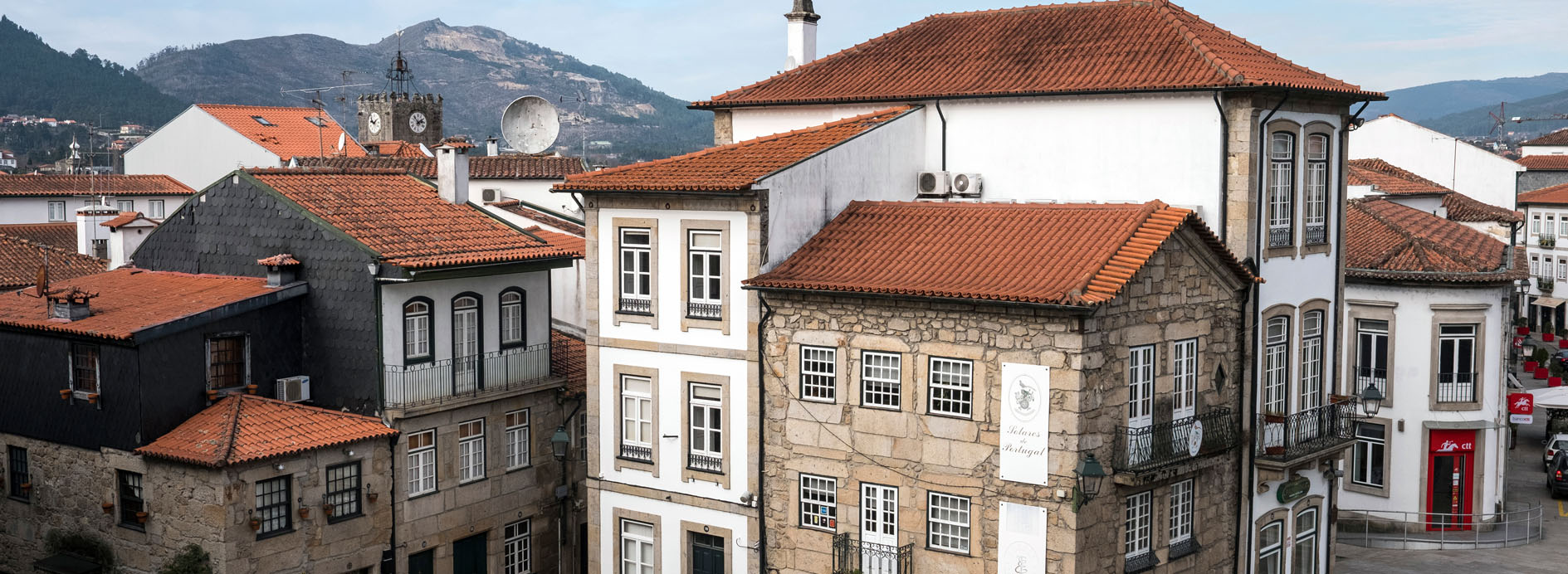
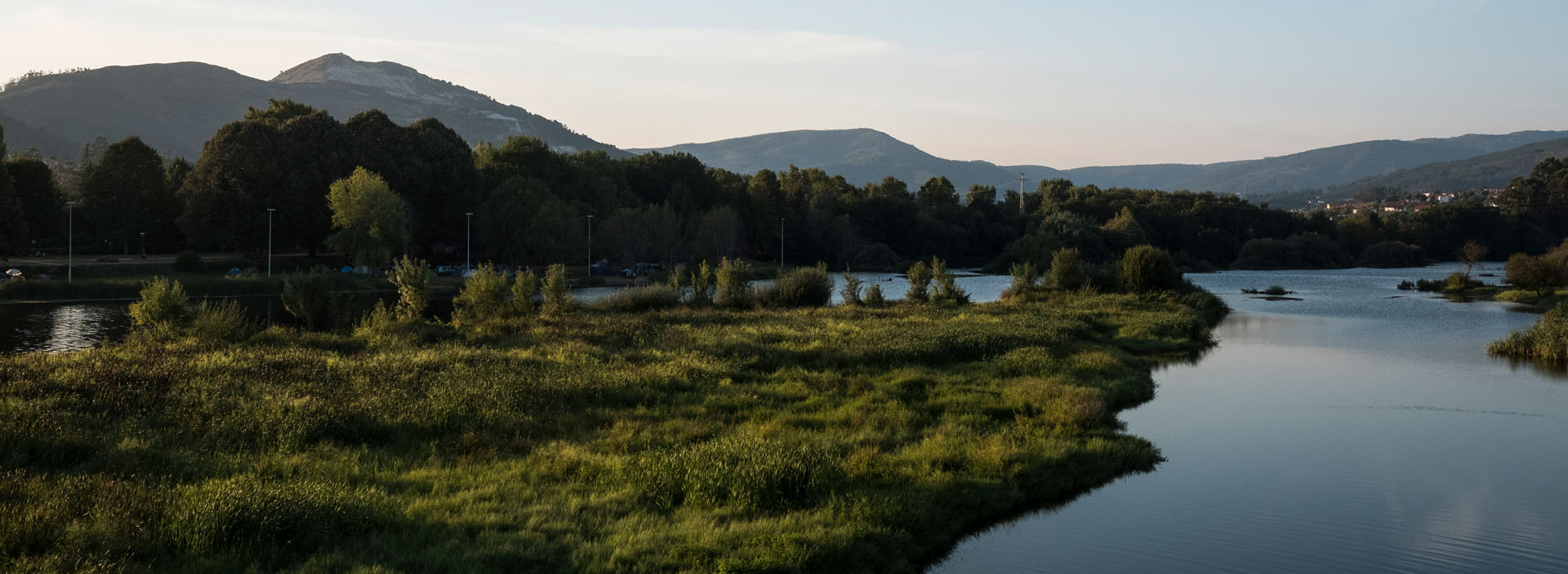
Ponte de Lima is considered the oldest town in Portugal, with history present at every corner. Located on the banks of the Lima River, it is best known for the medieval bridge that gives the town its name.
The historic centre is filled with traditional houses and beautifully kept gardens, such as the Arnado Gardens. The region is also an important centre for Vinho Verde production, making it ideal for a wine and gastronomy experience.
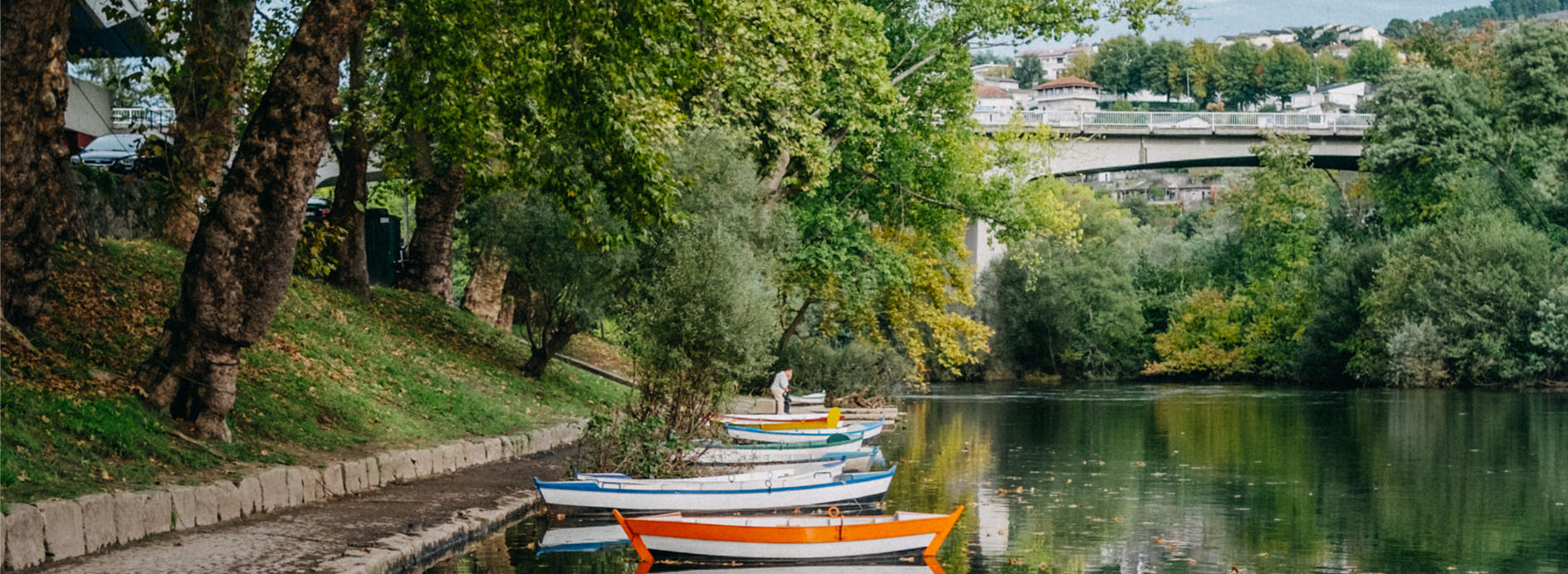

Amarante – Art and Vinho Verde
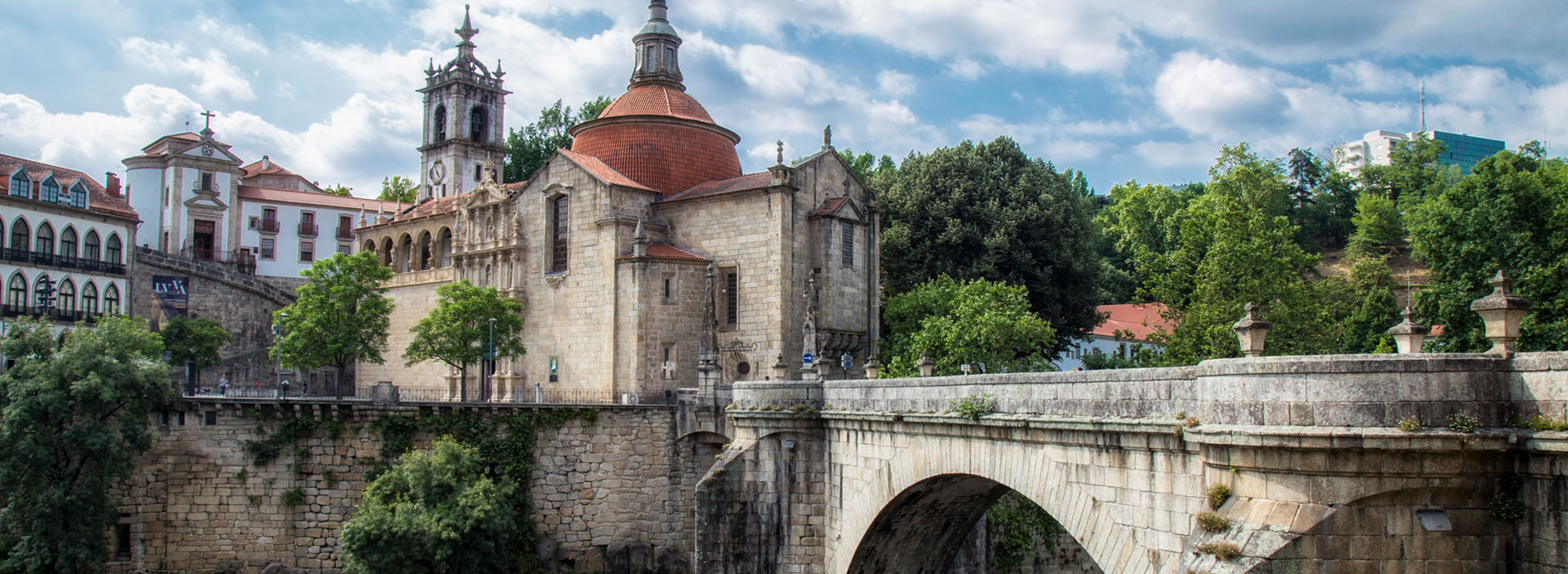
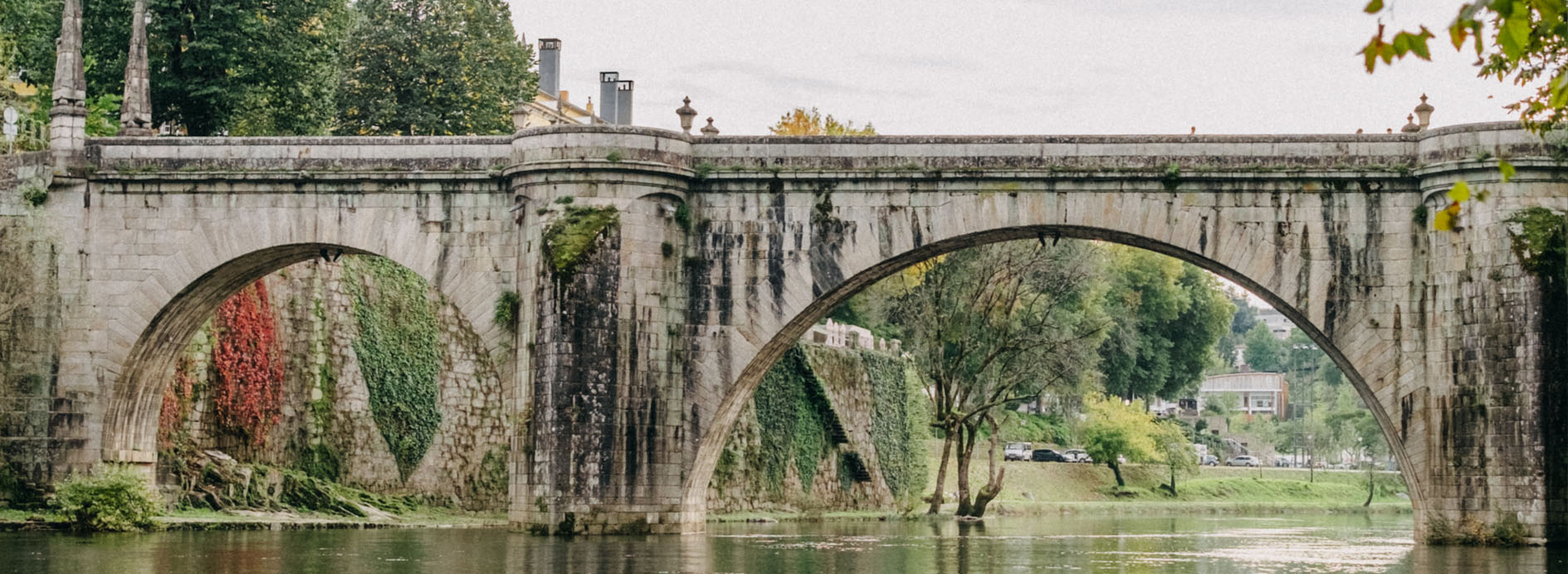
Amarante is a charming town set along the banks of the Tâmega River. Its postcard-perfect landmark is the São Gonçalo Bridge, standing right in front of the church of the same name. Beyond its romantic atmosphere, Amarante is renowned for its convent sweets and its close connection to Vinho Verde.
Another highlight is the Amadeo de Souza-Cardoso Museum, which pays tribute to the modernist painter born in the region.
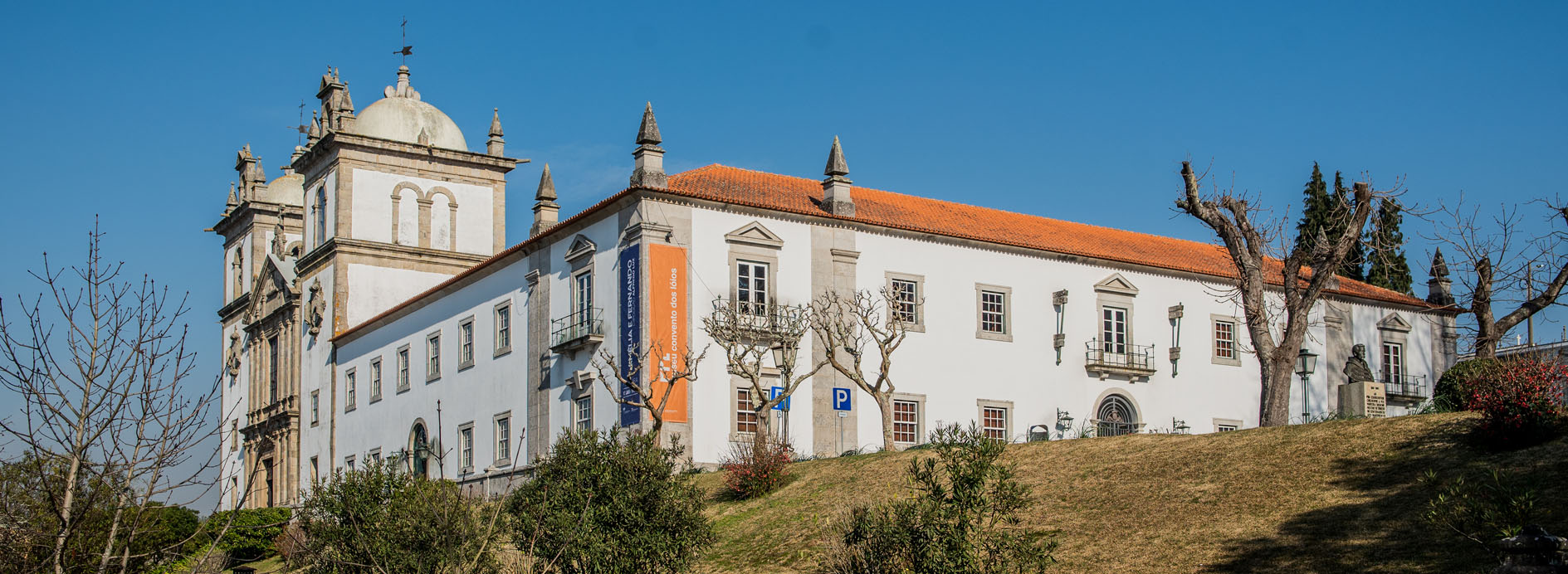

Santa Maria da Feira – Medieval Journey and Living Heritage
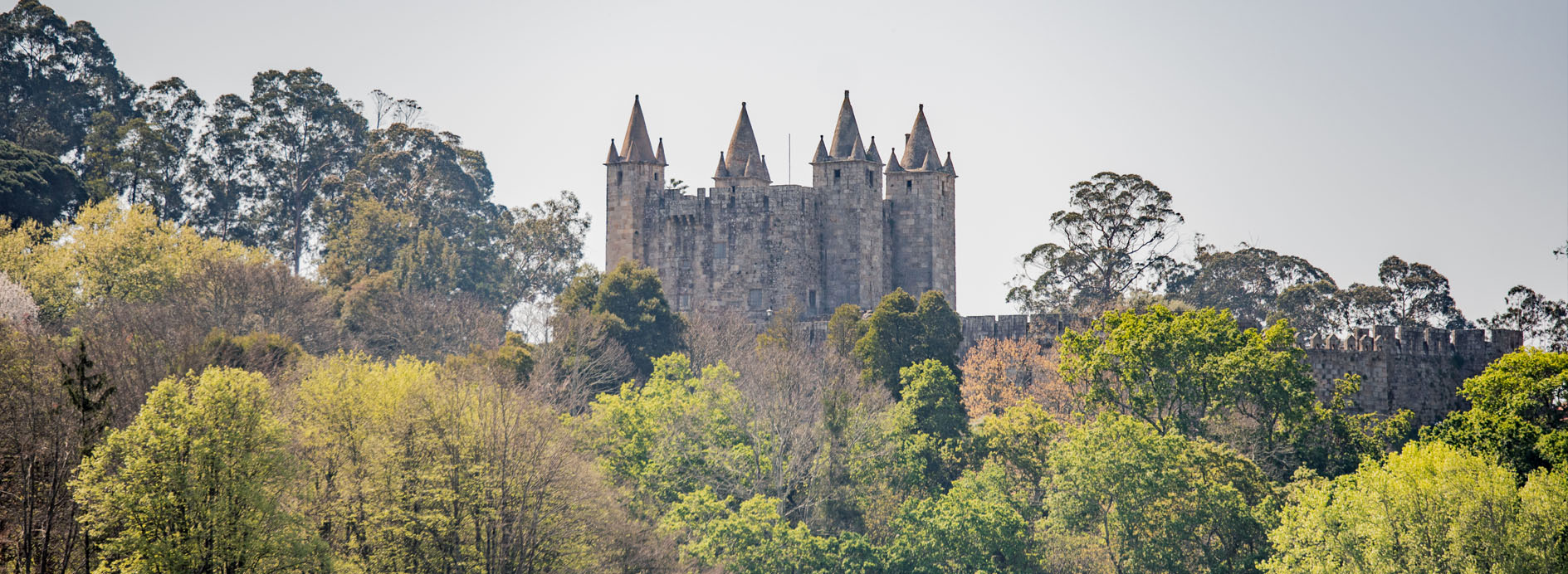
Located about 30 minutes from Porto, Santa Maria da Feira is a perfect destination for history and culture lovers.
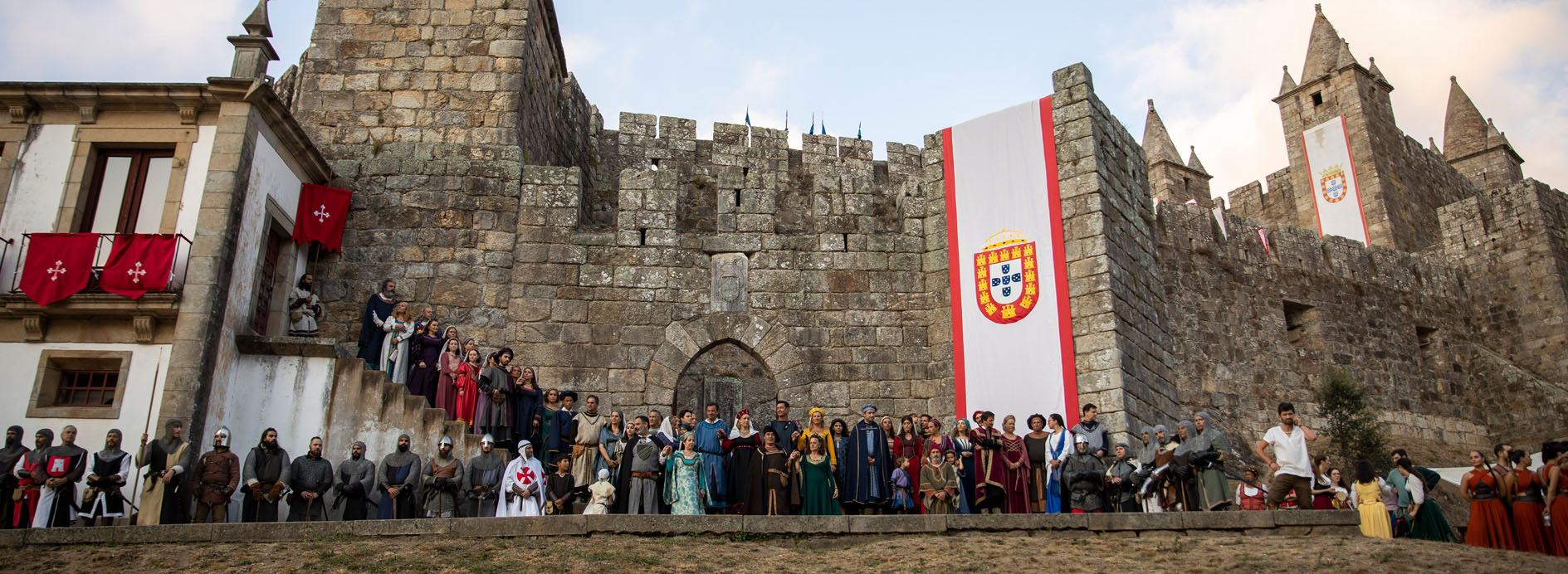
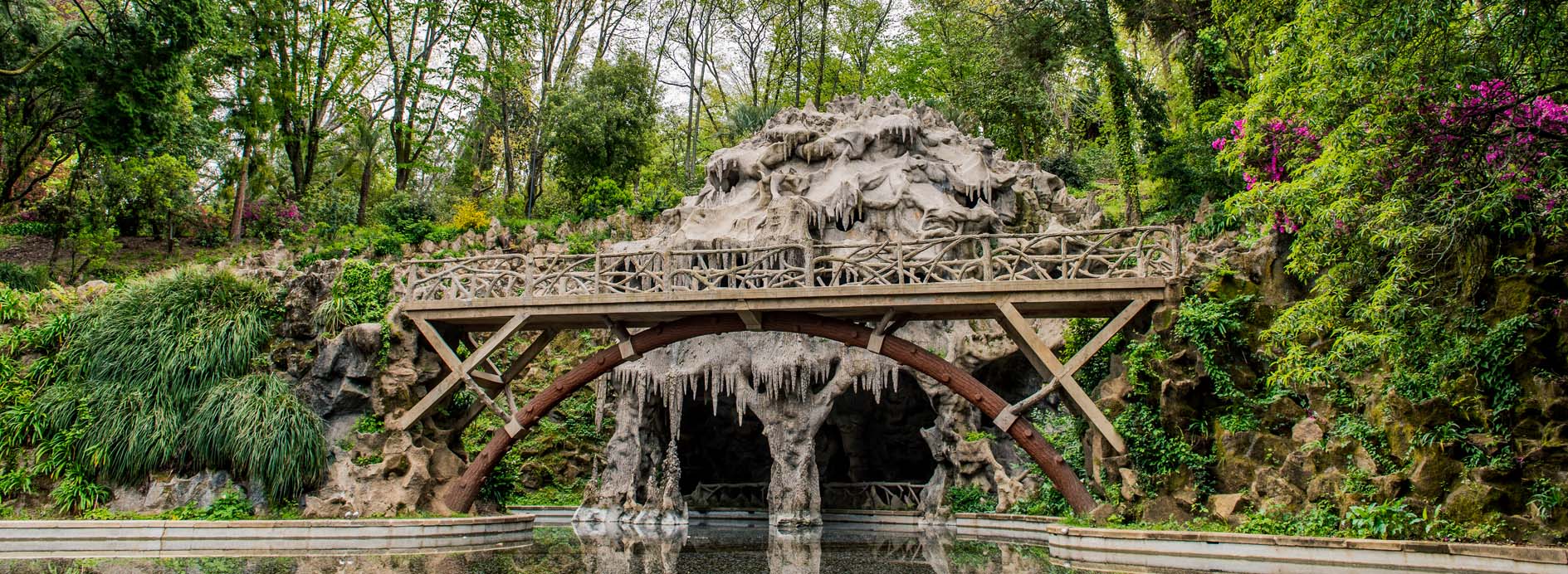
Its landmark is the Castle of Santa Maria da Feira, one of the best-preserved in Portugal, which transports visitors back to medieval times. The city is also famous for the Viagem Medieval, one of the largest historical reenactment events in Europe, and for the Festa da Fogaça, celebrating a traditional convent sweet.
Espinho – Beach and Culture by the Atlantic
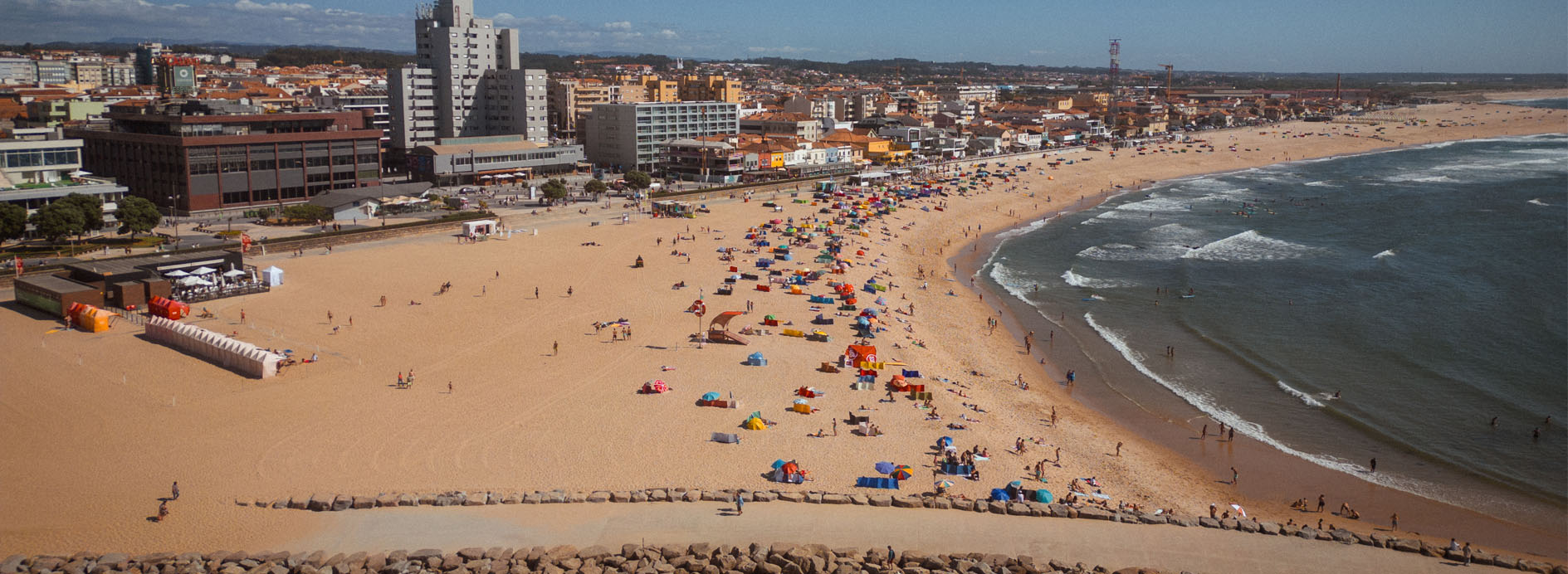
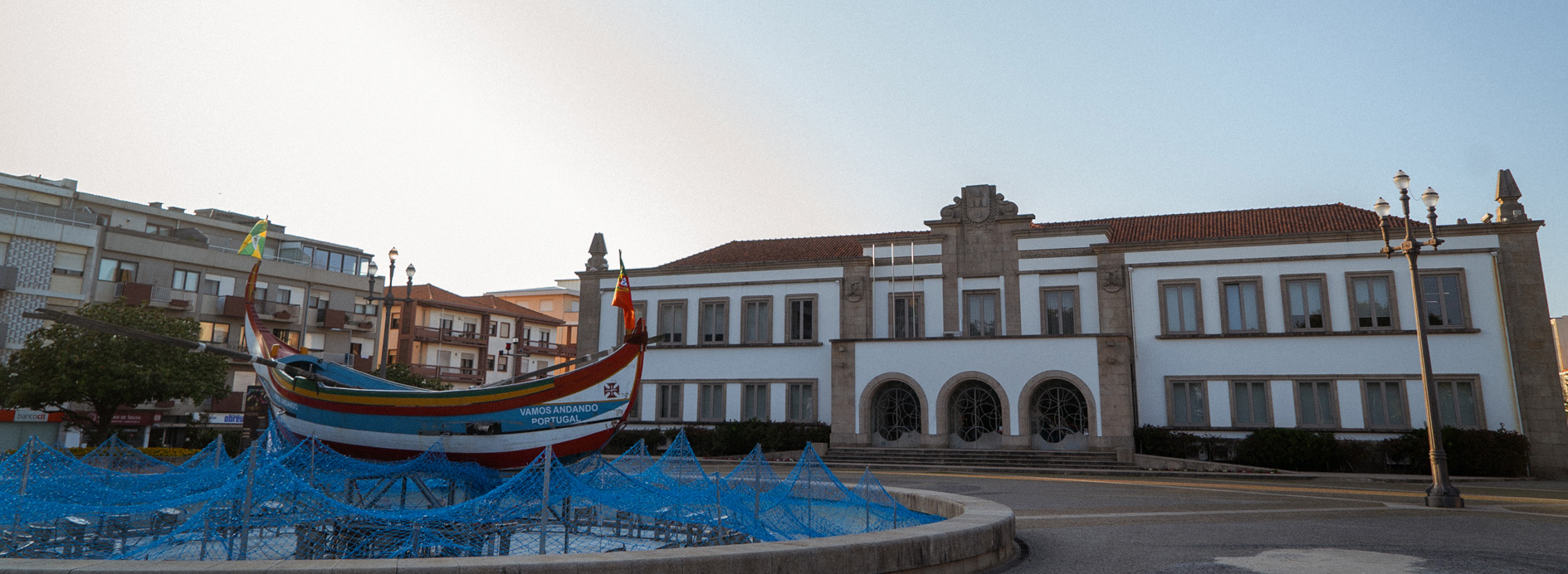
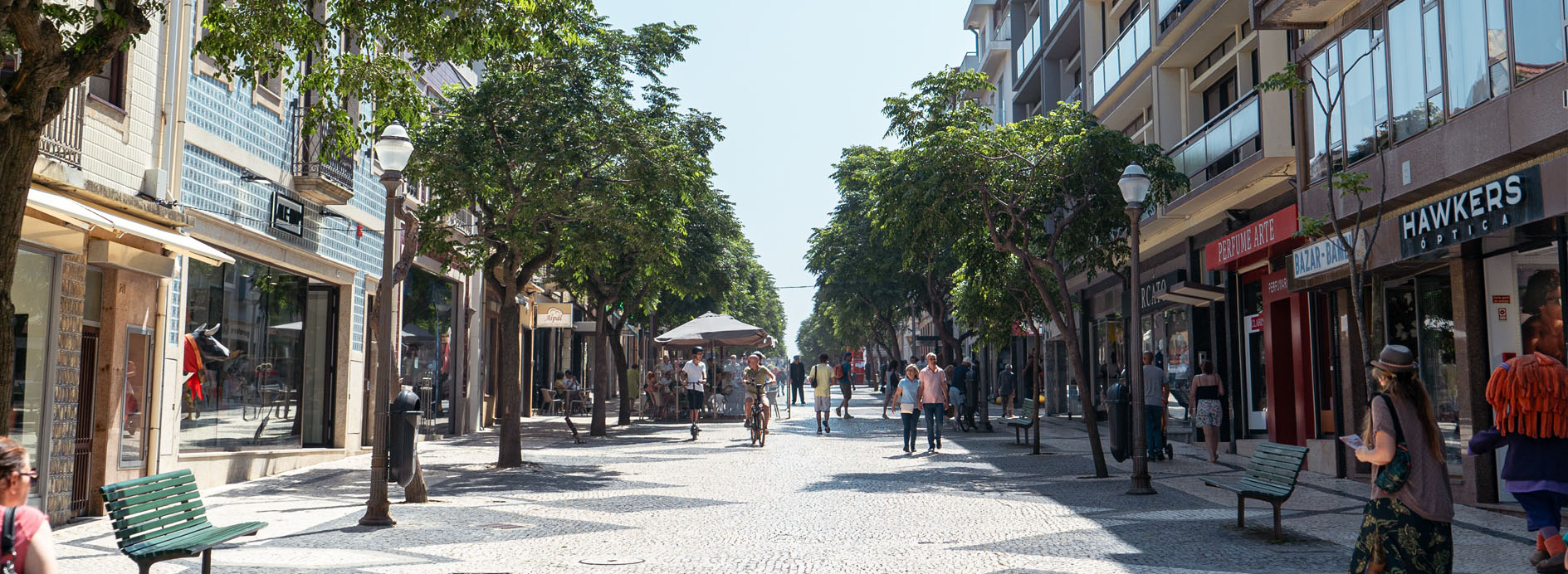
Espinho is a popular seaside destination, known for its long sandy beaches and excellent surf. Beyond the beach, the weekly market in Espinho is one of the largest in Portugal, attracting visitors from across the region.
The town also boasts a seafront casino and a lively cultural scene, making it a great option for those seeking leisure just a few minutes from Porto.
Bragança – The Charm of Northeast Trás-os-Montes
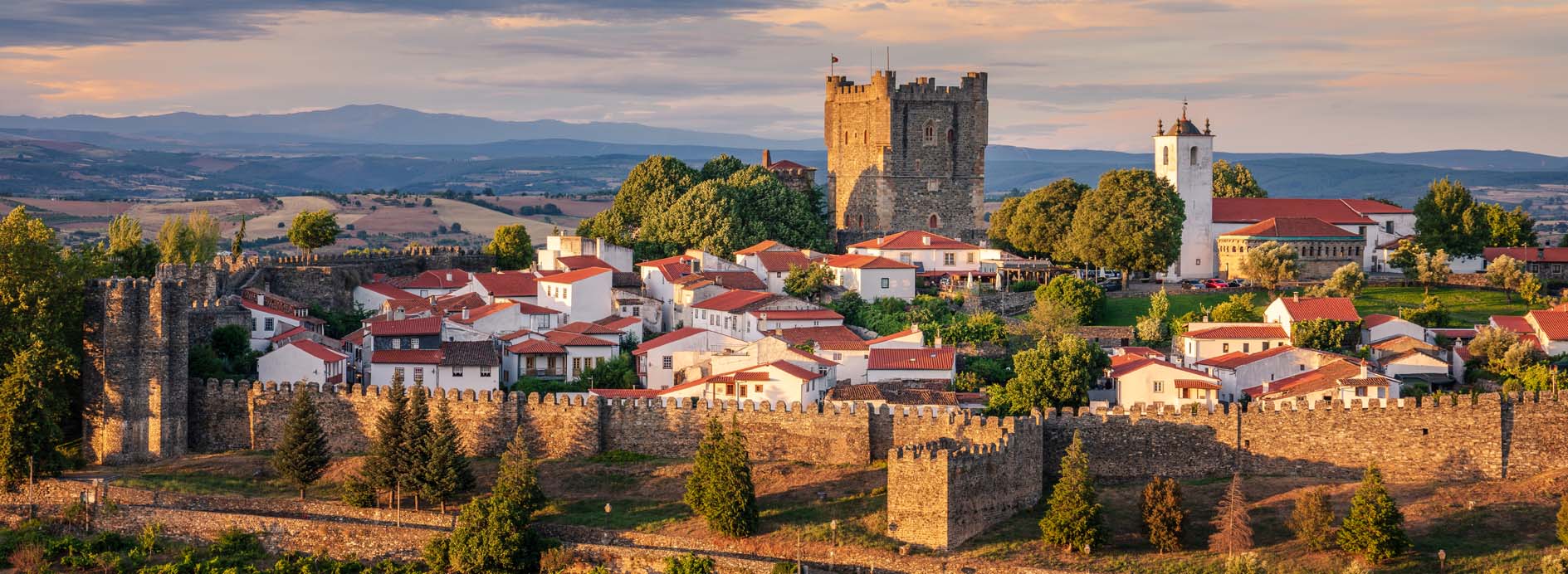
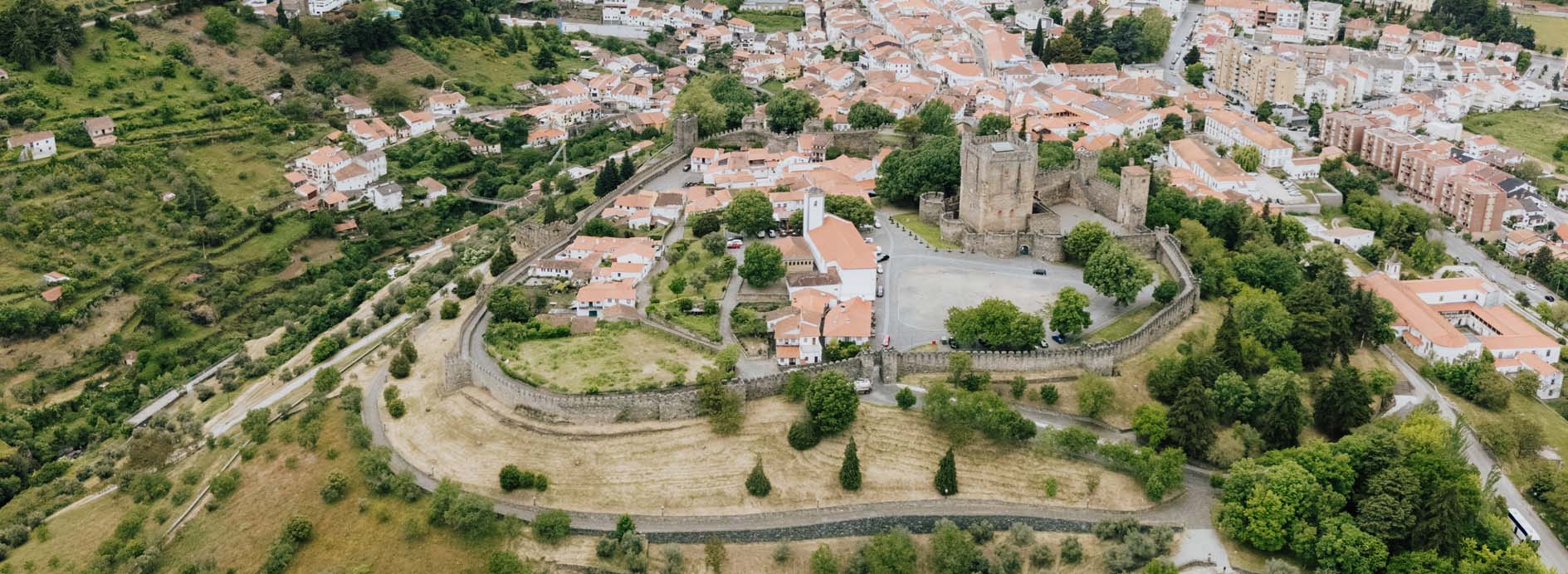
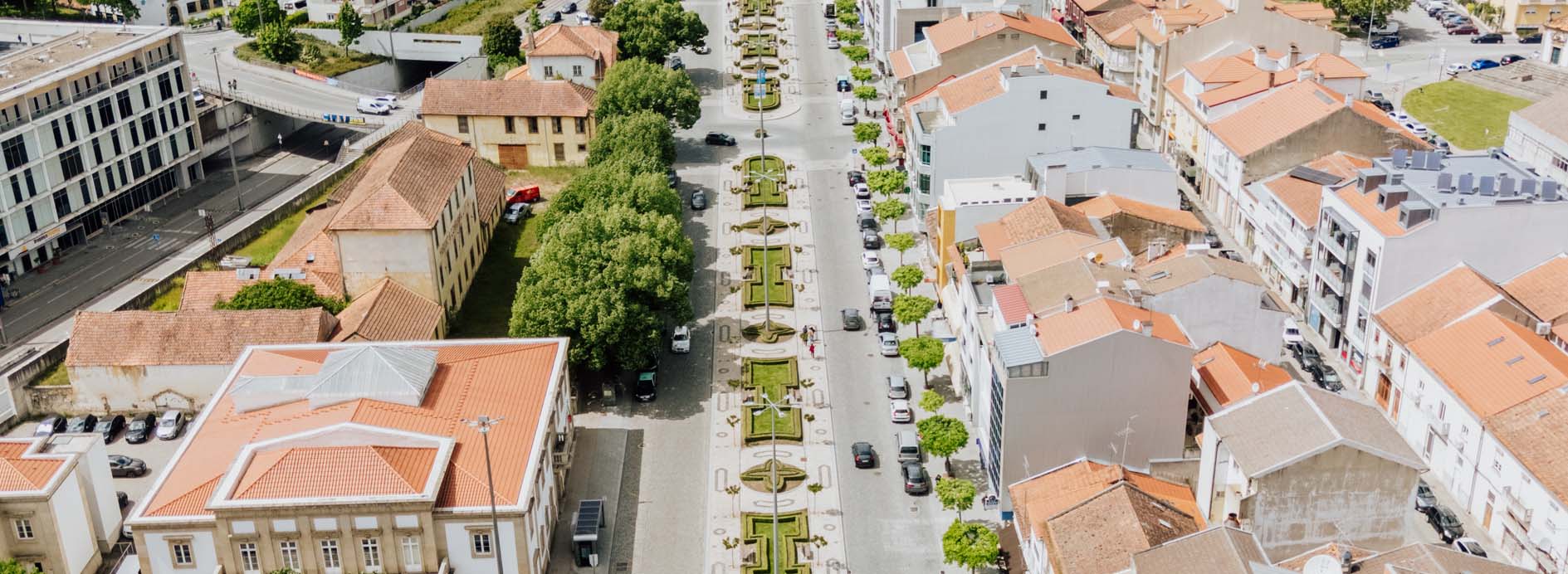
A bit farther away but absolutely rewarding, Bragança is the capital of Trás-os-Montes and an authentic destination, ideal for those seeking history and nature.
Its medieval castle, with the well-preserved citadel, is the city’s main highlight. Within the walls you’ll find traditional houses and the Domus Municipalis, the only Romanesque civil building in Portugal.
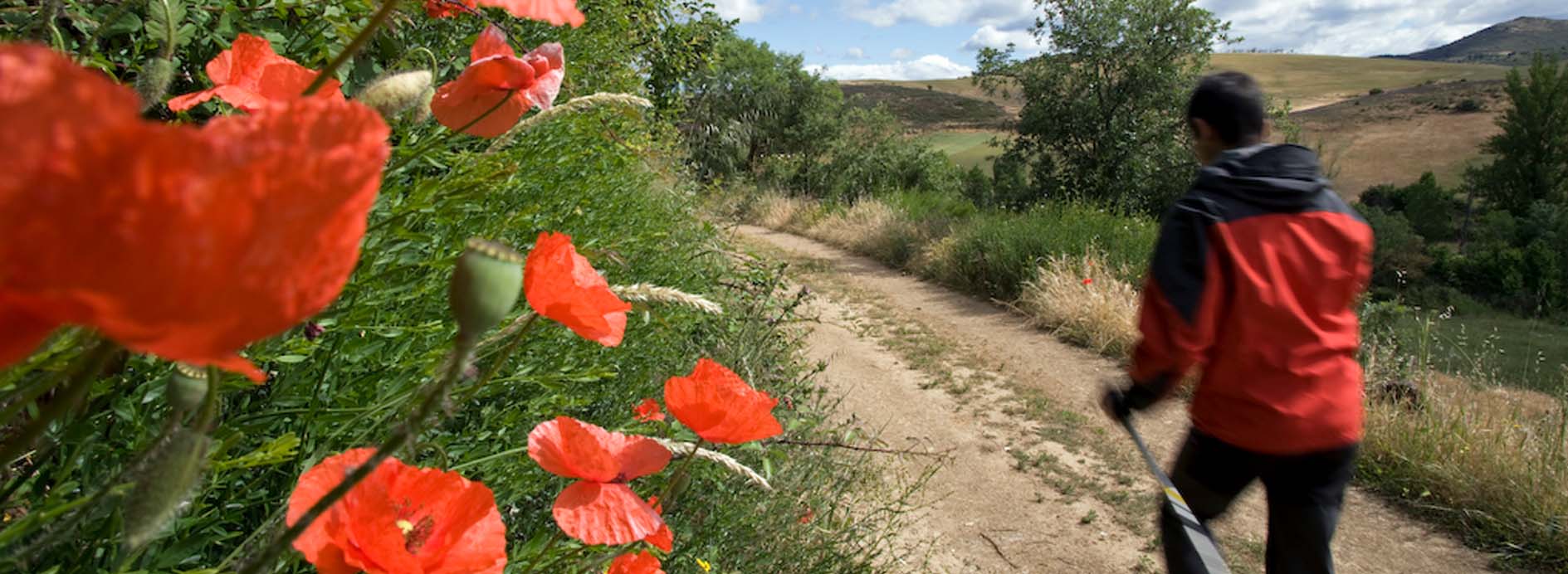
Beyond its heritage, Bragança is also the gateway to Montesinho Natural Park, one of the largest in the country, known for its traditional villages and rich Transmontano gastronomy.