Matosinhos: what to see and do
Porto
What to Do
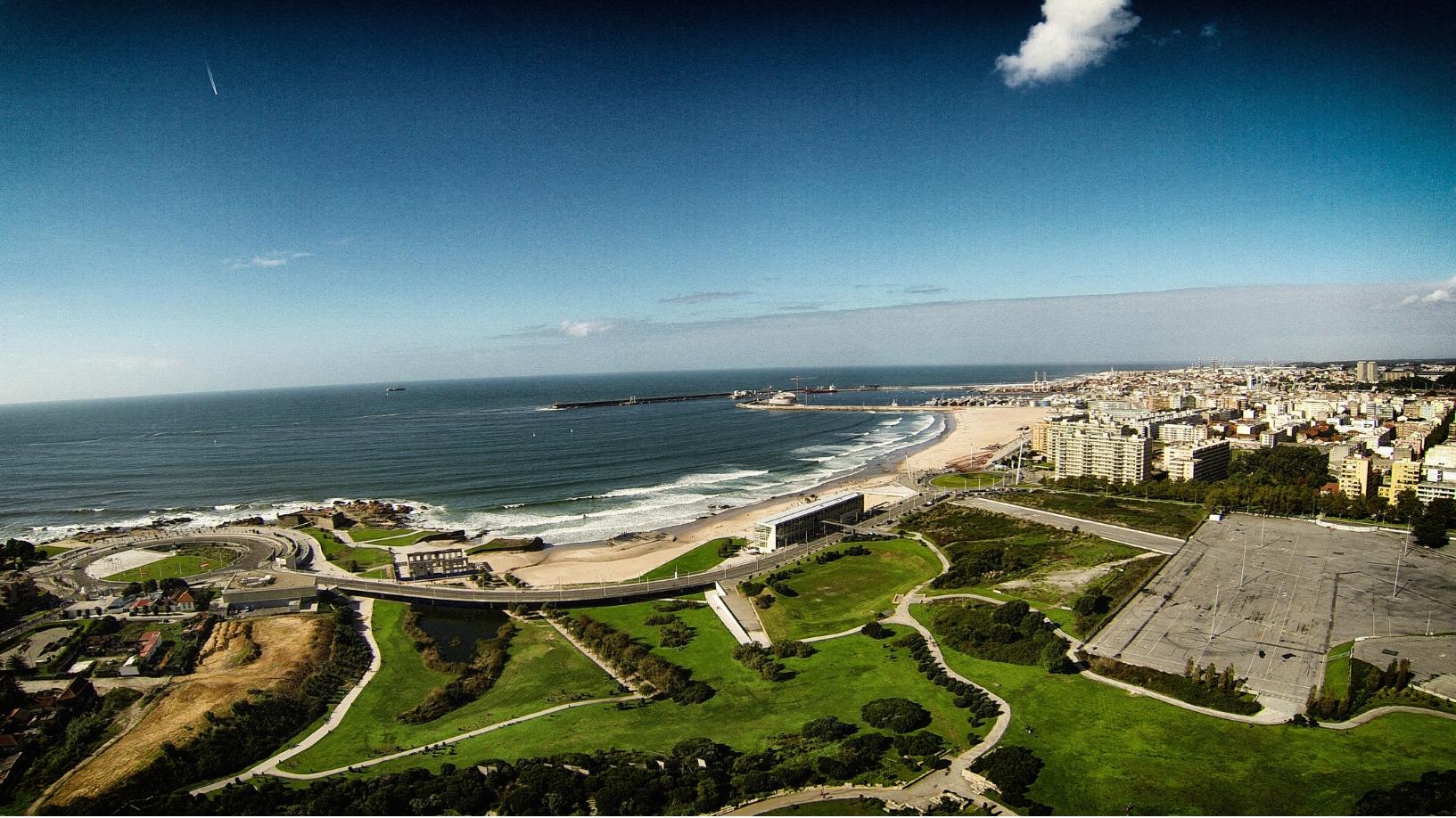
In Matosinhos, the Atlantic Ocean is never far away. Its presence can be felt on the beaches and at the Port of Leixões, in the fresh fish arriving at the fish market, the old canneries and the restaurants where fish is grilled out on the street. The sea is deeply woven into the municipality's identity.
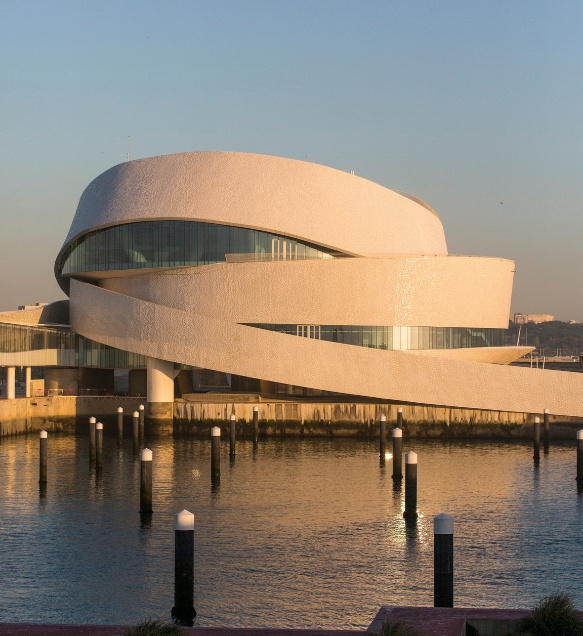
But Matosinhos is about much more than beaches and gastronomy. The municipality is also one of Portugal's most interesting destinations for discovering contemporary architecture. Álvaro Siza Vieira was born here and designed some of his earliest and most iconic works in the area, including the Piscina das Marés (Tidal Pools) and the Boa Nova Tea House, both in Leça da Palmeira. Casa da Arquitectura has transformed the former Real Vinícola winery into a major centre dedicated to architecture, while the Leixões Cruise Terminal has become a striking new landmark on the waterfront.
There is another side of Matosinhos waiting to be discovered. The Monastery of Leça do Balio reflects centuries of history and the passage of pilgrims. Lavra and Angeiras retain strong ties to fishing and coastal life. São Mamede de Infesta, Senhora da Hora, Custóias and Guifões reveal a more residential side of the municipality, while parks, walking routes and heritage sites offer insights into how the area has evolved over time.
The coastline stretches for approximately 15 kilometres (9.3 miles), with wide urban beaches, sandy coves nestled between rocks and a long network of coastal boardwalks. Surfing, bodyboarding, sailing and windsurfing are among the many activities associated with the Atlantic.
This guide brings together the main places to visit in Matosinhos, towns and neighbourhoods to explore, architecture, heritage, beaches, gastronomy, experiences, itineraries, accommodation, restaurants, business events and all the practical information you need to plan your trip.
Where is Matosinhos located?
Matosinhos is located immediately north of Porto. It borders the Atlantic Ocean to the west, Vila do Conde to the north, Maia to the east and Porto to the south. The municipality is crossed by the River Leça, whose mouth was significantly transformed by the construction of the Port of Leixões.
Its location makes it easy to combine a visit to Matosinhos with a stay in Porto, although the municipality is also well worth exploring in its own right. The coastline stretches northwards from Matosinhos and Leça da Palmeira to Perafita, Lavra and Angeiras, while inland areas offer a more residential character, historic heritage and riverside landscapes.
Why visit Matosinhos?
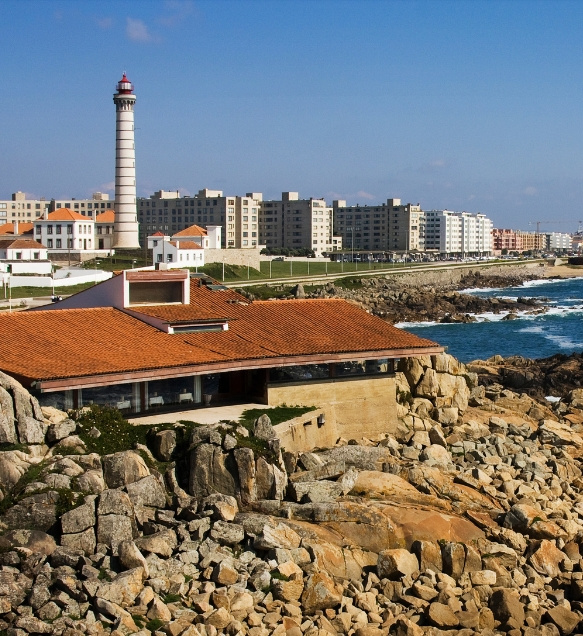
For its architecture by the Atlantic
Few municipalities in Portugal offer the chance to explore works by different generations of contemporary architects within such a small area.
Matosinhos is home to some of Álvaro Siza Vieira's earliest and most celebrated works, while Fernando Távora, Eduardo Souto de Moura, Luís Pedro Silva and other architects have added new layers to the urban landscape. Casa da Arquitectura also offers a dedicated programme of guided tours along the Siza Vieira Architectural Route.
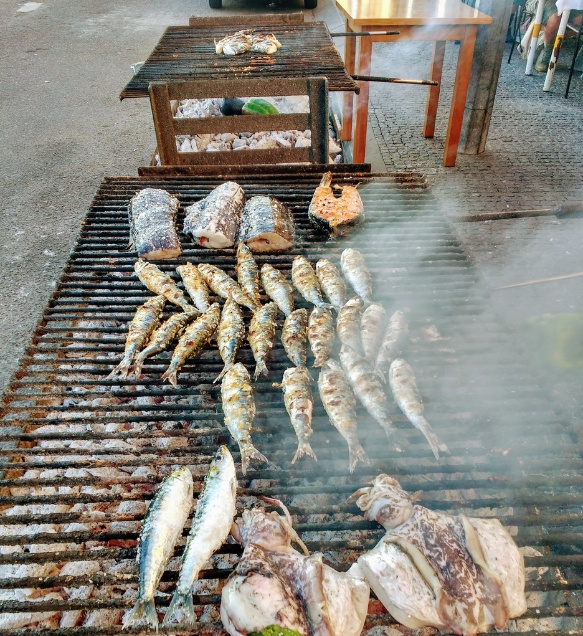
For its fresh fish and seafood
Matosinhos' longstanding connection to fishing, the port and the canning industry has made gastronomy one of the main reasons to visit.
The municipal market, restaurants, fish auction market, canneries and fishing communities reveal why fish and seafood are much more than just a culinary attraction.
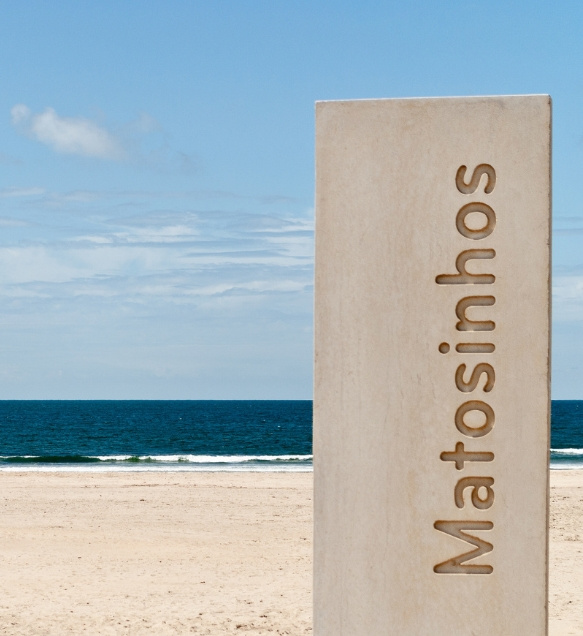
For its coastline, all year round
Beaches, coastal boardwalks, saltwater swimming pools, surfing, walking trails and restaurants line an extensive stretch of the Atlantic coast.
From the urban beach of Matosinhos to the smaller beaches and fishing villages in the north of the municipality, the scenery changes several times along the way.
For the Port of Leixões and its maritime heritage
Leixões is much more than just a port.
Its historic Titan cranes, breakwaters, cruise terminal, ships and former industrial sites tell an essential part of the municipality's economic and social transformation.
For its history beyond the coastline
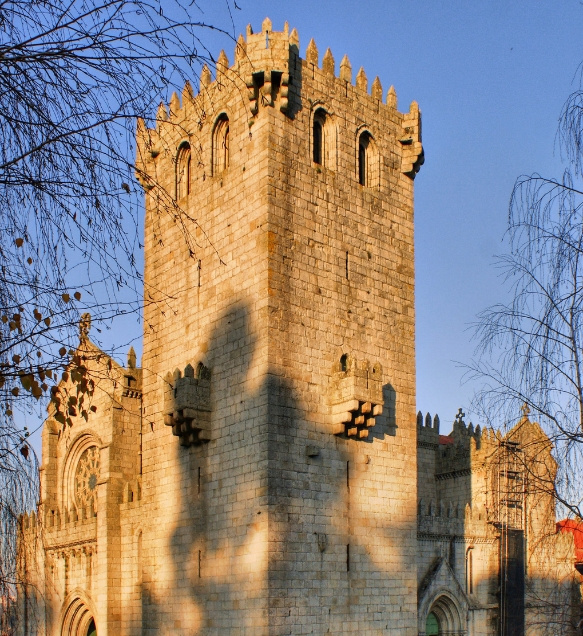
The Monastery of Leça do Balio, Castro de Guifões archaeological site, Obelisco da Memória (Memorial Obelisk), churches, historic houses and ancient routes reveal that the area's history began long before the industrialisation of the 20th century.
For the chance to combine a wide range of experiences
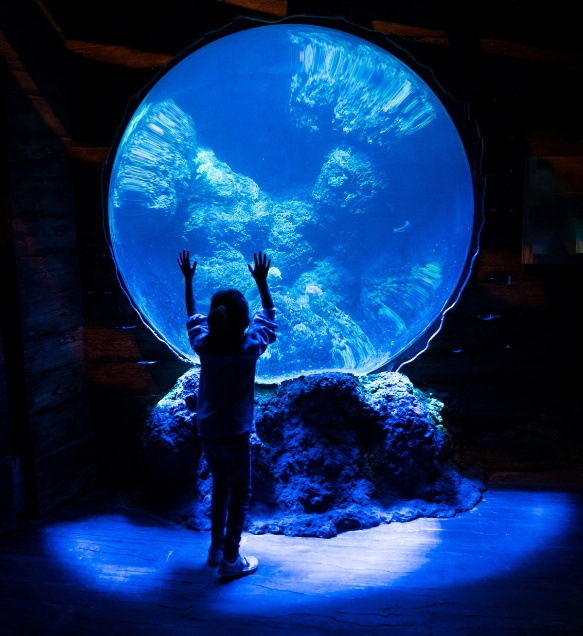
You can start the morning at a museum, enjoy fresh fish for lunch near the port, spend the afternoon on a beach and end the day admiring an architectural landmark perched among the rocks.
And thanks to its proximity to Porto and the Metro network, many of these experiences can be enjoyed without a car.
Must-see attractions in Matosinhos
For a first visit, these are some of the places and experiences that best capture the character of the municipality.
Matosinhos Beach and seafront promenade
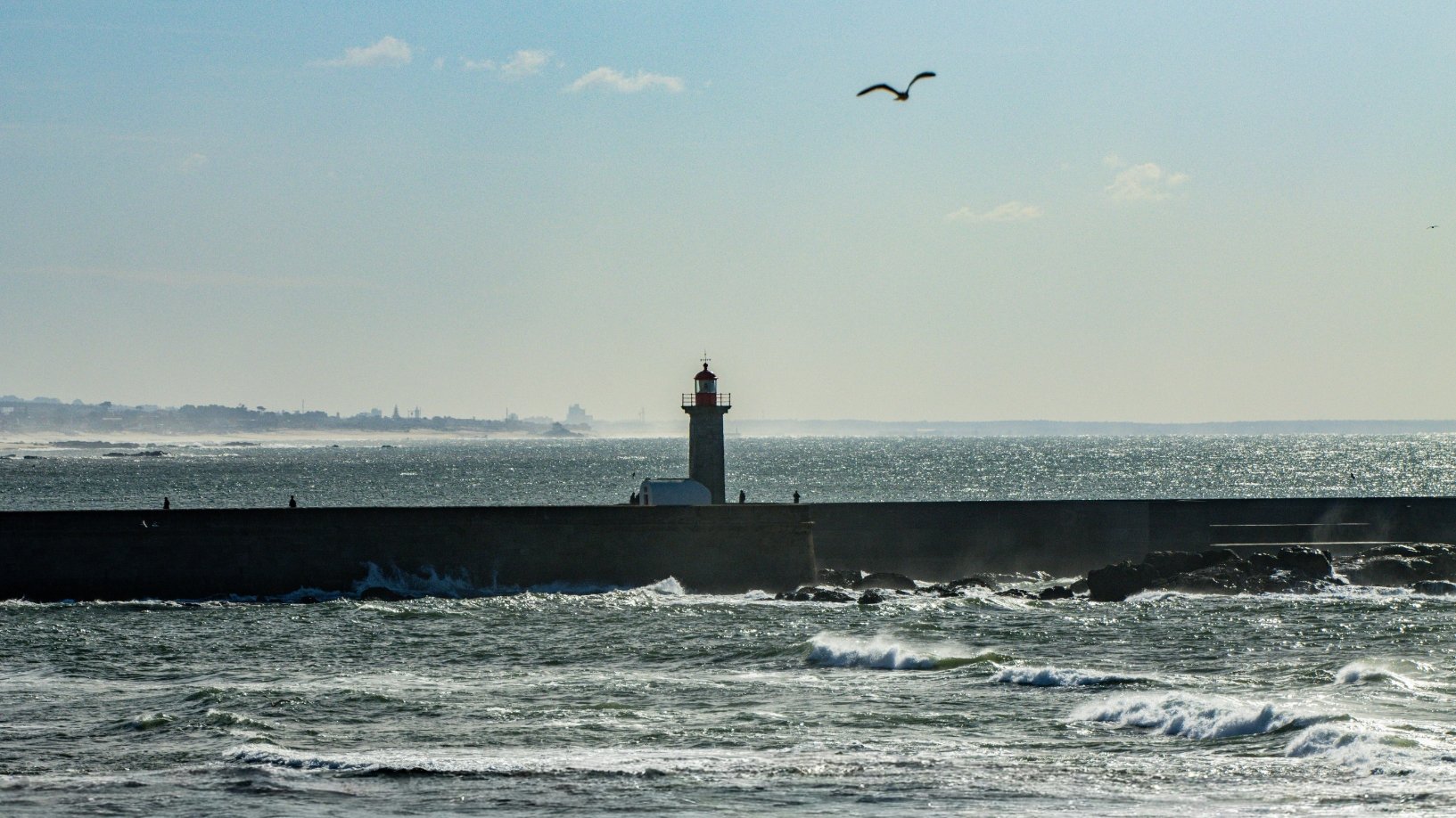
The city's wide sandy beach is one of the best places to discover its connection to the Atlantic Ocean.
The seafront promenade offers a pleasant walk past the beach, restaurants, architectural landmarks, the port and public art installations.
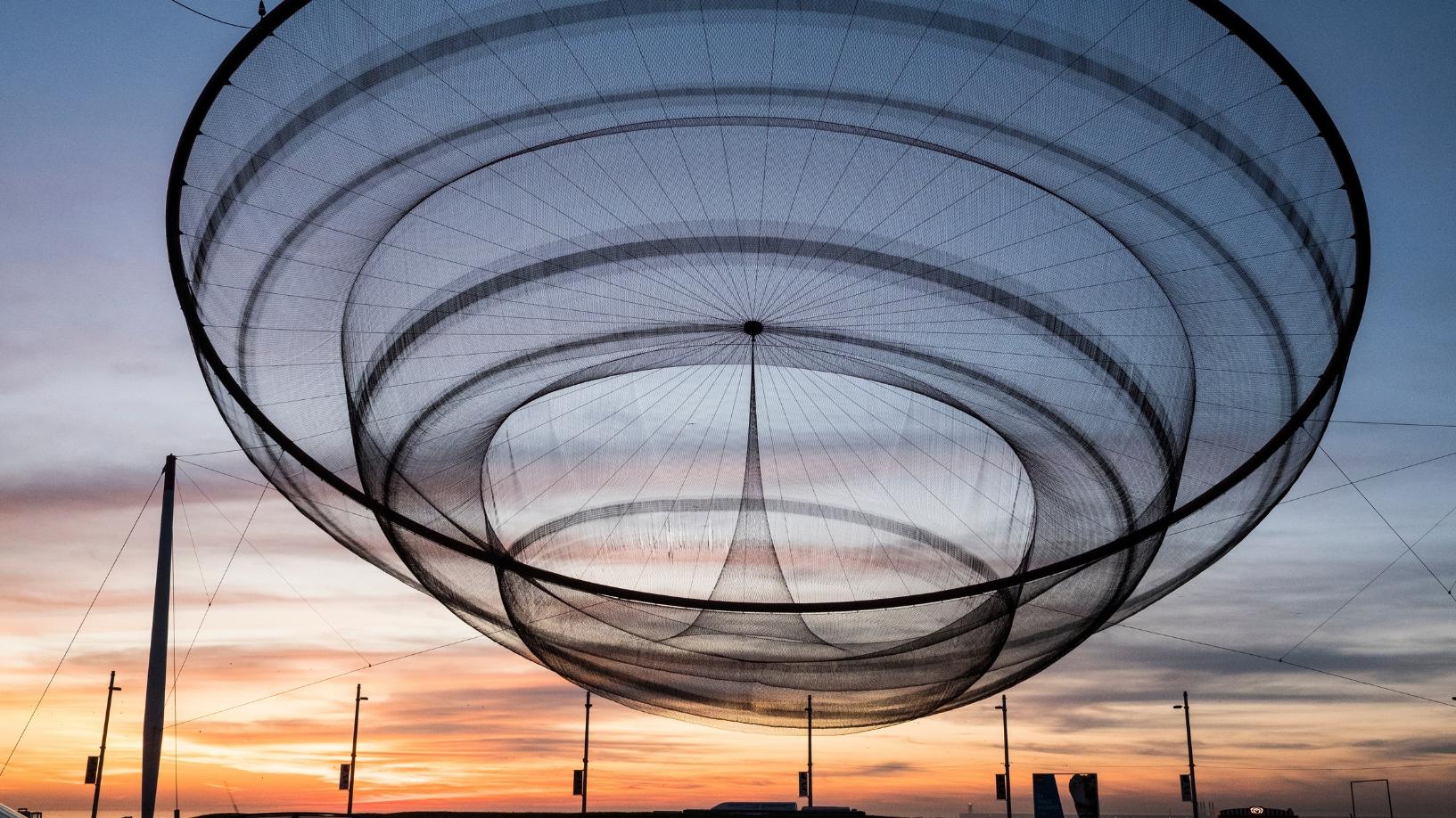
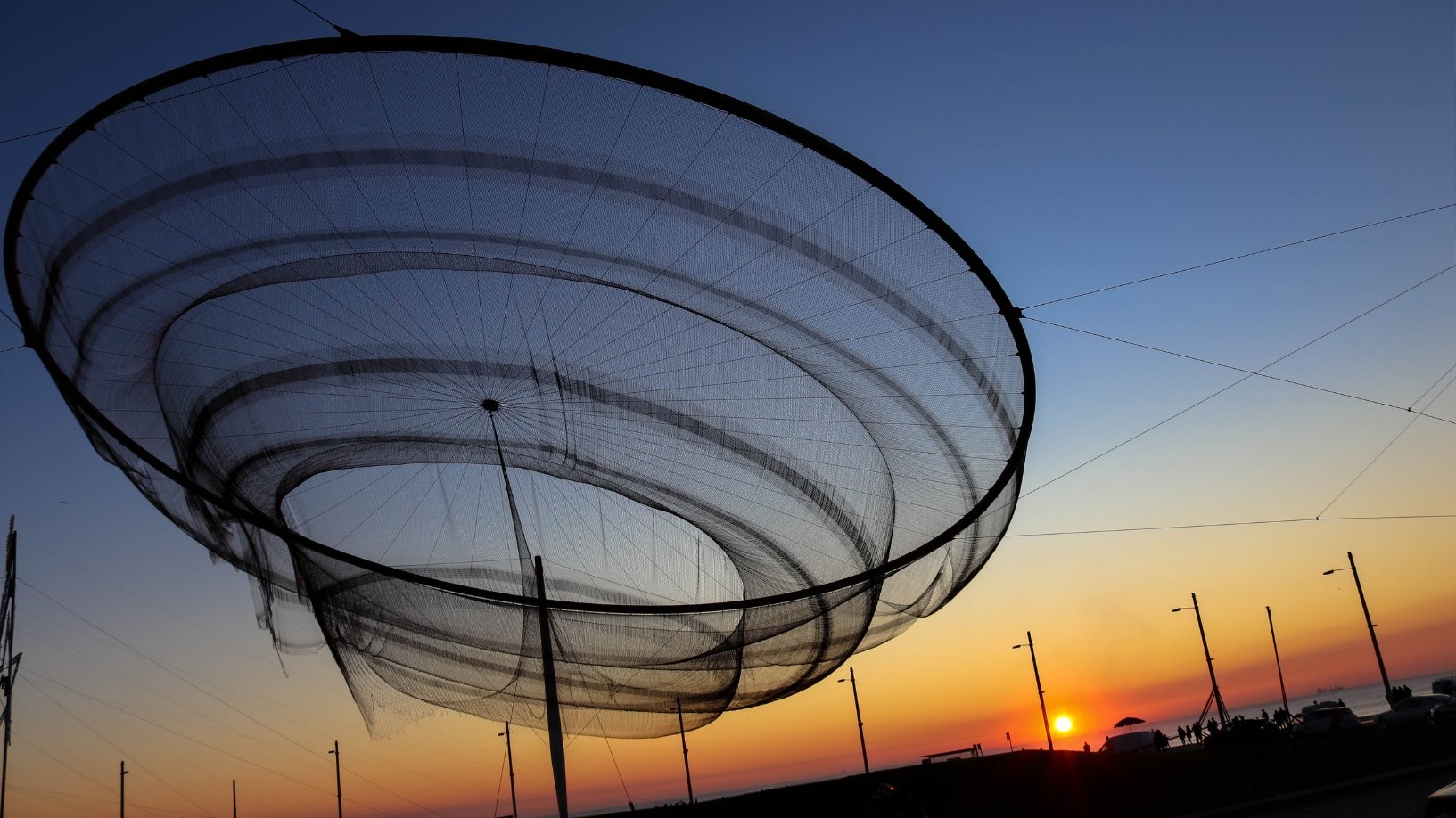
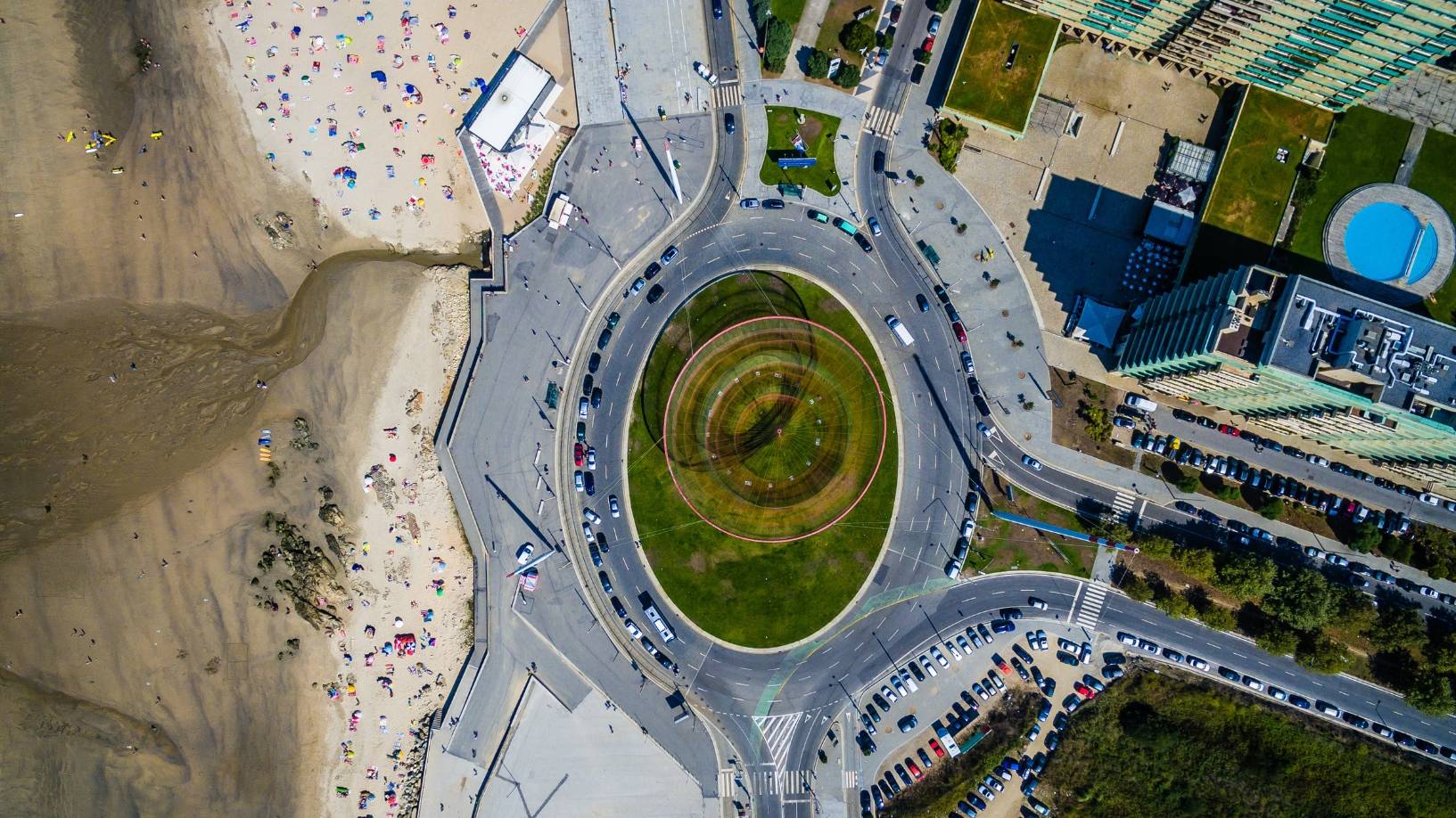
Near the border with Porto stands She Changes, an artwork by Janet Echelman, popularly known as the “Anemone”, created to evoke Matosinhos' connection to fishing and the sea.
Piscina das Marés (Tidal Pools)
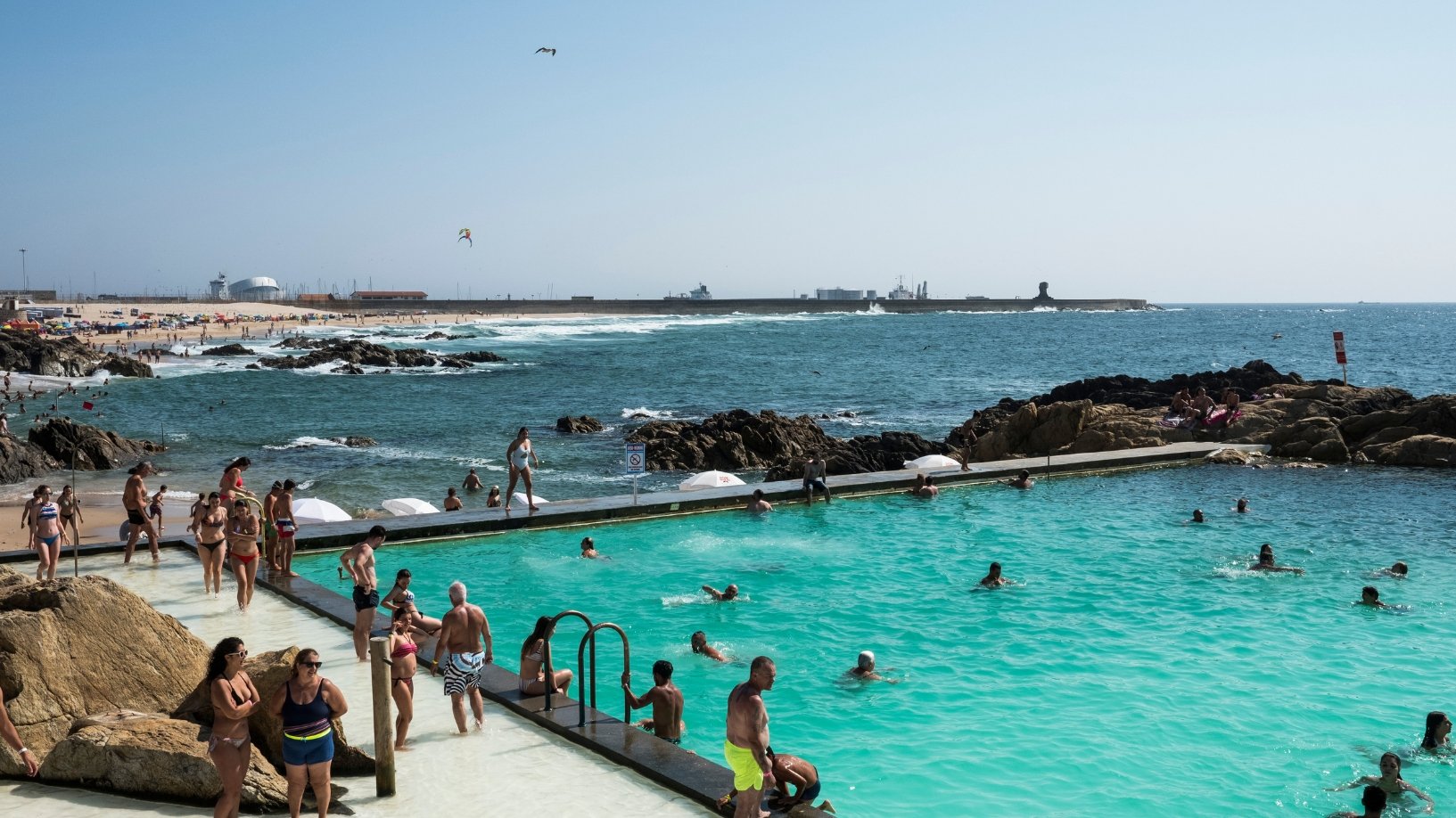
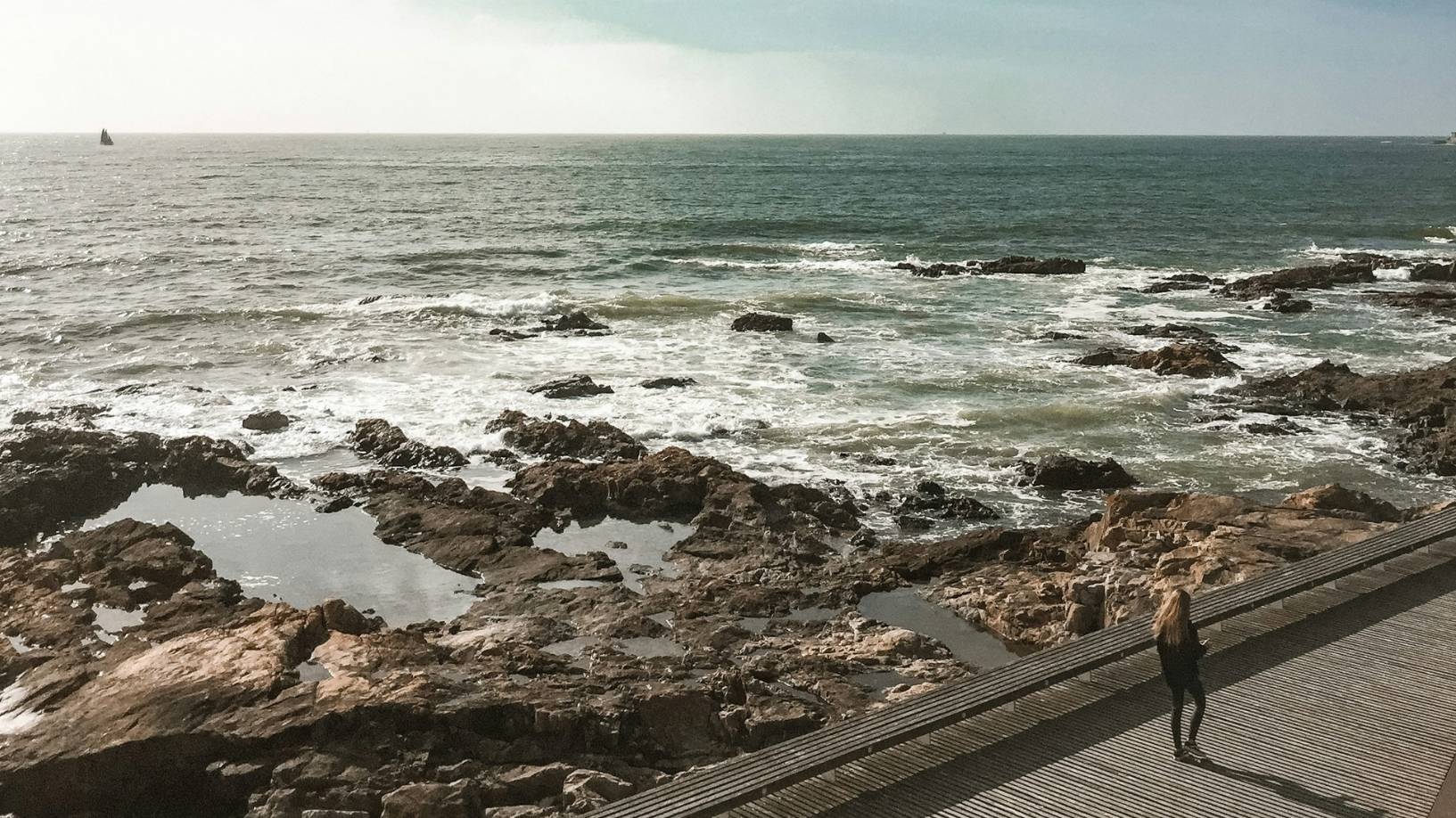
Built among the rocks of Leça da Palmeira, the Piscina das Marés is one of Álvaro Siza Vieira's most iconic architectural works.
Designed in the 1960s, opened in 1966 and classified as a National Monument in 2011, the complex features two saltwater swimming pools, one of which is designed for children.
Boa Nova Tea House
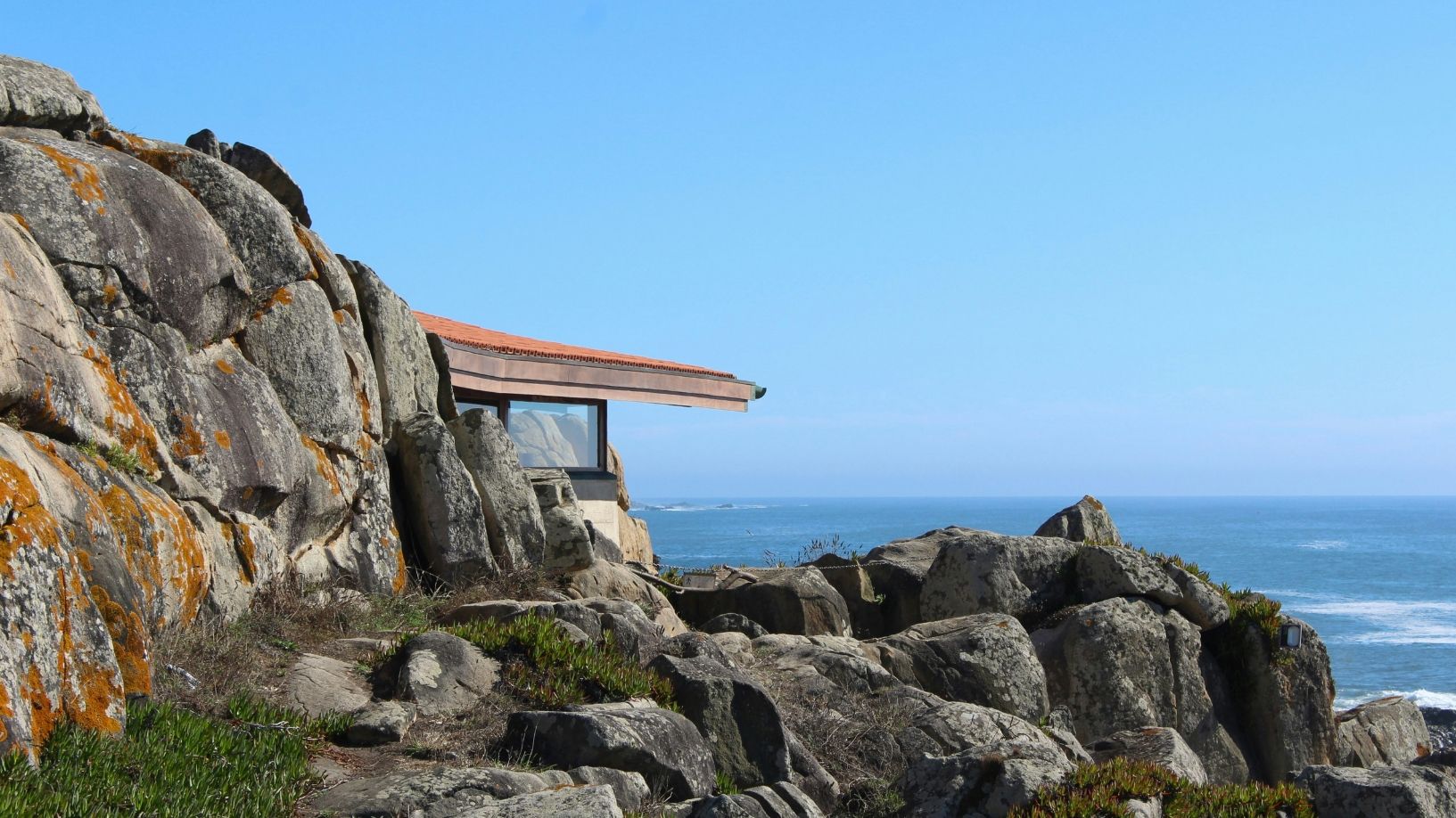
Also designed by Álvaro Siza Vieira, the Boa Nova Tea House stands directly on the rocks of Leça da Palmeira.
The relationship between the building, the natural terrain and the ocean has made it one of the defining works of the architect's early career.
Today, it is home to an award-winning restaurant, offering visitors the opportunity to combine architecture, coastal scenery and fine dining.
Casa da Arquitectura and the Real Vinícola complex
The former Real Vinícola winery, built between 1897 and 1901 and considered the first industrial facility in Matosinhos Sul, has been restored to house the Portuguese Centre for Architecture.
With exhibitions, archives, conferences and guided tours, it is a particularly important place to understand the role of architecture in shaping the municipality's contemporary identity.
Port of Leixões and Cruise Terminal
The port profoundly transformed Matosinhos and Leça da Palmeira.
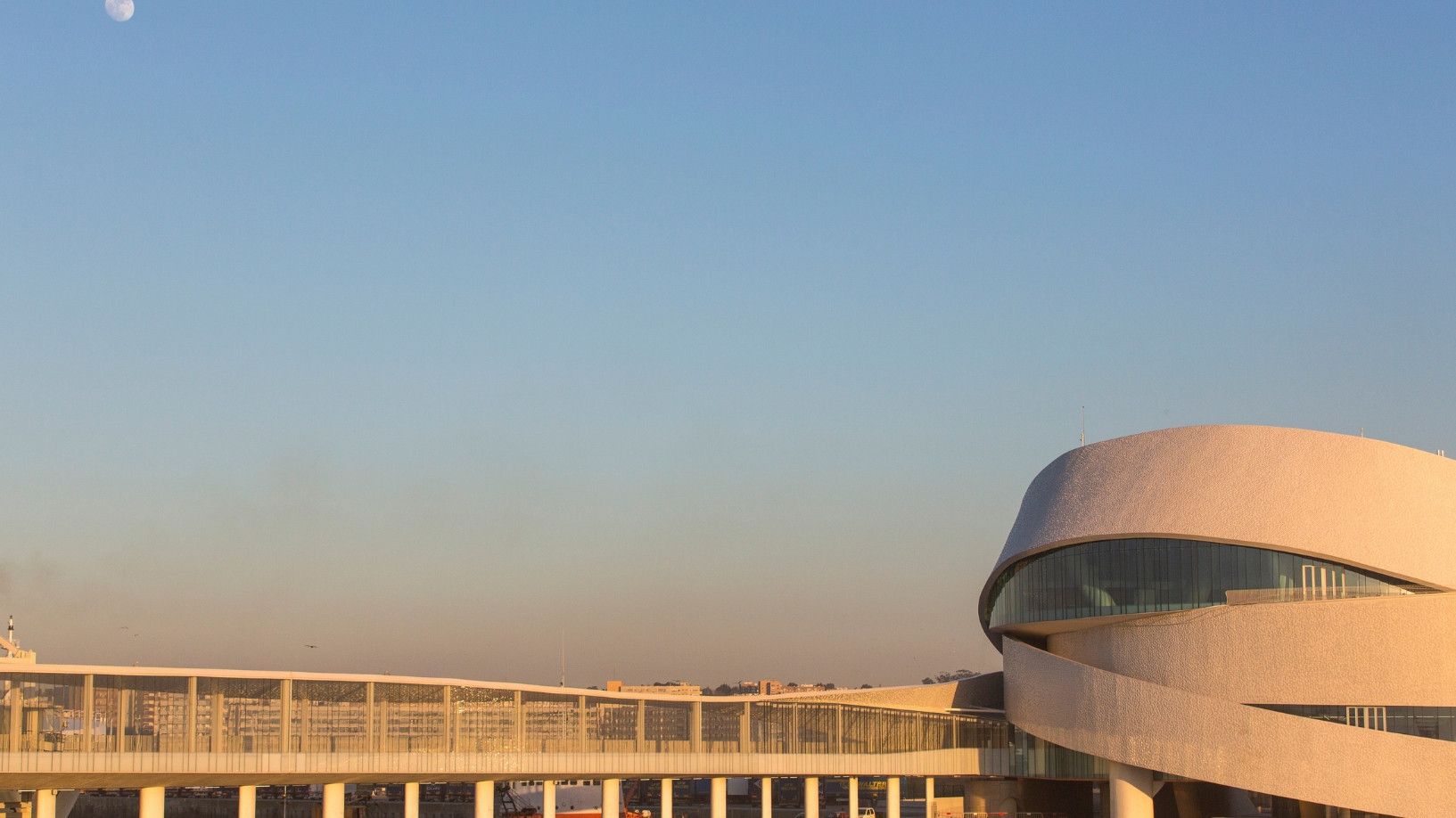
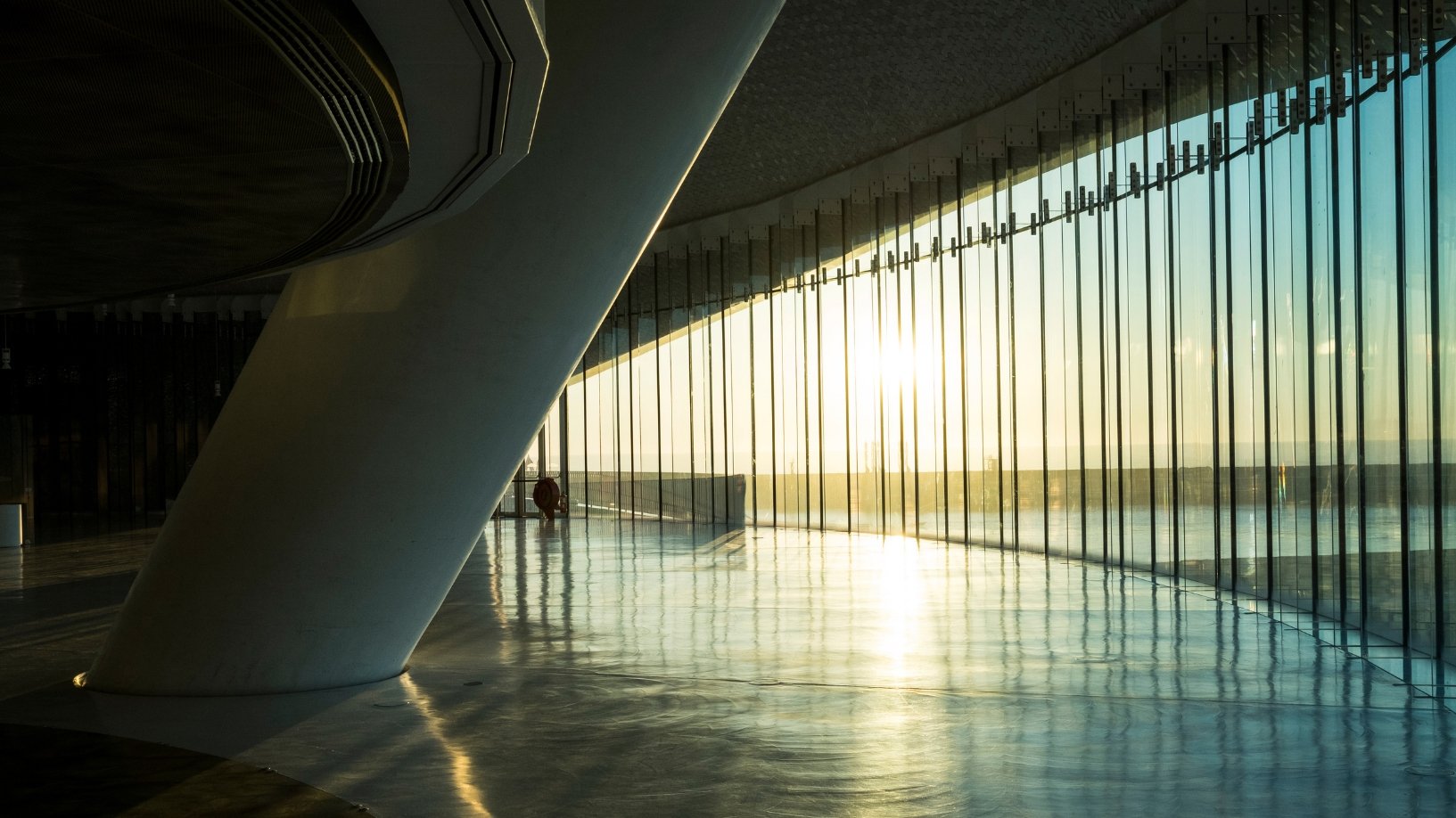
The current Cruise Terminal, inaugurated in 2015 and designed by Luís Pedro Silva, has become a new architectural landmark on the waterfront. The building also houses scientific research facilities and spaces for exhibitions and events, and is open to visitors.
Municipal Market and fish restaurant district
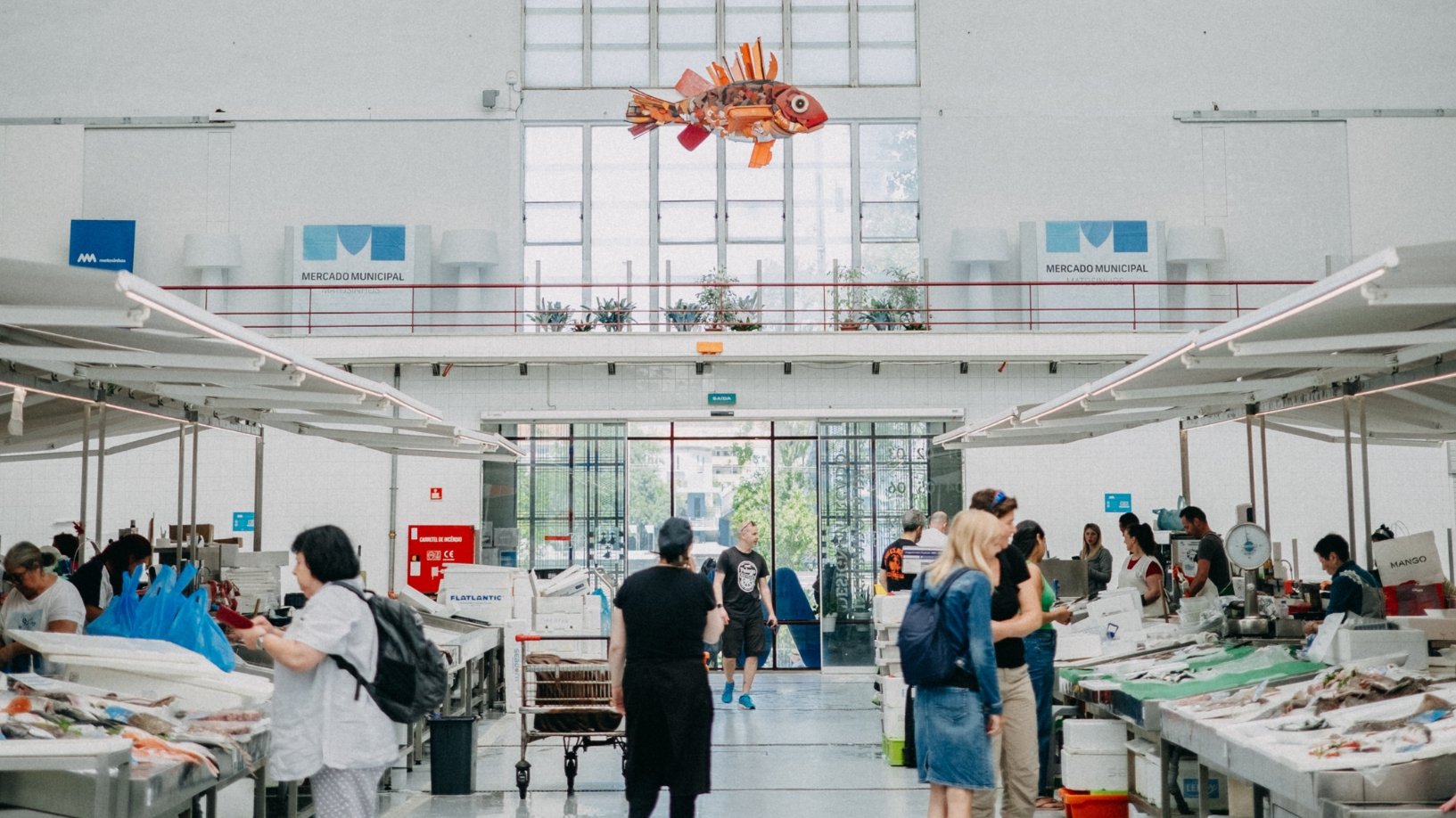
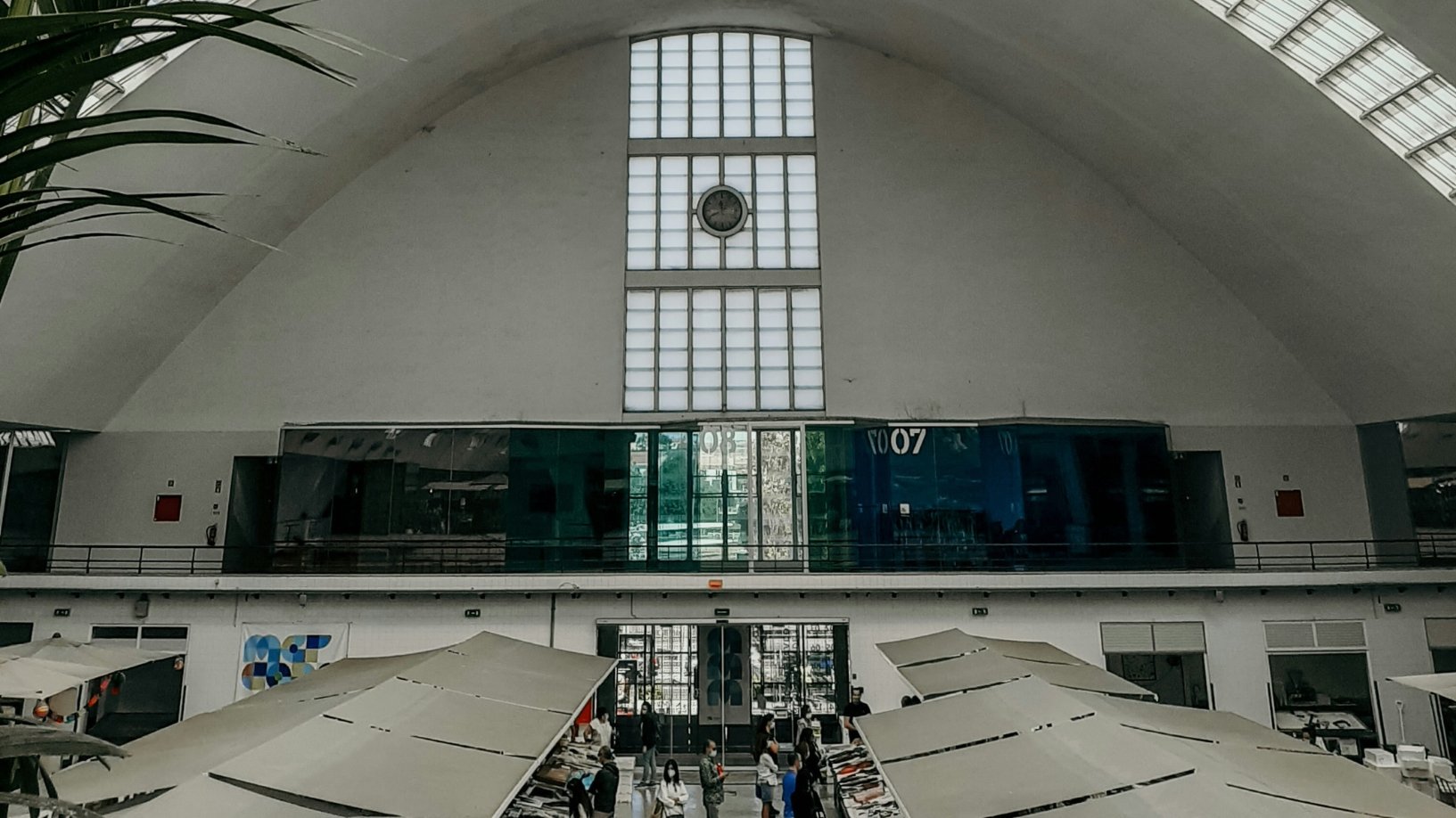
Matosinhos Municipal Market is both a commercial hub and an architectural landmark. The current building opened in 1952, and its large reinforced-concrete roof has made it one of the city's most recognisable buildings.
The surrounding streets, particularly around Rua Heróis de França and Avenida Serpa Pinto, are home to many of the city's fish and seafood restaurants.
Leça da Palmeira
Leça deserves more than a quick stop at the Piscina das Marés. Quinta da Conceição, the Quinta de Santiago Museum, the beach, seafront promenade, Boa Nova, the lighthouse, the Port of Leixões and several modern and contemporary architectural works offer plenty to explore on a dedicated itinerary.
Quinta da Conceição and Quinta de Santiago Museum
Quinta da Conceição features gardens, woodland, historic elements and a swimming pool designed by Álvaro Siza, within a site previously redesigned by Fernando Távora.
Nearby, the Quinta de Santiago Museum, housed in a late 19th-century residence, offers insights into the history and social transformations of Matosinhos and Leça da Palmeira.
Monastery of Leça do Balio
One of the municipality's most important medieval landmarks.
The present-day church has a distinctive fortress-like appearance, largely resulting from work carried out in the 14th century. Classified as a National Monument since 1910, it was historically associated with the Knights Hospitaller and the provision of assistance to pilgrims.
Matosinhos town centre and Bom Jesus
The town centre offers a glimpse into everyday life in Matosinhos.
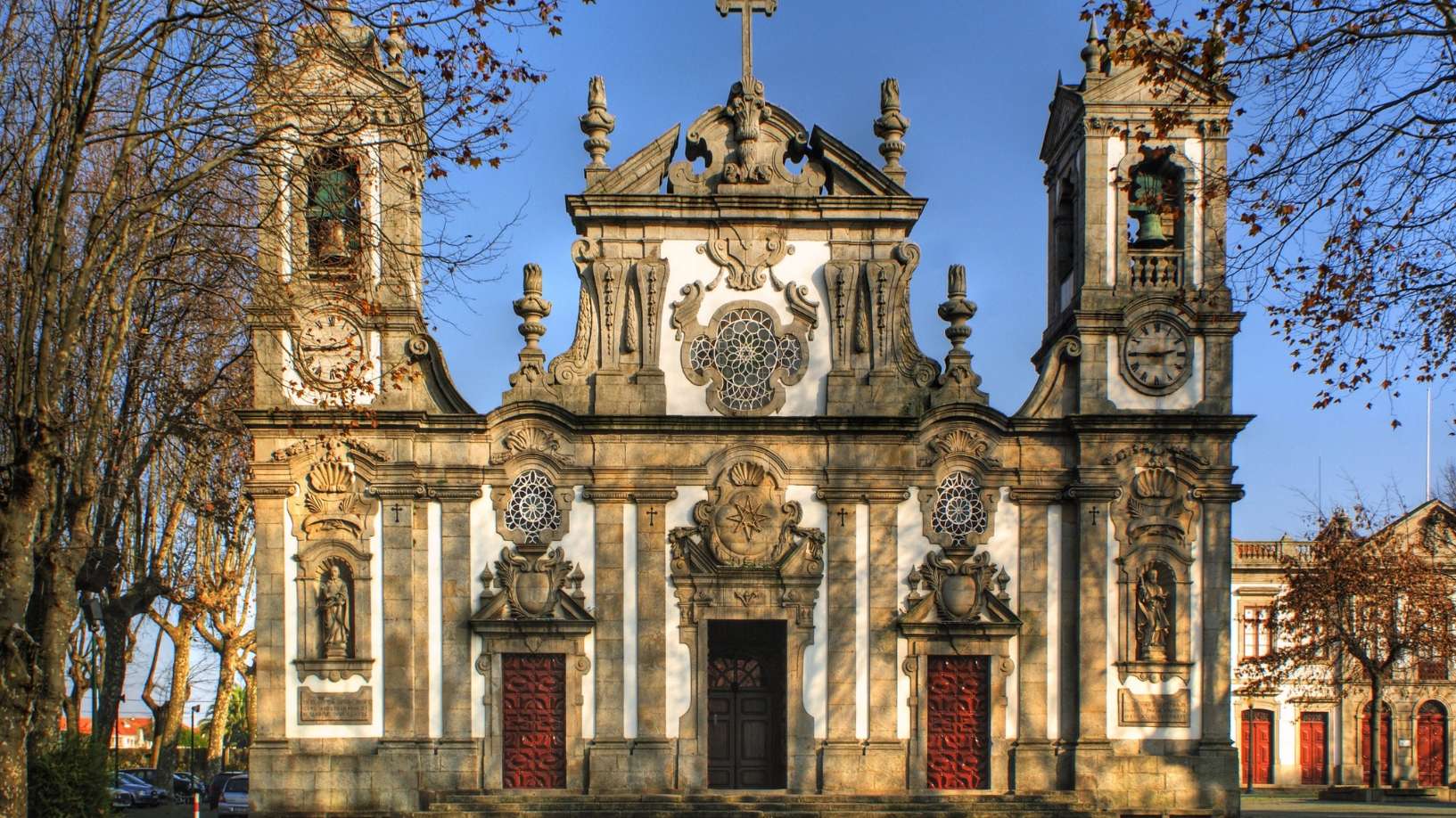
The Church of Bom Jesus de Matosinhos, Town Hall, Basílio Teles Park, Museu da Memória (Memory Museum) and shopping streets help tell the story of how the former town of Bouças developed into the modern city.
Praia da Memória
The obelisk beside the beach commemorates the landing of Liberal forces led by King Pedro IV on 8 July 1832, a decisive event in the Portuguese Liberal Wars. Today, the monument, beach and coastal boardwalks offer an opportunity to combine history with seaside scenery.
Lavra and Angeiras
Further north, the landscape becomes less urban. Angeiras retains strong ties to traditional fishing, with small boats, a fishing harbour, restaurants and a waterfront that continues along the beaches and boardwalks of Lavra.
It is an excellent area to discover a side of Matosinhos more closely connected to its coastal communities.
Areas and towns to explore
Matosinhos
The municipality's main urban and gastronomic centre. Matosinhos Beach, the Municipal Market, Rua Heróis de França, Casa da Arquitectura, the Church of Bom Jesus, MuMMa, the seafront promenade and the Cruise Terminal are all relatively close together and can be explored in a single day.
Leça da Palmeira
Arguably the municipality's most outstanding area for architecture and coastal scenery. The Piscina das Marés (Tidal Pools), Boa Nova, Quinta da Conceição, Quinta de Santiago Museum, lighthouse and beaches provide plenty to fill an entire day.
Lavra and Angeiras
A coastal area characterised by beaches, small communities and a long fishing tradition. Angeiras remains particularly closely associated with fishing and seafood gastronomy.
Perafita and Praia da Memória
Here, the history of Portuguese Liberalism meets the Atlantic coast. Praia da Memória, Cabo do Mundo, Aterro and the surrounding coastline can be explored along boardwalks and roads running close to the ocean.
Senhora da Hora
One of the municipality's most urbanised areas, with excellent public transport connections. Its station is an important interchange on the Metro network, making it easy to travel between Porto, central Matosinhos, Maia and the airport.
São Mamede de Infesta
Its proximity to Porto and the university campus makes this a predominantly urban area. The restoration of passenger services on the Leixões railway line has also strengthened its rail connections.
Leça do Balio and Custóias
The Monastery of Leça do Balio is the area's main heritage landmark, but visitors can also explore the River Leça and historic routes that once crossed the municipality. This area is also important for understanding Matosinhos' industrial and manufacturing heritage.
Guifões
The Castro do Monte Castêlo archaeological site is one of the municipality's most important archaeological landmarks. Excavations have revealed evidence of occupation beginning before the 5th century BC and continuing into Late Antiquity, with extensive trading connections during the Roman period.
Santa Cruz do Bispo
Its proximity to the Port of Leixões, Exponor, major road links and business districts gives it a distinct identity from the coastal areas. It is particularly important for business tourism, trade fairs and events.
Things to do in Matosinhos
Follow an architectural trail
The Piscina das Marés (Tidal Pools), Boa Nova Tea House, Quinta da Conceição, Casa da Arquitectura, Municipal Market and Cruise Terminal offer a journey through several decades of Portuguese architecture.
Enjoy fresh fish and seafood
Head to the Municipal Market, the restaurants around Rua Heróis de França, Leça da Palmeira or Angeiras, and make a memorable meal part of your itinerary.
Spend a day at the beach
Matosinhos, Leça, Boa Nova, Cabo do Mundo, Memória, Agudela and Angeiras are just some of the beaches to discover along the coastline.
Try surfing and other water sports
Matosinhos Beach is one of the most accessible places for beginners to learn to surf, while other stretches of coastline offer opportunities for different water sports, depending on the location and sea conditions.
Discover the industrial heritage
The Port of Leixões, the fish-canning industry, the former Real Vinícola winery and the brewing industry reveal how industrial development shaped Matosinhos. You can explore this heritage with a visit to Conservas Pinhais or the Super Bock Casa da Cerveja.
Walk along the coast
The coastline features an extensive network of boardwalks and walking routes, allowing visitors to explore different stretches between Leça da Palmeira, Perafita, Lavra and Angeiras.
Follow the Ways of St. James
Matosinhos lies along the Portuguese pilgrimage routes heading towards Minho and Galicia. The Monastery of Leça do Balio, Custóias and Senhora da Hora are among the important landmarks on the inland route.
Explore the River Leça
The Leça Green Corridor is gradually reconnecting local communities with the river through walking and cycling routes, offering a landscape quite different from the Atlantic coast. The area features approximately seven kilometres (4.3 miles) of cycling and walking paths.
Nature and green spaces in Matosinhos
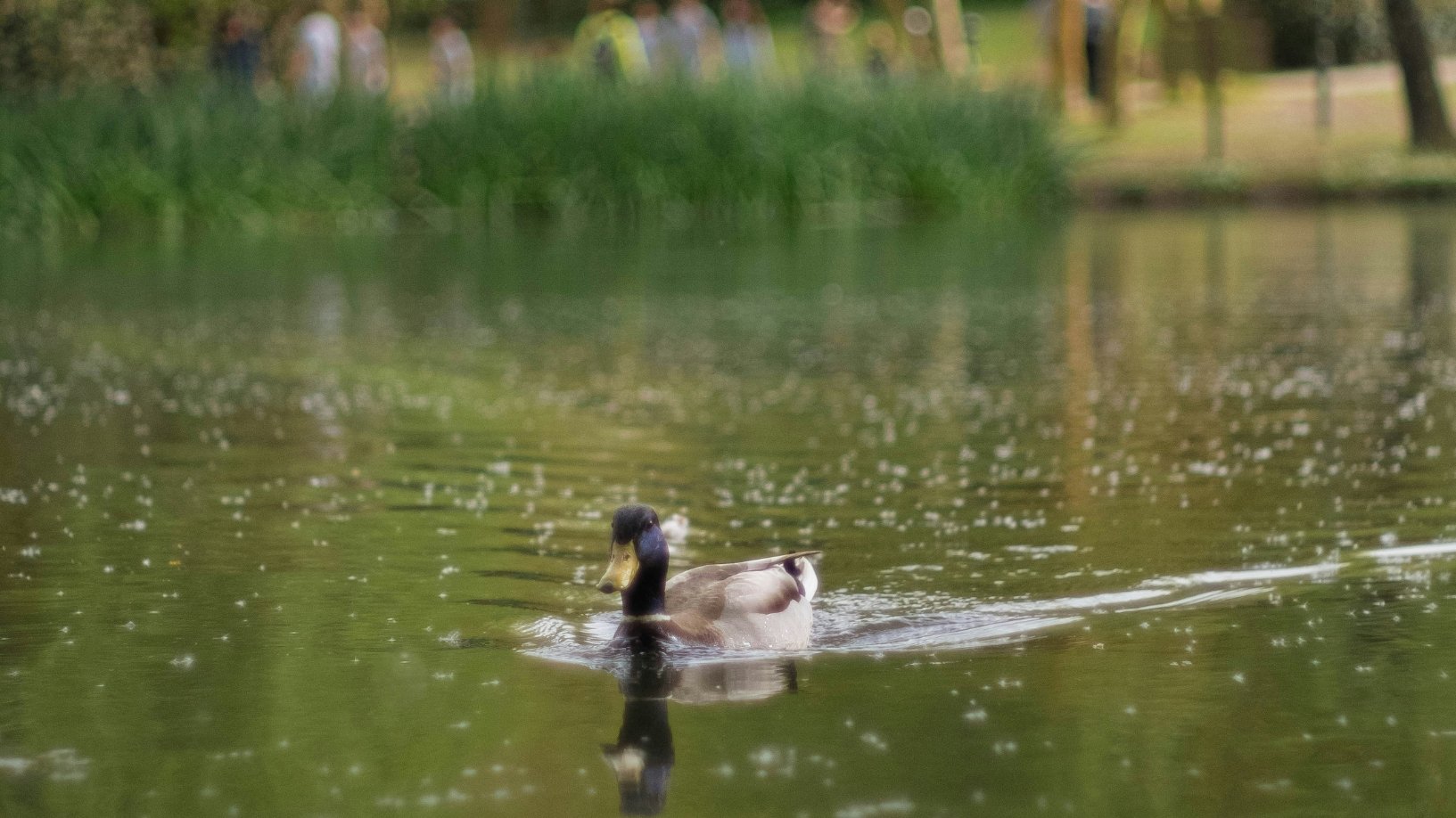
Matosinhos' natural landscapes are mainly shaped by the Atlantic Ocean, its coastline and a number of historic parks and urban green spaces.
Coastline
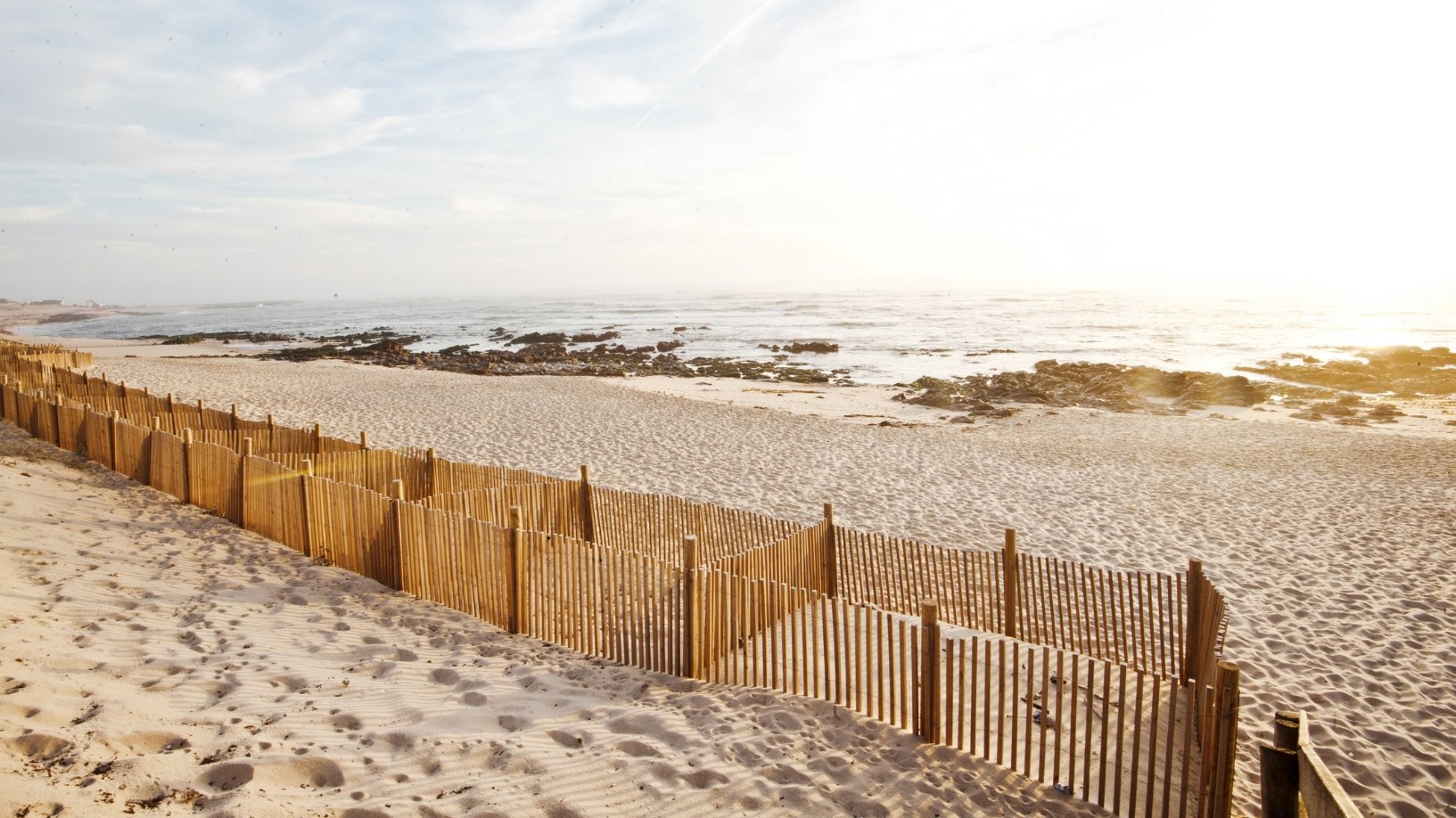
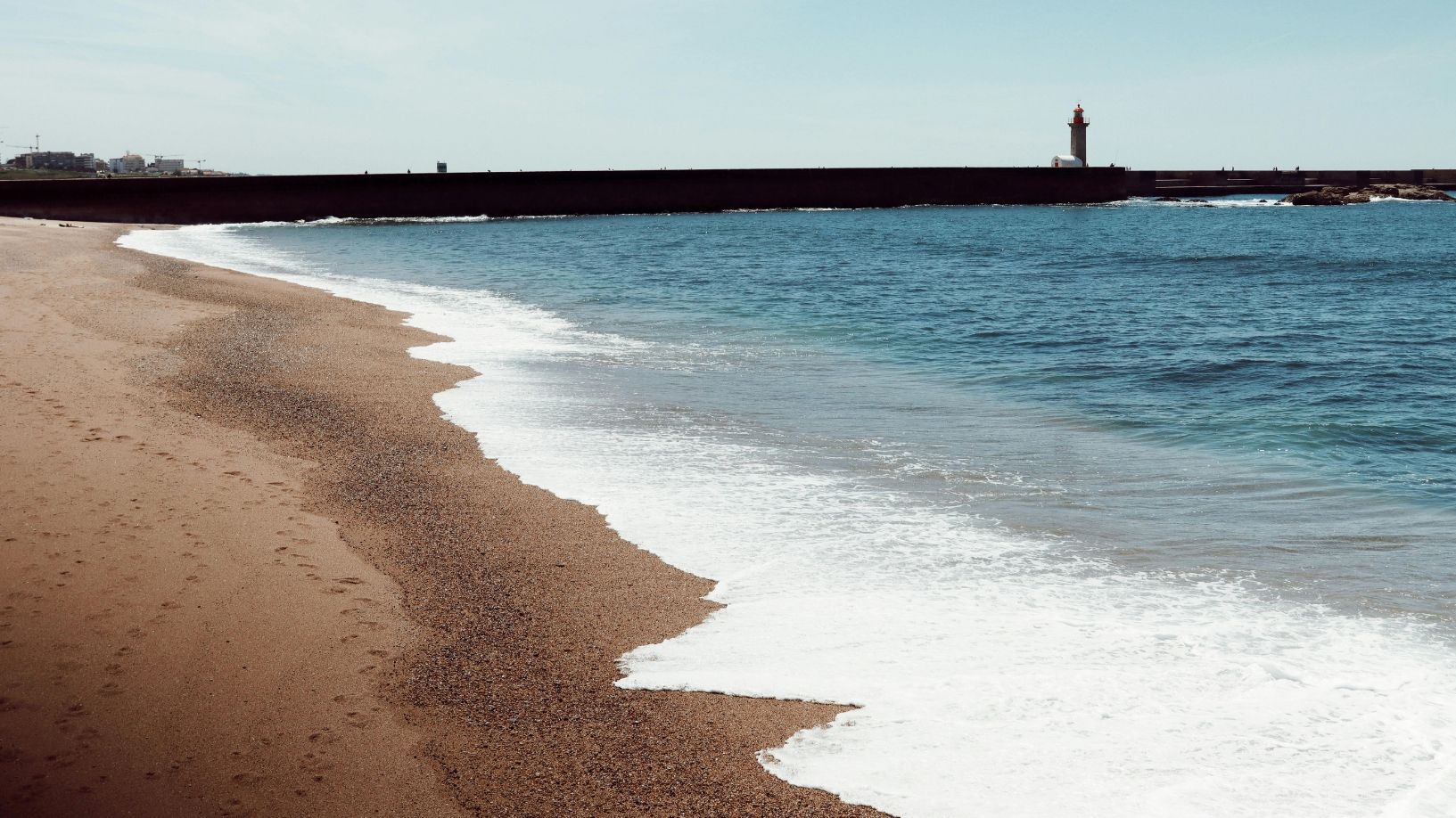
The coastline stretches for around 15 kilometres, bringing together sandy beaches, rock platforms, dunes, watercourses and urban areas. Boardwalks allow you to explore several stretches on foot, linking beaches, heritage sites and fishing communities.
Leça green corridor
The project is gradually restoring the riverbanks, linking green spaces and heritage sites with routes for walking and cycling. The local council currently reports around seven kilometres of cycle paths and walking trails along the corridor.
Quinta da Conceição
This historic estate, now a public park, combines wooded areas, gardens, heritage features, leisure spaces and sports facilities. Fernando Távora’s work on the site and the swimming pool designed by Álvaro Siza add to its architectural interest.
Parque de Real
Covering around 4.5 hectares, the park extends across a hillside near Hospital Pedro Hispano and the Metro line. It is an urban space designed to combine recreation, native vegetation and landscape restoration.
Parque Ecológico do Monte de São Brás
Close to the Leça valley, this area offers a chance to discover the natural scenery and heritage of inland Matosinhos.
Parque do Carriçal and other green spaces
Small parks and gardens dotted around the urban areas offer a chance to pause among greenery, even on a trip focused on culture or architecture.
Coastal biodiversity
Rock platforms, dunes, watercourses and the marine environment support a variety of habitats. When exploring the coast, do not remove any living organisms from the rocks or disturb sensitive areas.
Heritage and culture in Matosinhos
The history of the municipality unfolds through archaeology, medieval architecture, industry, the sea, art and the work of some of the leading figures in contemporary Portuguese architecture.
Modern and contemporary architecture
Matosinhos is one of Portugal’s leading destinations for architecture enthusiasts. Highlights include:
- Piscina das Marés
- Casa de Chá da Boa Nova
- Quinta da Conceição swimming pool
- Casa Roberto Ivens
- Municipal Market
- Casa da Arquitectura/Real Vinícola
- Matosinhos seafront
- Cruise Terminal
Casa da Arquitectura also organises dedicated tours of several works by Álvaro Siza in the municipality.
Mosteiro de Leça do Balio
The fortified church is an important example of the transition from Romanesque to Gothic architecture and was associated with the Order of Hospitallers. Its location on an ancient pilgrimage route reinforced its historical importance.
Bom Jesus de Matosinhos
Devotion to the Senhor de Matosinhos is deeply rooted in the city’s history. The church and religious festival help explain the development of the former settlement of Bouças and the links between faith, pilgrimage and local identity.
Castro do Monte Castêlo
Guifões preserves the remains of an important Iron Age and Roman settlement. Finds reveal trading links with various parts of the Roman Empire, tracing the history of today’s municipality back many centuries before medieval Matosinhos took shape.
Praia da Memória and the Liberal Wars
The landing of 1832 was one of the decisive events of the Liberal Wars. An obelisk now marks the site associated with the arrival of King Pedro IV’s army.
Port and industrial heritage
The construction of the Port of Leixões, canneries, factories, warehouses, the Titan crane and railway infrastructure transformed the area during the 19th and 20th centuries. Built and assembled in 1888, the Titan crane on the south breakwater has been restored and stands as a reminder of how the port’s breakwaters were built.
Museums and local history
Museu da Quinta de Santiago and MuMMa – Museu da Memória de Matosinhos explore the area’s historical and social development. MuMMa also displays finds from Castro do Monte Castêlo.
Art in public spaces
The relationship between art and landscape can be seen in works such as She Changes (Anémona), by the seafront, and the monument to the victims of the 1947 maritime tragedy. Installed in 2004, She Changes has become one of the waterfront’s most recognisable landmarks.
Food and drink in Matosinhos
If there is one municipality in the Porto Metropolitan Area where food is a reason to visit in its own right, it is Matosinhos.
What to eat in Matosinhos
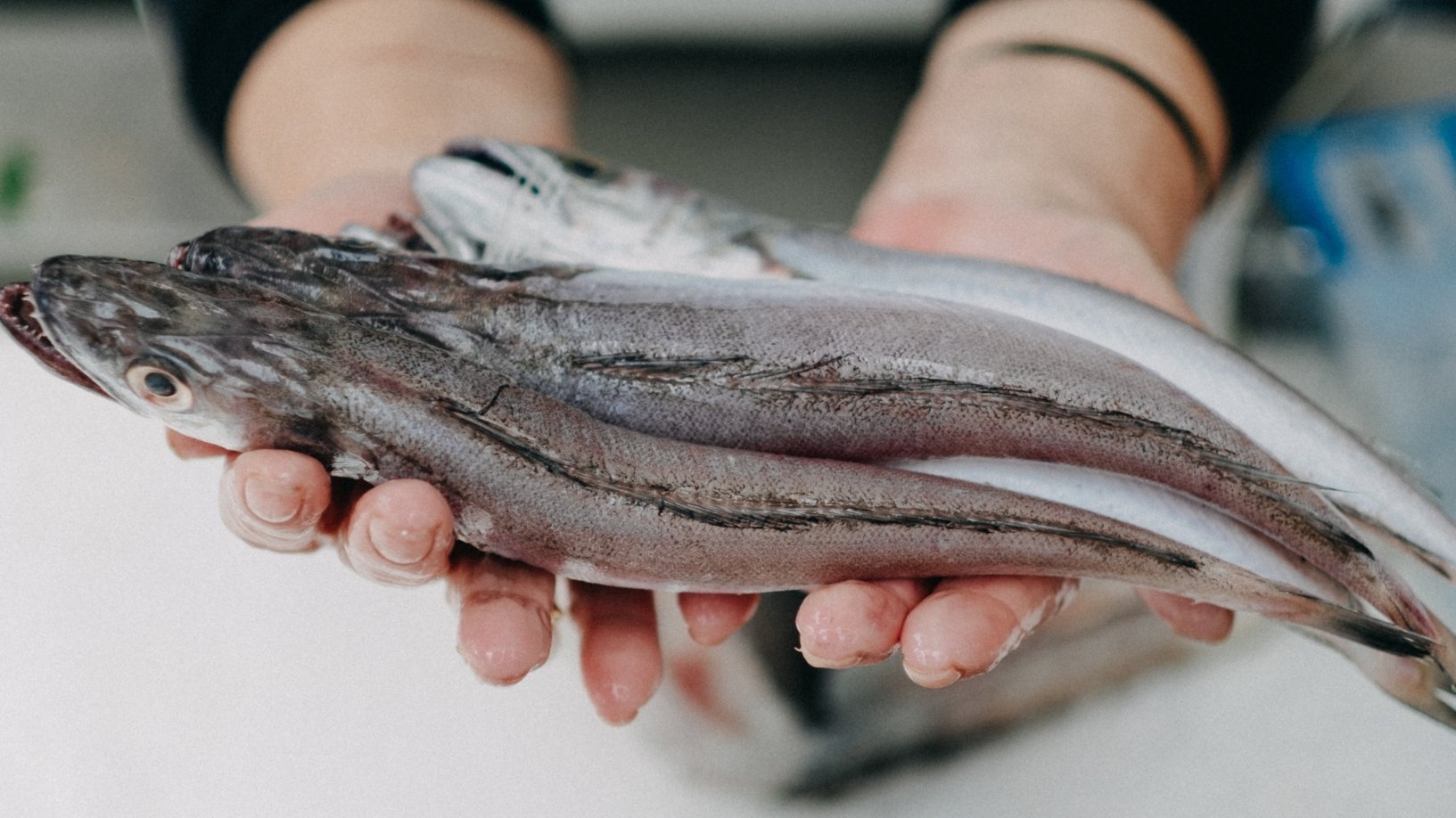
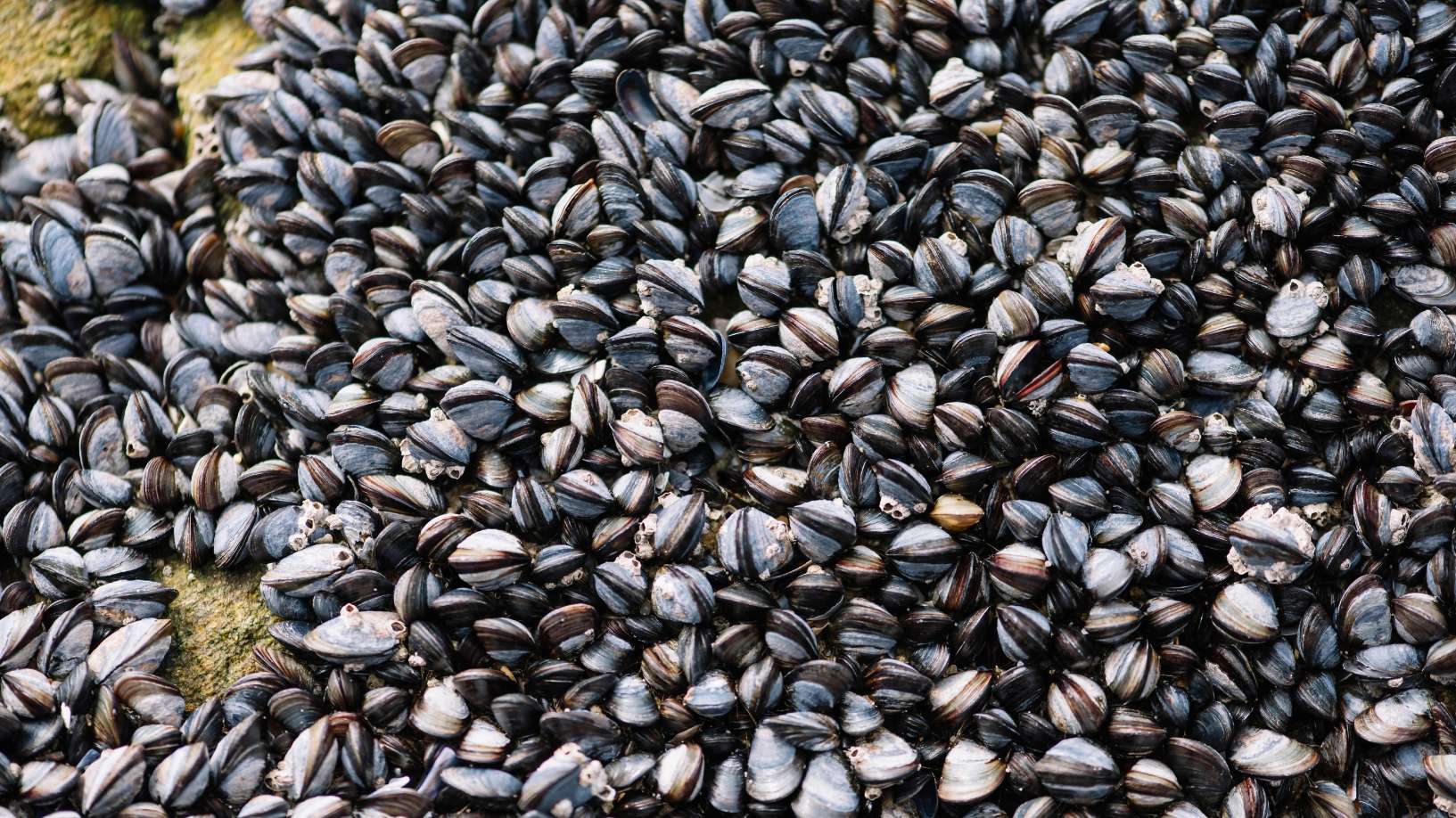
Fish naturally takes centre stage. Look out for grilled fish, sardines, sea bass, sea bream, octopus, squid, shellfish, fish stews and other traditional fish dishes. There is, of course, more to the local cuisine than seafood, but this connection with the Atlantic is what sets Matosinhos apart.
The restaurant streets
The areas around Rua Heróis de França and Rua Serpa Pinto are especially well known for their concentration of restaurants and grills set up beside the street.
Matosinhos Market
Fish, shellfish and other fresh produce reflect the city’s culinary identity. Inaugurated in 1952, the market remains an important local landmark.
Canned fish
Fish canneries played a central role in Matosinhos’ industrial development. Founded in 1923, Conservas Pinhais keeps this tradition alive, bringing together industrial heritage and food. The municipal archive identifies it as one of the municipality’s emblematic factories.
Beer and industrial heritage
In Leça do Balio, brewing adds another dimension to experiences linked to food and drink production. Super Bock Casa da Cerveja explores the history and brewing process at a complex that has operated in Leça do Balio since the 1960s.
Contemporary and award-winning cuisine
Matosinhos has also become known for contemporary, chef-led dining. In Leça da Palmeira, Siza’s architecture at Casa de Chá da Boa Nova is an integral part of the dining experience.
Beaches, the sea and water activities
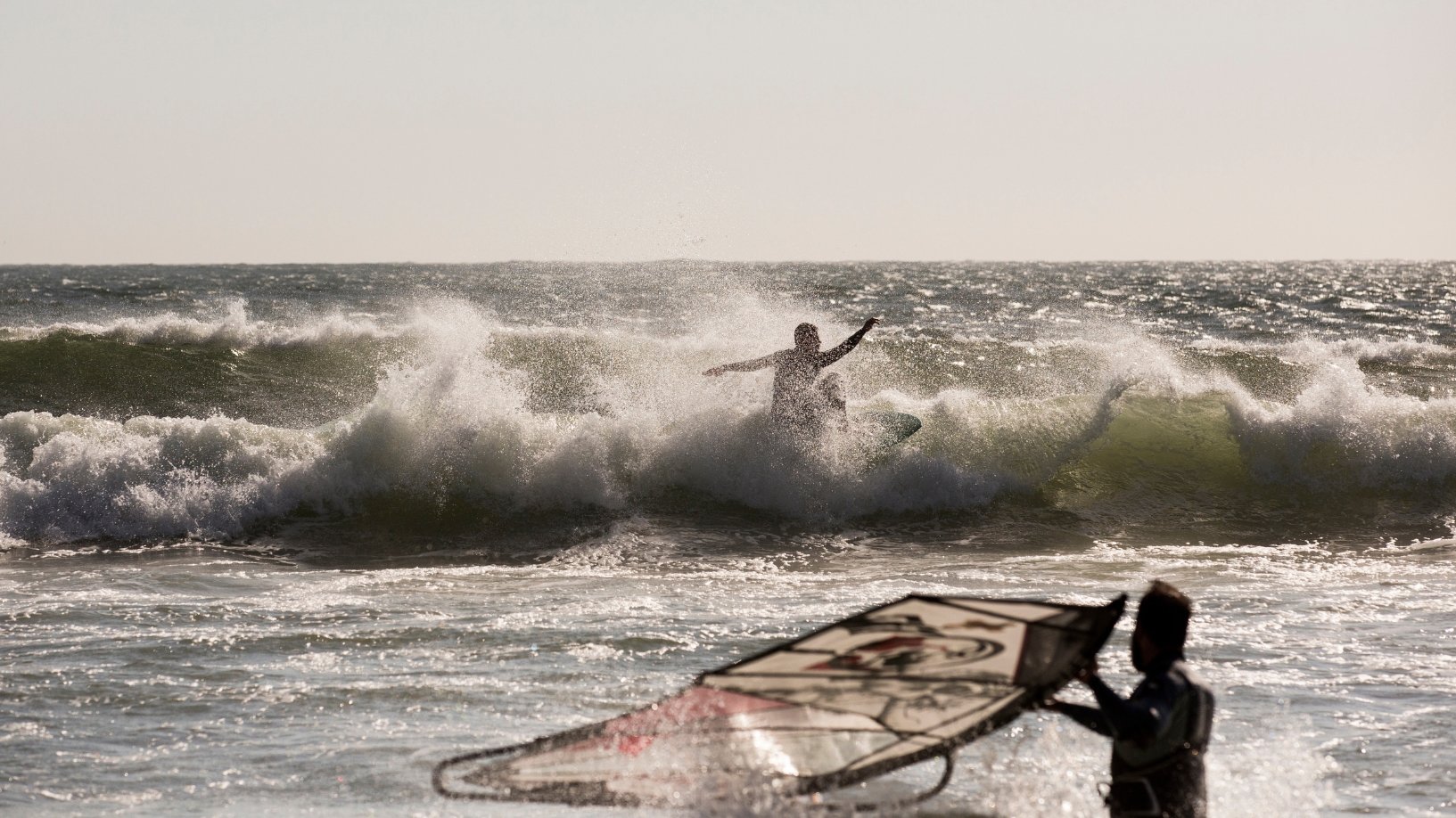
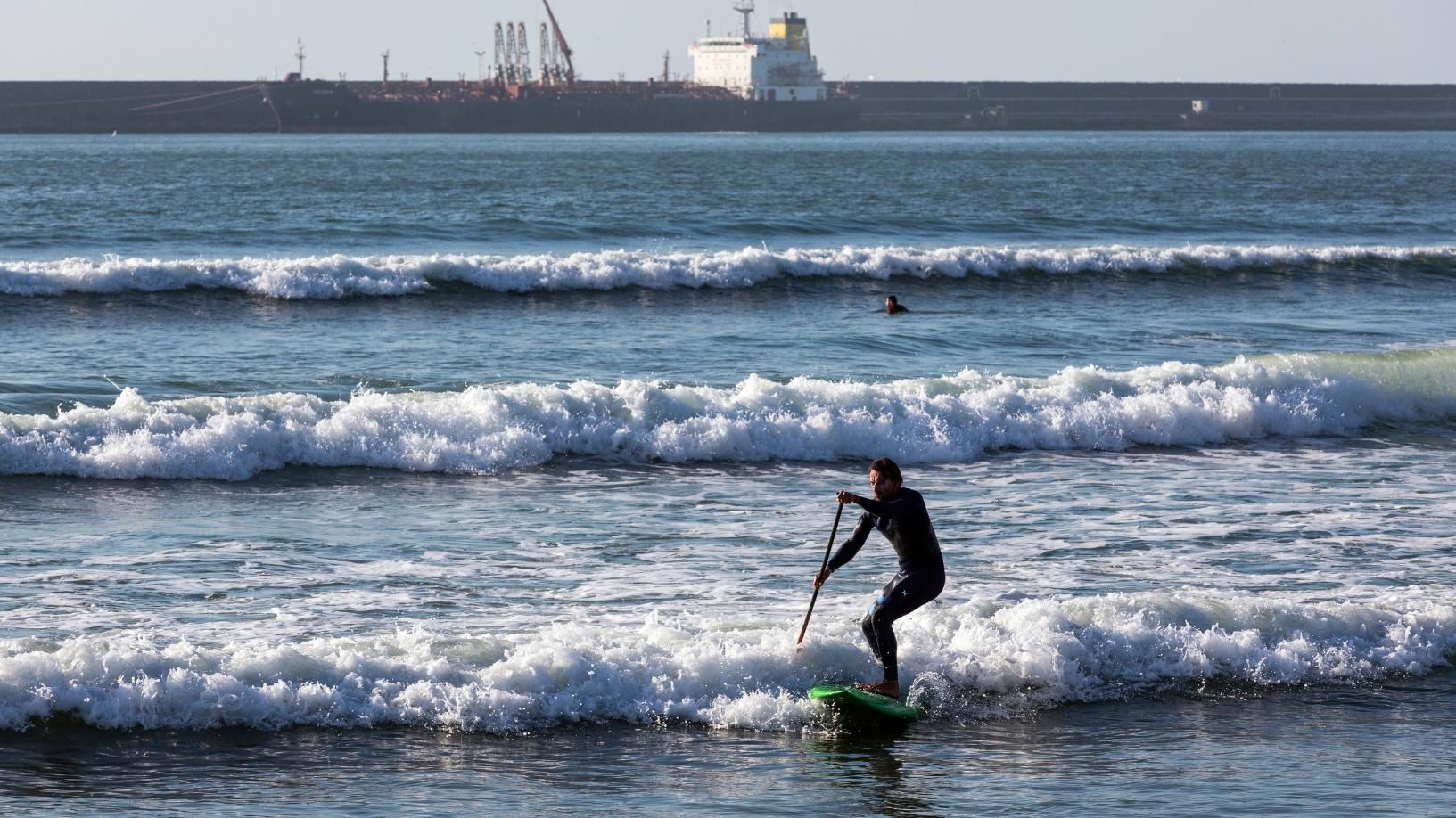
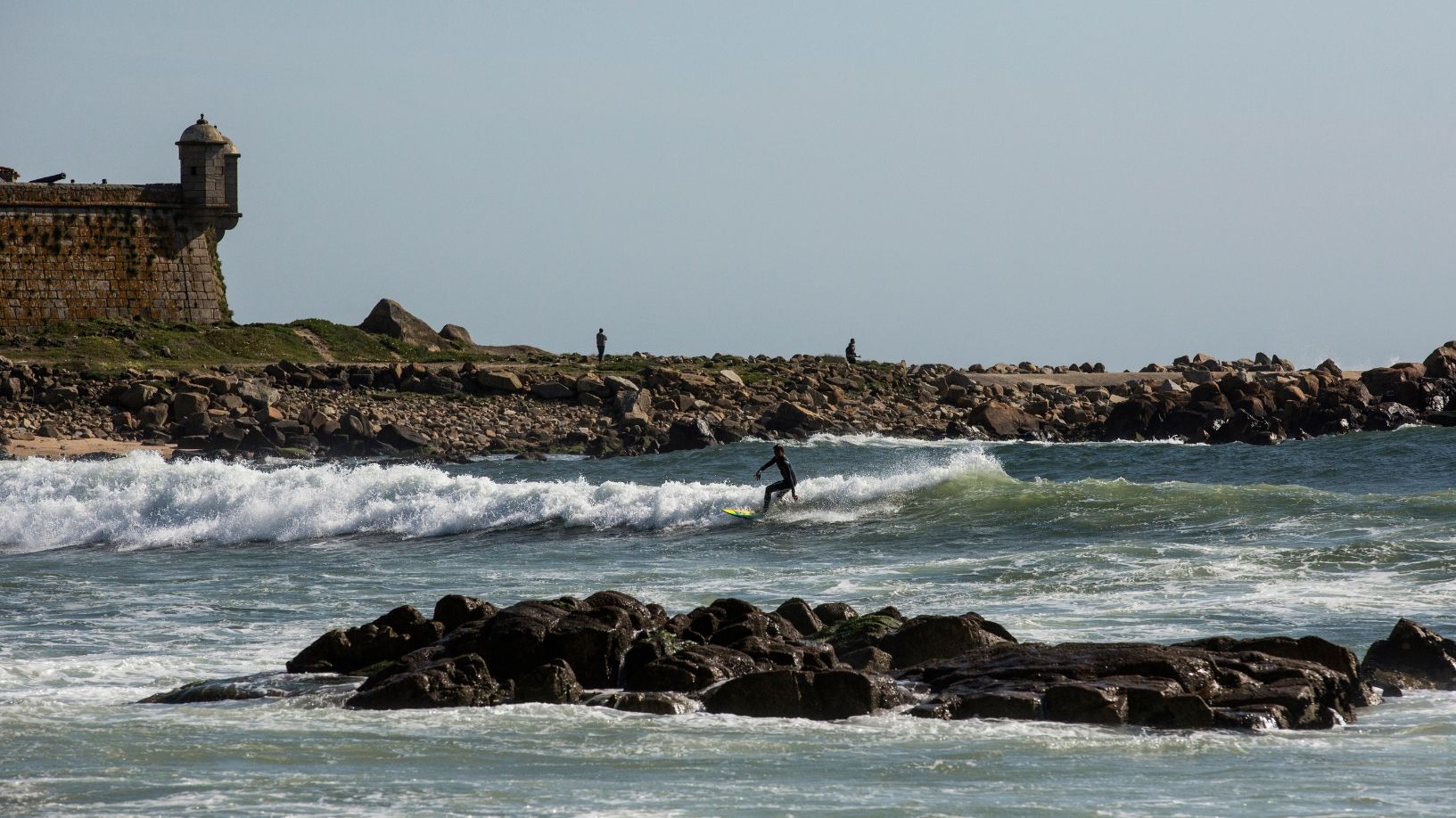
Praia de Matosinhos
The main urban beach is one of the most popular places to try surfing for the first time. Nearby Metro stations, restaurants and other amenities make it easy to include a visit to the beach in a trip without a car.
The beaches of Leça da Palmeira
Leça has several sandy beaches and bathing areas among the rocks, including Praia de Leça, Fuzelhas, Beijinhos and Boa Nova.
Beaches between Perafita and Lavra
Cabo do Mundo, Memória, Marreco, Quebrada, Agudela, Pedras do Corgo, Pedras Brancas, Funtão and Angeiras are among the beaches along the municipality’s northern coastline.
Surfing, bodyboarding, windsurfing and sailing
The municipal beach guide highlights surfing, bodyboarding, sailing and windsurfing along the coast, particularly outside the summer months.
Discover the board sports you can try in Porto and the North.
Port of Leixões and nautical experiences
The port brings cruise ships, sailing, leisure boating and maritime activity to the landscape. With a dedicated 340-metre quay, the Cruise Terminal is now one of the region’s main maritime gateways.
Boat trips
The proximity of Leixões, the Atlantic and the Douro makes it possible to include Matosinhos in a range of sea and river experiences.
Saltwater swimming pools
Piscina das Marés offers a distinctive way to enjoy seawater swimming. Check opening dates and conditions of use in advance, as the pools operate seasonally.
Routes and trails to explore Matosinhos
Portuguese Coastal Way
Matosinhos is on the Portuguese Coastal Way to Santiago de Compostela. The intermunicipal project involves Porto, Matosinhos, Maia, Vila do Conde, Póvoa de Varzim, Esposende, Viana do Castelo, Caminha, Vila Nova de Cerveira and Valença.
Portuguese Central Way
The central route also crosses the municipality before continuing through Vila do Conde and Póvoa de Varzim towards the Minho.
Álvaro Siza itinerary
Casa Roberto Ivens → Quinta da Conceição swimming pool → Piscina das Marés → Casa de Chá da Boa Nova
Maritime and industrial route
Market → former fish canneries → Port of Leixões → Titan crane → Cruise Terminal
Coastal route
Matosinhos → Leça da Palmeira → Boa Nova → Cabo do Mundo → Praia da Memória → Agudela → Angeiras
Leça green corridor
Riverside paths connect Leça do Balio, Guifões and other inland locations, offering a greener landscape to explore.
Essential Matosinhos
Praia de Matosinhos → Anémona → Market → Rua Heróis de França → Casa da Arquitectura → Port of Leixões
Matosinhos through architecture
Casa da Arquitectura → Market → Cruise Terminal → Quinta da Conceição → Piscina das Marés → Casa de Chá da Boa Nova
Atlantic Matosinhos
Leça da Palmeira → Boa Nova → Aterro → Cabo do Mundo → Praia da Memória → Agudela → Angeiras
Industrial and creative Matosinhos
Real Vinícola → fish canneries → Market → Port of Leixões → Cruise Terminal → Leça do Balio
Matosinhos with children
Beaches, parks, architecture and interpretation centres offer plenty of variety for a family visit.
Quinta da Conceição combines gardens and outdoor spaces; Parque de Real offers a green break in an urban setting; and the coast lends itself to walks for most of the year.
During the bathing season, choose beaches with lifeguard cover and check the services available for families and people with reduced mobility.
Casa da Arquitectura runs an educational programme that includes workshops and family activities.
The Cruise Terminal also offers visits, providing a different way to introduce children to architecture, the sea, ships and port activity.
Other possibilities include:
- Museu da Quinta de Santiago
- MuMMa
- Municipal Market
- The boardwalk route
- Piscina das Marés during its opening season
- Beaches
- Leça green corridor
- Surfing activities suited to children’s ages
Experiences to book in Matosinhos
Suggestions in Matosinhos
Where to eat in Matosinhos
Matosinhos has one of the region’s greatest concentrations of fish and seafood restaurants.
The streets around the port and Market are the natural choice for the dining experience most closely associated with the city, while Leça da Palmeira adds restaurants by the sea and contemporary cuisine.
Where to stay in Matosinhos
Events, conferences and business travel
Matosinhos has a particularly strong offering for trade fairs, conferences, corporate events and MICE, with the airport and Porto nearby and good road connections.
Getting to and around Matosinhos
By air
Francisco Sá Carneiro Airport is very close to the municipality, and part of its infrastructure extends into Matosinhos. You can reach the central areas by Metro, bus, taxi, ride-hailing service or transfer.
By Metro
Line A serves Matosinhos directly, connecting Senhor de Matosinhos station with Porto. Relevant stations include Senhor de Matosinhos, Mercado, Brito Capelo, Matosinhos Sul, Câmara de Matosinhos, Parque Real, Hospital Pedro Hispano, Estádio do Mar, Vasco da Gama and Senhora da Hora.
By bus
Matosinhos is covered by Lot 1 of the UNIR network, together with Maia and Trofa. Routes in the municipality mainly use numbers beginning with 50, providing local journeys and connections across the metropolitan area.
By car
The nearby A28, A4 and A41 motorways make the municipality easy to reach. A car is particularly useful if you want to explore several parts of the coast between Matosinhos, Leça, Perafita and Lavra in one day.
On foot
Matosinhos Sul, the Market, the beach and the main restaurant streets are easy to explore on foot. Leça da Palmeira also has several sights close enough to link together on a walk.
By bicycle
The seafront and coastal boardwalks offer opportunities for cycling, although you should choose sections according to the infrastructure available.
Accessible and responsible tourism in Matosinhos
Accessible tourism
The extensive coastline has received several awards under the Praia Acessível, Praia para Todos (Accessible Beach, Beach for All) programme.
In 2025, for example, 12 bathing areas in the municipality received recognition, including Matosinhos, Leça da Palmeira, Memória, Cabo do Mundo, Agudela, Marreco and Angeiras. Facilities may include ramps, boardwalks and amphibious wheelchairs. As these awards are annual, check the arrangements for the bathing season when you plan to visit.
Accessibility at museums, attractions and cultural venues should be checked individually.
Travelling responsibly
On the coast:
- Use boardwalks and marked access routes.
- Avoid walking on dunes.
- Follow beach flags and safety instructions.
- Do not leave litter.
- Check sea conditions before surfing or taking part in other activities.
In fishing areas and markets, respect the people working there and the way these spaces operate.
Choosing local restaurants, shops, canned fish products and community-based experiences helps keep the economic benefits of your visit in the local area.
Did you know…?
The municipality was called Bouças before it became Matosinhos
The change of name was requested in 1909, after the local authority concluded that Matosinhos had become more important than the former name of Bouças.
The Port of Leixões was once the world’s largest sardine port
According to the municipal archive, Leixões achieved international prominence in the sardine industry in 1937, during a period of strong demand.
Álvaro Siza began building in Matosinhos before completing his degree
The architect’s first project, a group of four houses on Avenida D. Afonso Henriques, was completed in 1954. Siza did not finish his architecture degree until the following year.
Real Vinícola had the region’s first steam-powered cooperage
The industrial complex that now houses Casa da Arquitectura included labelling, packaging and dispatch areas and a laboratory, as well as the region’s first steam-powered cooperage.
A German Second World War submarine lies off Matosinhos
U-1277 was deliberately scuttled by its commander in the early hours of 3 June 1945, off Cabo do Mundo.
It lies at a depth of around 30 metres and has become an artificial reef popular with divers.
Leça Lighthouse is the second tallest in Portugal
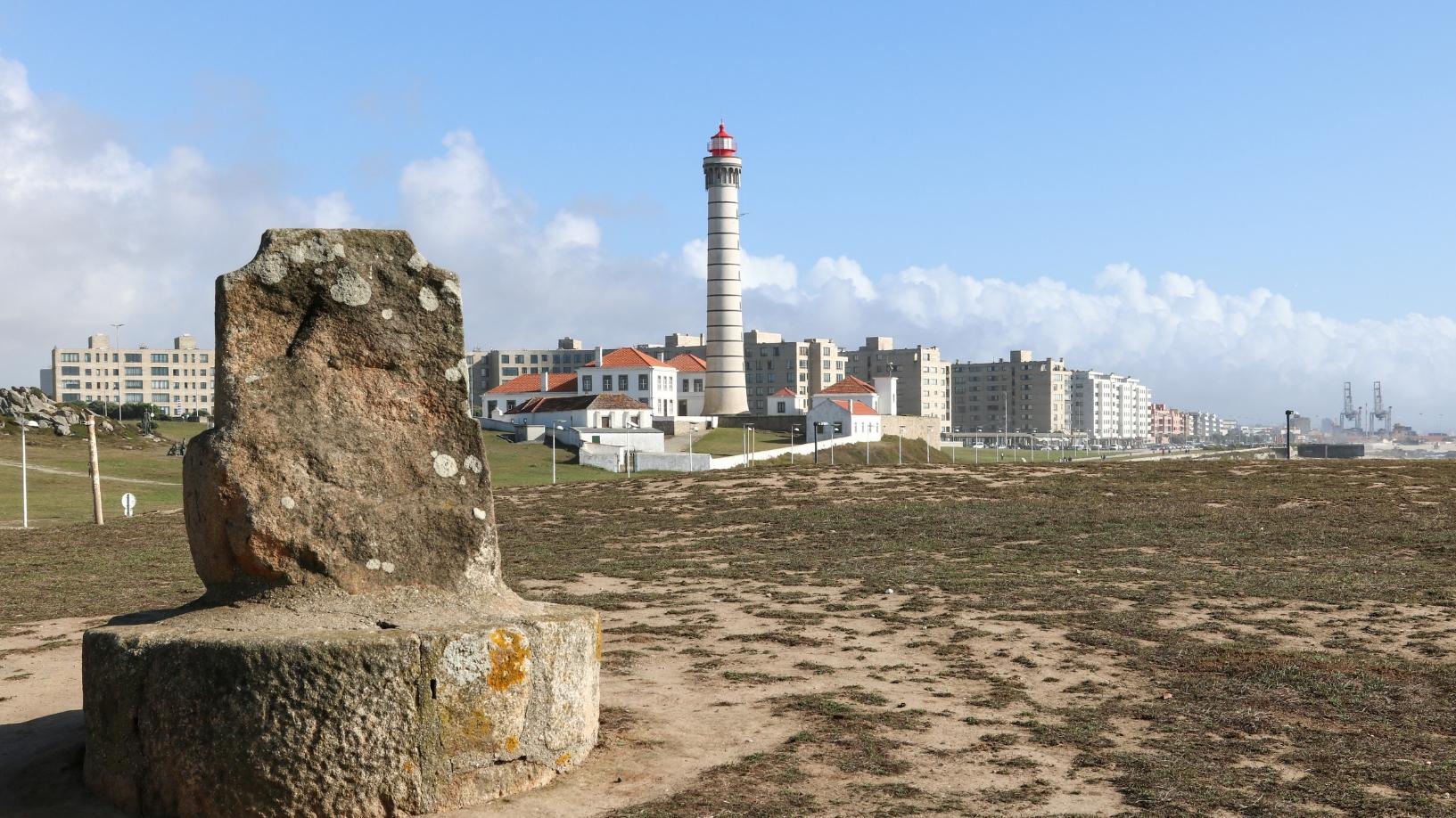
The tower of Boa Nova Lighthouse is 46 metres tall, making it the second tallest in the country.
The “Anémona” has a structure reaching 60 metres in height
She Changes has three large metal poles, one around 60 metres tall, and a net suspended from a ring 42 metres in diameter that changes shape with the wind.
Useful information about Matosinhos
Discovering Matosinhos means following the sea beyond the beach
In Matosinhos, the ocean explains a great deal, but not everything.
It is there in the fish auction, the port and the restaurants. In Piscina das Marés and Casa de Chá da Boa Nova. In the canneries, fishing communities, surfing and paths along the coast.
But the journey also takes in architecture, art, monasteries, industrial heritage and small communities, revealing a place far more varied than its familiar image of beaches and fish might suggest.
You can start at the Market, head towards the sea, explore Leça da Palmeira through Siza’s works, continue along the coast to Praia da Memória and finish in Angeiras. Or take the route in reverse and discover Matosinhos at your own pace, with the Atlantic as your guide.