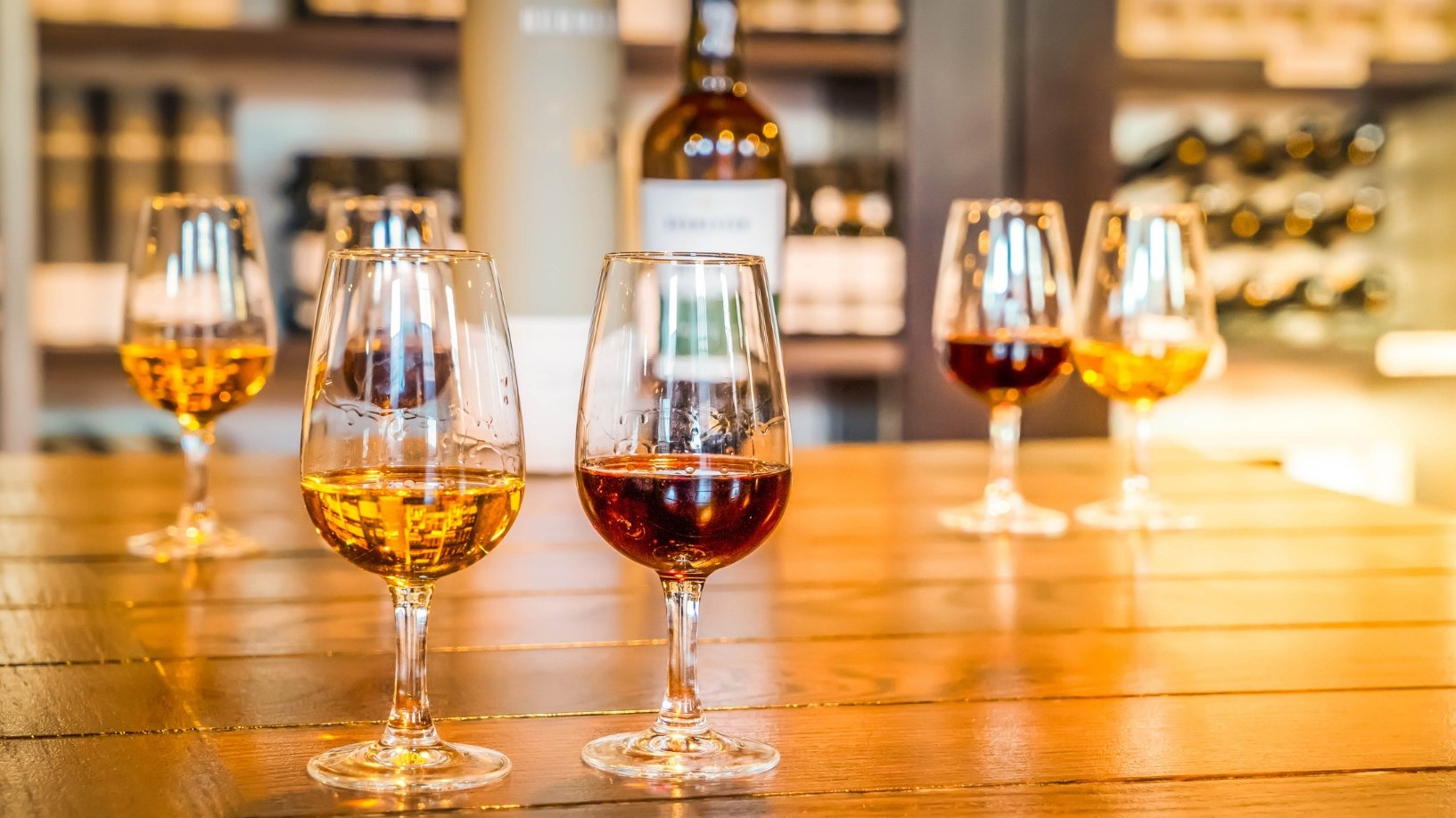
Port wine: cellars, wine estates and experiences
Gastronomy
What to Do
There are few better ways to discover Porto and Northern Portugal than by following the story of Port wine.
The journey begins long before reaching the city that gave the wine its name. On the slopes of the Douro Valley, among terraced vineyards, schist walls and centuries-old wine estates, the grapes used to produce this famous wine are grown. The story continues downstream to Porto and Vila Nova de Gaia, where the wine trade shaped the landscape, economy and identity of both banks of the river for centuries.
Today, there are many ways to experience this heritage: stepping inside a wine cellar lined with enormous wooden vats, tasting different styles of Port, walking through vineyards in the Douro, taking part in the grape harvest, enjoying a boat trip, visiting places dedicated to wine culture or simply sitting by the river with a glass of Port.
This guide brings together everything you need to discover Port wine as a visitor: where it comes from, how it is produced, the different styles available, which wine cellars to visit in Vila Nova de Gaia, which wine estates to explore in the Douro and the experiences you can combine on a trip to the region.
Port wine: key information
|
Information
|
Details
|
|---|---|
|
Where is it produced?
|
Douro Demarcated Region
|
|
Year established
|
1756
|
|
Designation of origin
|
DO Porto
|
|
Main styles
|
Ruby, Tawny, White and Rosé
|
|
Special categories
|
Vintage, LBV, Colheita, age-indicated Tawny, among others
|
|
Where can you visit Port wine cellars?
|
Vila Nova de Gaia
|
|
Where can you explore the vineyards?
|
Douro Demarcated Region
|
|
Best time to experience the grape harvest
|
Late summer and early autumn
|
|
UNESCO World Heritage Site
|
Alto Douro Wine Region, since 2001
|
Port wine can only bear this designation if it is produced in accordance with the regulations of the Douro Demarcated Region and certified by the Instituto dos Vinhos do Douro e do Porto (IVDP).
What exactly is Port wine?
Port wine is a fortified wine with Protected Designation of Origin (PDO) status, produced in the Douro Demarcated Region.
Its most distinctive characteristic comes from the winemaking process. Fermentation is interrupted by adding certified grape spirit, preserving some of the grapes' natural sugars and increasing the wine's alcohol content.
The result is an exceptionally diverse range of styles, from fresh, dry whites to Tawnies aged for decades and Vintage Ports designed to mature over many years in the bottle.
But to truly understand Port wine, you need to discover two inseparable places: the Douro Valley and Porto/Vila Nova de Gaia.
From the Douro to Vila Nova de Gaia: a story of two regions
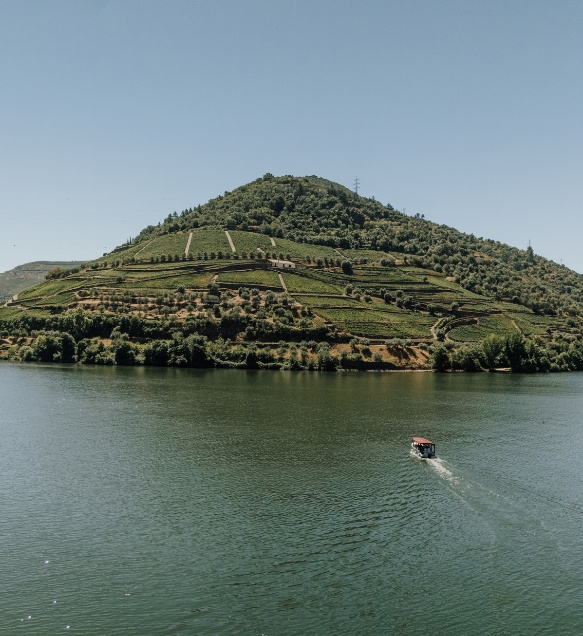
It all begins in the Douro
The Douro Demarcated Region covers approximately 250,000 hectares and is divided into three main sub-regions: Baixo Corgo, Cima Corgo and Douro Superior. Mountains, deep valleys, predominantly schist soils and challenging climatic conditions have helped shape a wine-growing landscape unlike any other.
Wine has been produced in this region for around 2,000 years. Over the centuries, the need to cultivate vines on steep hillsides has profoundly transformed the landscape, creating the terraces, vineyards, wine estates and paths that define the Douro today.
In 2001, the Alto Douro Wine Region was inscribed on the UNESCO World Heritage List as an evolving, living cultural landscape, shaped by the enduring relationship between local communities and wine production.
Why is it called Port wine?
Although it is produced in the Douro, it was through Porto that this wine reached the rest of the world.
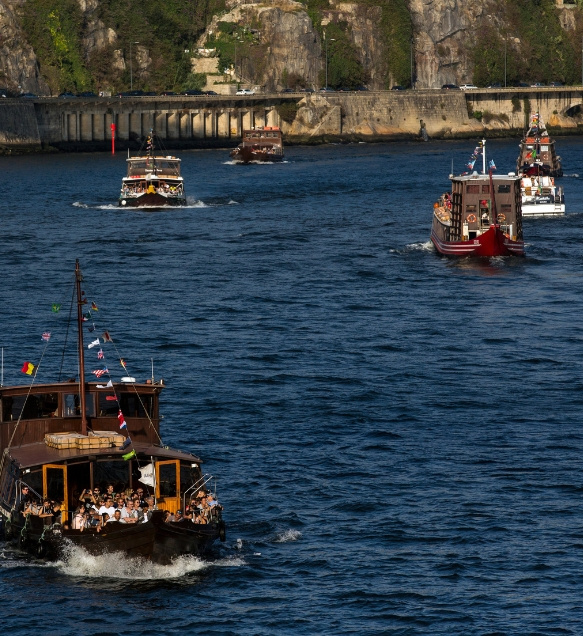
For centuries, barrels of Port wine were transported down the river aboard traditional rabelo boats, from the wine-producing region towards the river's mouth. Exporting houses established their warehouses in Vila Nova de Gaia, taking advantage of the proximity to the commercial port and the more moderate conditions for storing and ageing wine.
Today, Port wine can be aged either in the Douro Region or in the wine lodges of Vila Nova de Gaia, depending on the intended style and ageing process. However, Gaia remains home to the historic cellars of many of the leading Port wine houses.
Although rabelo boats no longer transport wine barrels as they once did, they remain a familiar sight along both banks of the river and an enduring symbol of Port wine's history.
Did you know…?
1678 is the date of the earliest known customs record to use the term “Port wine”. Several decades later, in 1756, the General Company of Agriculture of the Upper Douro Vineyards was established, and the wine-producing region was officially demarcated.
The Douro Demarcated Region is considered the world's first Designation of Origin and the oldest demarcated and regulated wine-producing region, having combined a clearly defined production area with specific rules, controls and a regulatory authority.
How is Port wine made?
Understanding the production process helps explain why two Port wines can look and taste so different.
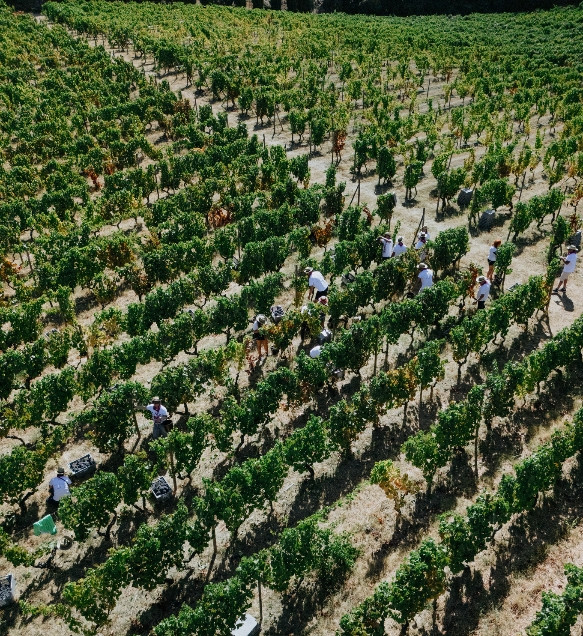
1. It all begins with the grape harvest
The grape harvest usually takes place between August and October, depending on when the grapes ripen and the conditions each year.
Due to the steep slopes of many Douro vineyards, grapes are still often harvested by hand.
2. The grapes are crushed and fermentation begins
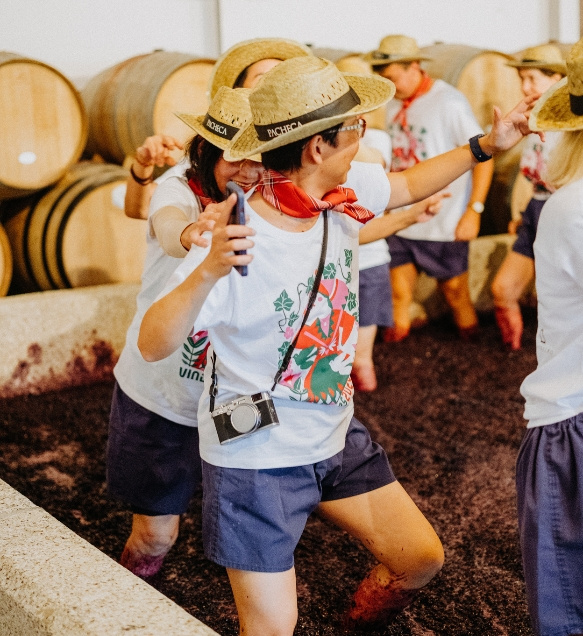
Once selected, the grapes are transferred to traditional lagares (shallow fermentation tanks) or modern vats.
Traditional foot treading in granite lagares is still used in some wineries, although modern facilities also employ mechanical systems and robotic lagares.
3. Fermentation is stopped
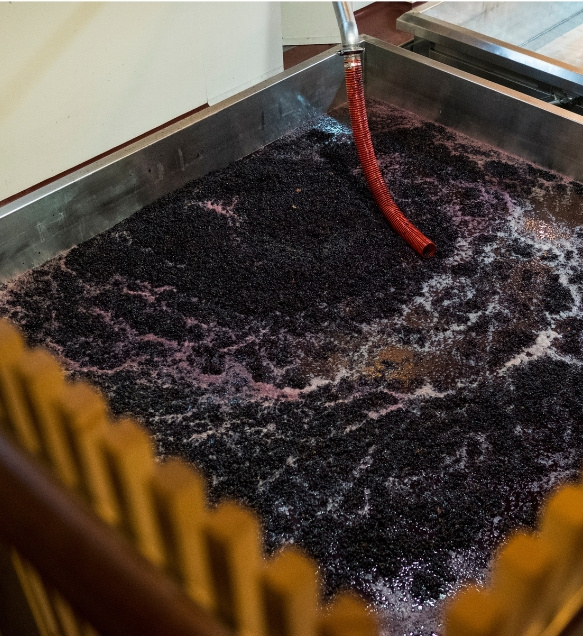
When the grape must reaches the desired level of sweetness, grape spirit is added.
This stops fermentation, leaving some of the grapes' natural sugars in the wine.
4. The ageing process begins
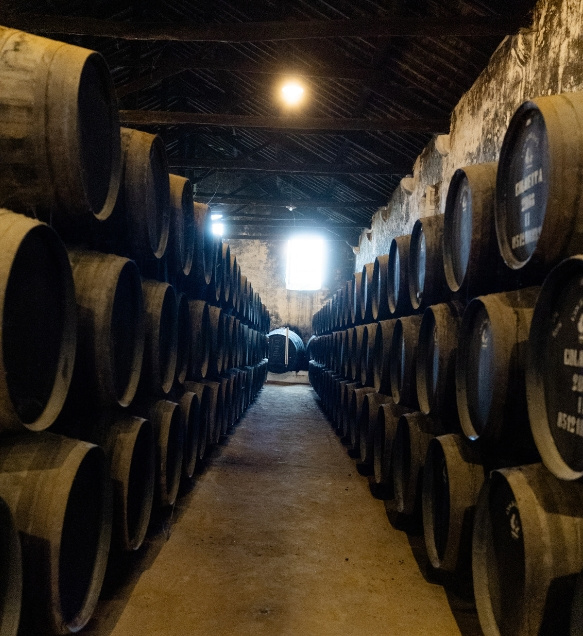
This is where the different styles of Port wine begin to take separate paths.
Larger wooden casks and vats limit contact with oxygen, helping to preserve the fruity character typical of Ruby Ports. Smaller barrels allow greater micro-oxygenation, encouraging the distinctive development of Tawny Ports, with aromas and flavours reminiscent of nuts, spices and caramel.
5. Blending, classification and certification
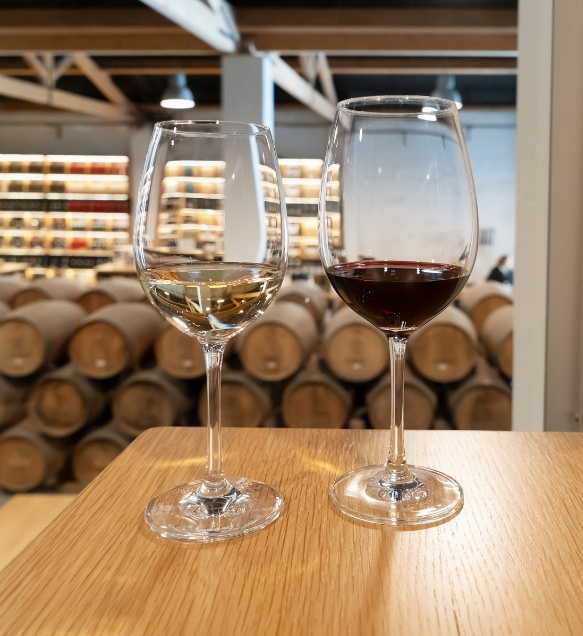
Throughout the ageing process, the wines are assessed and may be combined through the art of blending.
Before being released onto the market, they undergo certification by the IVDP (Port and Douro Wines Institute).
What are the different types of Port wine?
Port wine cellars: which ones should you visit in Vila Nova de Gaia?
Crossing the Luís I Bridge and exploring the Port wine cellars is one of the essential experiences of a visit to Porto.
Most Port wine houses offer tours of their ageing cellars, explain the differences between the various styles and finish with a tasting. Some also offer museums, gastronomic experiences, fado performances, masterclasses or tastings of rarer wines.
Rather than trying to visit several cellars in a single day, it is worth choosing different experiences and taking your time to enjoy each tasting.
Discover the other side of the story: visit the wine estates in the Douro
While Vila Nova de Gaia reveals the ageing process, the wine trade and the historic Port wine houses, the Douro takes you back to where it all begins.
Walking among the vineyards gives you a sense of the steepness of the slopes, the challenges of working the land and the relationship between climate, soil and wine.
A visit to a Douro wine estate can include tastings, walks through the vineyards, tours of wineries and traditional lagares, local gastronomy and, during the grape harvest, a chance to experience the busiest and most exciting time of the winemaking year.
Other experiences to discover Port wine
Not every Port wine experience has to begin at a winery or wine cellar.
Understand wine before tasting it at WOW
WOW – World of Wine, located in former wine warehouses in Vila Nova de Gaia, is particularly interesting for those who want to learn more about wine before or after visiting a Port wine cellar.
The Port and Wine Experience explores topics such as viticulture, wine regions, winemaking and tasting. The cultural district is also home to museums, restaurants, cafés, shops and spacious viewpoints overlooking Porto.
Enjoy Port wine with views of Ribeira at Espaço Porto Cruz
Espaço Porto Cruz brings together wine, culture, art and gastronomy in a building overlooking the Gaia waterfront.
It features exhibition spaces, a tasting room, a boutique, dining options and a rooftop terrace with panoramic views over the Douro River and Ribeira. It is a great choice for visitors looking for an experience that goes beyond a traditional Port wine cellar tour.
See Porto from the river and finish with a wine tasting
One of the easiest ways to include Port wine in a first visit to the city is to combine several experiences in a single itinerary.
There are sightseeing tours that combine an open-top bus tour, a cruise along the Douro River and a Port wine cellar visit with tasting. This allows visitors to explore Porto, Vila Nova de Gaia and the scenery of the six bridges, while also setting aside time to discover Port wine.
Suggested combined experiences
CityRama | Gray Line | BlueBus | Porto SightSeeing
City sightseeing tours that can combine a panoramic bus tour, a river cruise and a Port wine cellar visit with tasting.
Carristur
An alternative for combining sightseeing tours with the discovery of Port wine during a visit to the city.
Douro Azul
Combines views from the river with wine experiences. Its range of activities includes programmes that pair the Six Bridges Cruise with visits to Port wine cellars.
Amor do Douro
An option for exploring Porto and Vila Nova de Gaia from the river while including a Port wine experience in your itinerary.
Douro Acima
Offers experiences that combine sightseeing tours with visits to Port wine cellars and tastings.
How to plan a Port wine experience
How to taste Port wine
You don't need to know technical wine terminology to enjoy a tasting.
Start by observing the colour. Then bring the glass to your nose and try to identify the aromas. Only then take a sip, allowing the wine to linger in your mouth for a few seconds.
If you're tasting several styles, moving from lighter wines to more complex ones can help you appreciate the differences.
During a guided tasting, take the opportunity to compare Ruby and Tawny Port side by side. It's one of the simplest ways to understand how ageing changes a wine.
At what temperature should Port wine be served?
Serving temperature can make a significant difference to the tasting experience. These are the temperatures recommended by the IVDP:
|
Port wine style
|
Recommended serving temperature
|
|---|---|
|
Dry or extra-dry White Port
|
5–8 °C
|
|
Medium-dry or sweet White Port
|
6–10 °C
|
|
Rosé Port
|
Around 8 °C
|
|
Young Ruby / Ruby Reserve
|
10–12 °C
|
|
LBV / Vintage Port
|
12–14 °C
|
|
Tawny / age-indicated Tawny
|
10–14 °C
|
|
Colheita Port
|
10–14 °C
|
Port wine and food: what should you try?
Port wine is much more than a dessert wine.
A dry White Port makes an excellent aperitif and pairs well with cured ham, almonds, smoked fish or salads. A 10-year-old Tawny complements nuts and traditional egg-based desserts, while a 20-year-old Tawny can be enjoyed with mature cheeses, puddings or almond tart.
LBV Ports pair particularly well with chocolate and certain meat dishes. Young Vintage Ports can accompany dark chocolate, while more mature Vintages find excellent partners in nuts and blue or aged cheeses.
A well-chosen food and wine pairing can therefore be just as revealing as a traditional Port wine tasting.
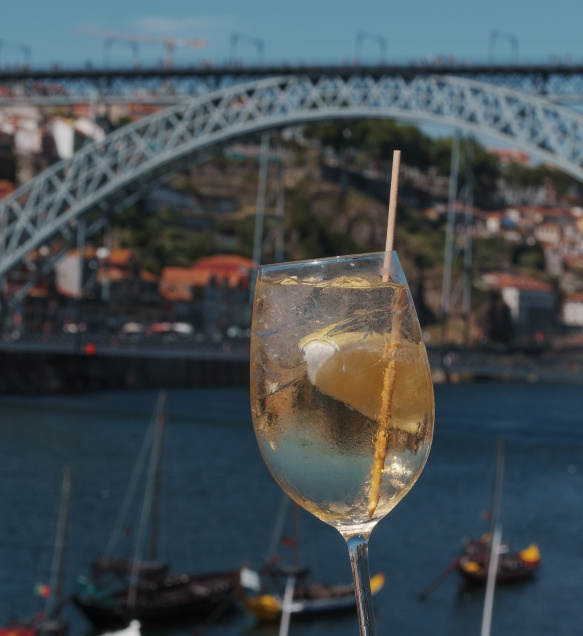
Worth trying: Portonic
One of the most refreshing ways to discover Port wine is through a Portonic, a cocktail made with dry White Port and tonic water.
It is particularly enjoyable as an aperitif and shows that Port wine doesn't have to be reserved for the end of a meal. The IVDP itself includes Portonic among its recommended serving suggestions for dry White Port.
How to recognise genuine Port wine?
The Port wine designation is protected.
On a certified bottle, you should find the Port Designation of Origin and the IVDP Guarantee Seal, which certifies the wine's origin, authenticity and quality.
If you would like to buy a bottle during your trip, the shops at Port wine cellars, wine estates and the IVDP itself are also good places to seek expert advice and choose a style that suits the occasion.
Useful information for visiting Port wine cellars and wine estates
More than just a wine: a way to explore the region
Discovering Port wine means following a story that begins on the slopes of the Douro Valley, follows the river and reaches the historic wine cellars of Vila Nova de Gaia.
You can experience it in an afternoon, crossing the bridge to visit a Port wine cellar. You can spend an entire day enjoying tastings, museums and the banks of the Douro. Or you can make Port wine the theme of a longer journey, travelling to the wine estates, exploring the vineyards and experiencing the grape harvest.
Whichever you choose, Port wine offers a deeper understanding of the landscapes, people, gastronomy and history of Porto and Northern Portugal.